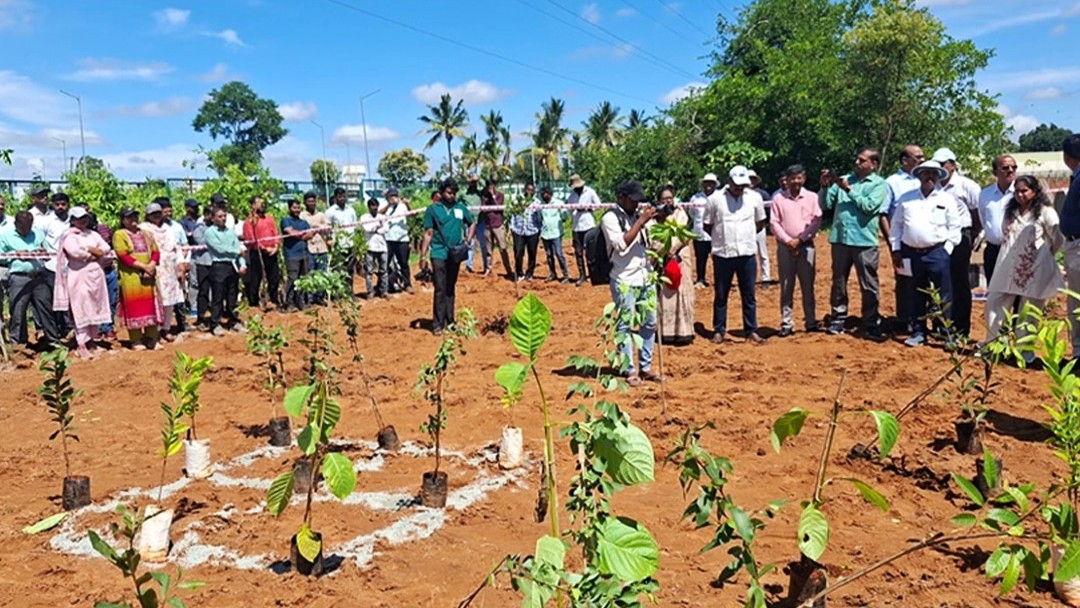
Bengaluru’s eastern civic administration plans to plant 8,300 saplings across Mahadevapura and KR Puram, adding a new layer to the city’s efforts to strengthen neighbourhood greenery. The initiative covers roadsides, parks and other public spaces, but its long-term value will depend less on planting numbers and more on whether young trees survive, mature and remain compatible with existing urban infrastructure.
The planting programme is expected to cover multiple locations in the eastern part of the city, where rapid construction and rising traffic have increased pressure on public open spaces. Mahadevapura and KR Puram contain dense residential and commercial development, major employment districts and busy transport corridors, making accessible green areas increasingly important for everyday liveability. For residents, a healthy urban tree canopy can provide benefits beyond appearance. Mature trees offer shade, reduce surface temperatures, help intercept rainfall and can improve pedestrian comfort along streets. In areas experiencing intense development, these functions can support climate resilience while also making short walking trips more practical. However, planting large numbers of saplings does not automatically translate into a larger urban forest. Survival rates can fall when young trees lack adequate watering, suitable soil volume or protection from construction activity and vehicle movement. Experts in urban ecology have increasingly stressed the importance of species selection, maintenance and monitoring alongside plantation targets. The choice of planting locations will also matter.
Trees placed beneath utility lines, close to drainage infrastructure or in narrow footpaths can eventually create conflicts between greenery and essential urban services. A better approach is to match species and planting pits to the available space while protecting pedestrian movement and underground infrastructure. The programme also presents an opportunity to improve the quality of public spaces. Instead of treating plantation as a standalone activity, integrating trees with parks, walking routes, stormwater corridors and neighbourhood streets could produce a more connected green network. Such planning can distribute environmental benefits more evenly rather than concentrating greenery in a few larger parks. Mahadevapura and KR Puram are particularly relevant to this approach because they combine high-density development with substantial commuter movement. Better shade along pedestrian routes and around public facilities could improve comfort for workers, students, older residents and other people who rely on walking and public transport. The next test will be maintenance. Regular watering during establishment, replacement of failed saplings, protection from damage and public monitoring will determine whether the 8,300-tree target becomes a durable climate asset.
For Bengaluru, the programme offers a useful reminder that urban greening is measured in surviving canopy, not planting-day numbers. If the eastern zone can pair plantation with long-term stewardship and careful street design, the initiative could contribute meaningfully to a cooler, healthier and more resilient city.