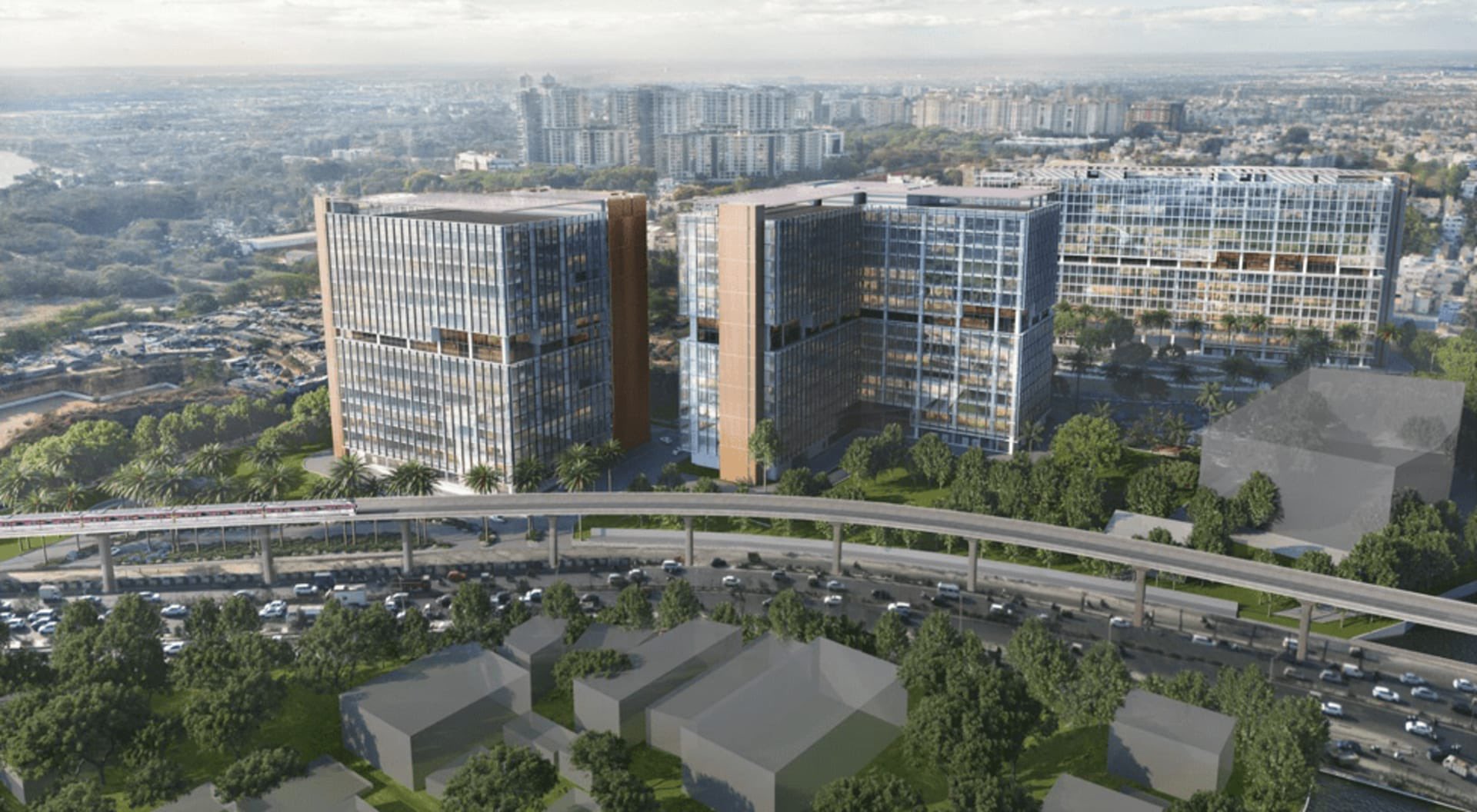
Bengaluru Adds 2.5 Million Square Feet Development
Bengaluru’s real estate pipeline is set to expand with around 2.5 million square feet of planned residential and commercial development, adding to construction activity across the city’s growing urban footprint. The projects point to continued investor interest in Bengaluru, but the scale of new construction also raises questions about infrastructure capacity, land use and whether new supply can be integrated sustainably with surrounding neighbourhoods.
The planned development comprises housing and commercial space, with projects expected to be taken up across Bengaluru. The expansion comes as the city continues to attract residents and businesses, sustaining demand for both homes and employment-oriented real estate. Residential construction remains closely linked to Bengaluru’s employment geography. New housing is increasingly being developed along corridors where technology, business and industrial activity are expanding. While this can reduce the distance between homes and workplaces in some locations, poorly coordinated growth can also increase pressure on roads, public transport, water supply and sewage networks. The additional commercial space has similar implications. Office and business developments can strengthen local employment opportunities and support surrounding retail and service economies. But commercial projects need adequate transport capacity and utility infrastructure to avoid transferring their costs to existing communities. For developers, the timing reflects a market where demand for organised housing and commercial premises remains significant. For the city, however, the more important measure is whether construction is accompanied by adequate civic infrastructure.
The Bengaluru real estate development pipeline also comes at a time when the city is dealing with approval delays and administrative changes. Predictable planning approvals are necessary for legitimate development, but regulatory scrutiny remains important to ensure projects comply with land-use, environmental, water and infrastructure requirements. Urban planners say large developments should be assessed as part of their surrounding urban systems rather than as isolated properties. Questions around stormwater drainage, groundwater recharge, tree cover, waste management, road access and public transport need to be considered before additional density is introduced. There is also a sustainability opportunity in the expansion. New projects can incorporate energy-efficient buildings, rainwater management, wastewater treatment, renewable energy and lower-carbon construction practices from the design stage. These measures can reduce operating costs while improving resilience as Bengaluru faces increasing climate and water-related pressures. The proposed Bengaluru real estate development therefore represents both economic activity and an infrastructure test. Construction can create jobs and add much-needed housing and commercial capacity, but poorly integrated growth can intensify existing urban stresses. As the projects move through planning and development stages, coordination with civic infrastructure will be critical.
Bengaluru’s next phase of real estate growth will be strongest when new buildings are supported by reliable transport, water, sanitation and public spaces. The 2.5-million-square-foot pipeline adds to the city’s development momentum. Its longer-term value, however, will depend on whether that growth improves access to housing and employment without placing an unsustainable burden on the urban systems around it.