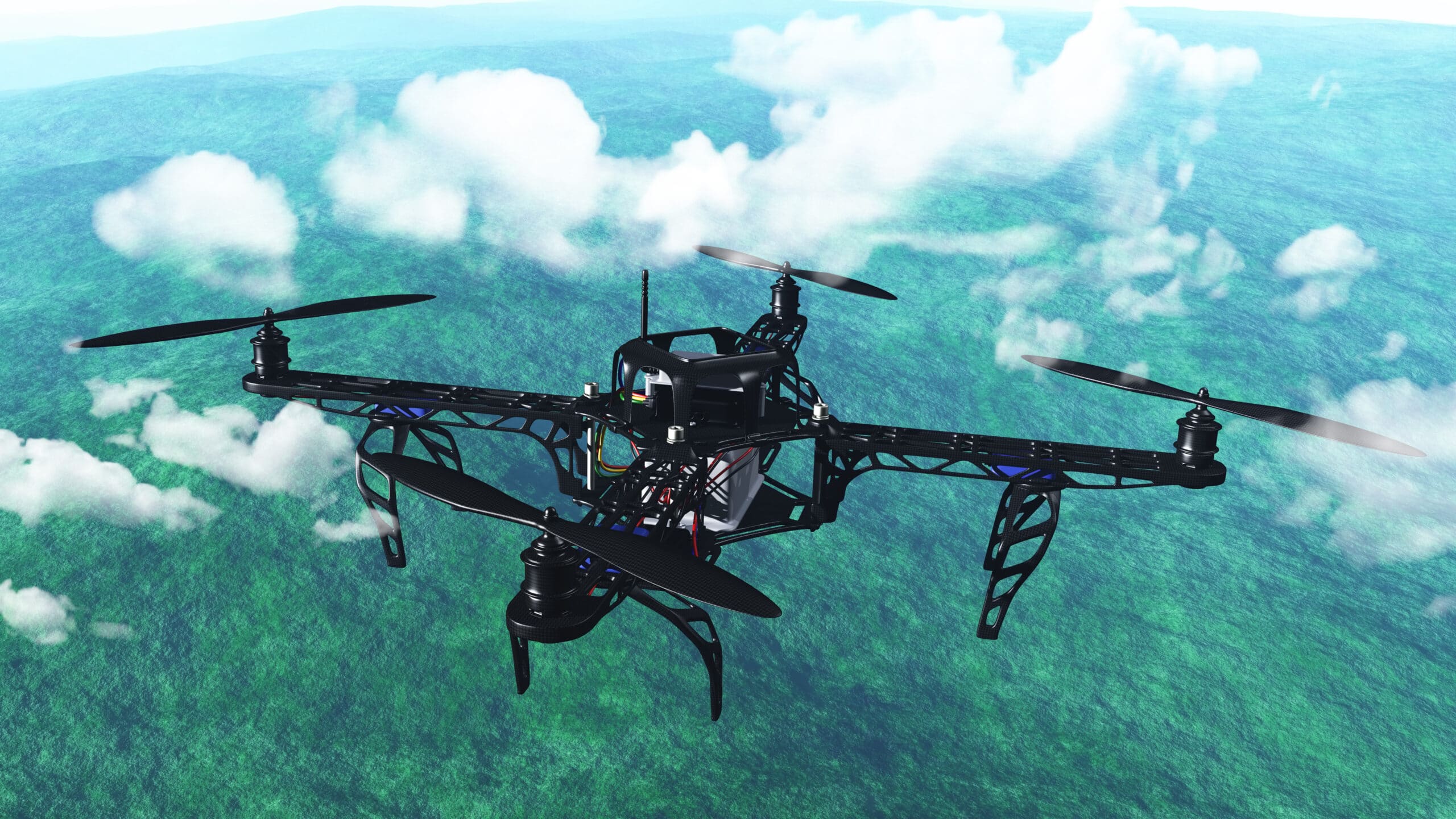
Bengaluru Drone Startup Raises $37 Million In Funding
Bengaluru-based drone startup Airbound has raised $37 million in a Series A funding round, signalling continued investor interest in India’s emerging unmanned aviation sector. The capital is expected to support the company’s expansion and technology development, while the broader funding trend points to growing commercial interest in drones for logistics and other applications.
The funding round was led by Greenoaks, with participation from existing and new investors. The transaction comes as India’s drone ecosystem moves beyond pilot projects towards commercial applications, particularly in areas where conventional transport can be slower or more expensive. Airbound is developing autonomous delivery drones designed to transport goods through the air. Its technology focuses on electric-powered flight and autonomous operations, with potential applications in logistics and time-sensitive deliveries. The investment is significant for Bengaluru’s technology economy because the city has become a major base for startups working across aerospace, robotics, artificial intelligence and advanced manufacturing. The combination of engineering talent, venture capital and established technology infrastructure has helped create an ecosystem capable of supporting companies developing hardware as well as software. However, scaling drone logistics involves challenges beyond technology. Commercial deployment requires regulatory approvals, airspace management, safety systems and reliable operating infrastructure. Drones also need designated systems for take-off, landing, maintenance and package handling if they are to become part of mainstream logistics networks.
The Bengaluru drone startup sector could benefit from this wider ecosystem, but its growth will depend on how effectively urban and aviation authorities manage the interaction between emerging aerial mobility and densely populated areas. There is also a potential sustainability benefit. Electric drones can reduce the need for some conventional delivery trips, particularly for lightweight, high-value or time-sensitive goods. Yet their environmental performance will depend on electricity sources, battery manufacturing, payload efficiency and whether drone deliveries genuinely replace vehicle journeys rather than simply add another layer of logistics. The funding also reflects a broader shift in India’s startup market towards technologies with applications in physical infrastructure and industry. While software businesses can scale relatively quickly, aerospace and hardware companies require significant investment in manufacturing, testing, certification and supply chains. For Bengaluru, this creates opportunities beyond startup valuations. Growth in drone technology can generate demand for engineers, technicians, manufacturing partners and specialised service providers, strengthening the city’s advanced-technology employment base. The next stage will be translating investment into dependable commercial operations.
Regulatory compliance, safety and affordability will determine whether drone delivery can move from controlled demonstrations to routine use. The Bengaluru drone startup ecosystem is therefore entering an important phase.Continued investment can accelerate technological development, but sustainable growth will ultimately depend on integrating aerial logistics safely into India’s existing transport and urban infrastructure systems.