


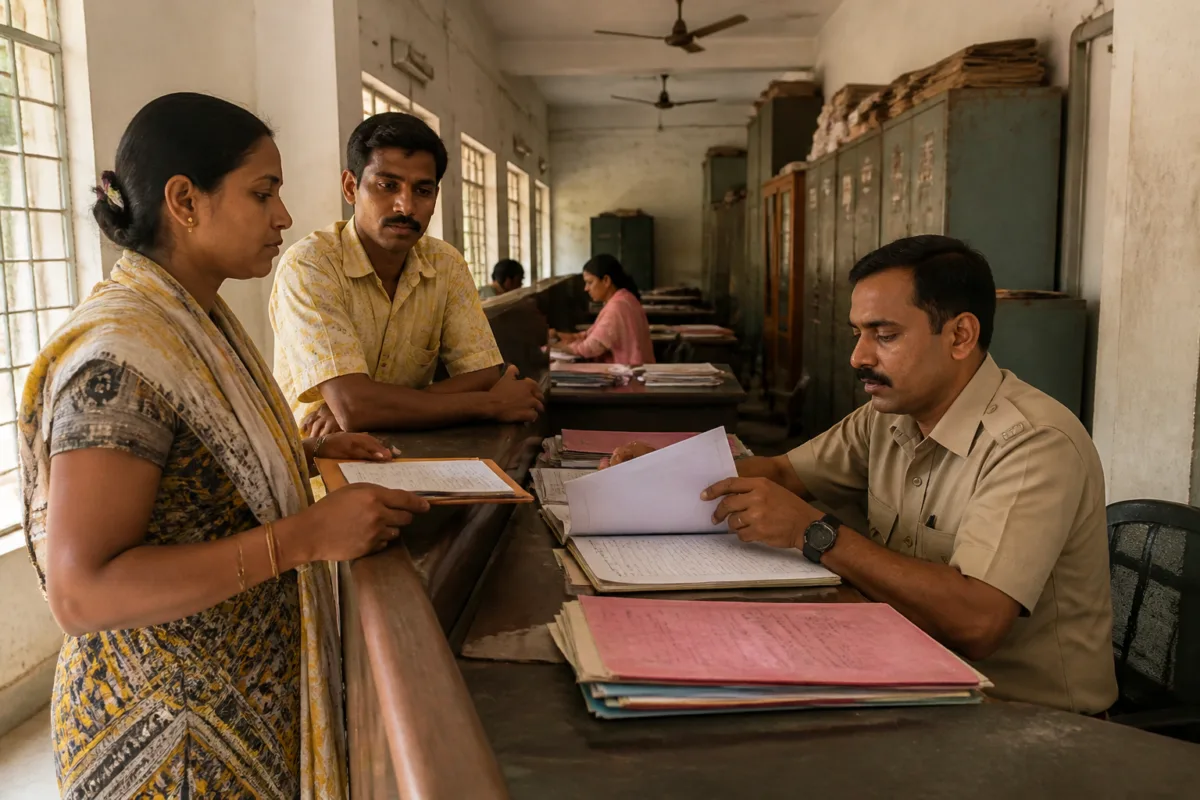
A reported dispute in West Bengal over a newborn’s birth certificate has raised questions about whether electoral-roll verification can affect access to essential civic documentation.
The case involves a two-and-a-half-month-old girl in Cooch Behar district whose father, Abdul Habib, was reportedly told that he could not obtain the certificate because his name had been deleted from the voter list during the Special Intensive Revision (SIR) of electoral rolls, according to reports cited by Telegraph India from The Hindu.
Habib and his wife, Amina Khatun, had their daughter at Dinhata sub-divisional hospital in early September. When the couple approached the hospital and the local panchayat office for the birth certificate, they were reportedly asked to provide residential verification from the panchayat pradhan or the local MLA.
The report said the MLA’s office and the Sahebganj block development officer declined to issue the document, citing doubts about Habib’s citizenship. Habib was reportedly told that his name did not appear in the post-SIR voter list and that he would first have to register under the National Register of Citizens (NRC).
The reported sequence has brought two separate administrative functions into focus: electoral-roll revision and birth registration. A birth certificate is a core civil document used to establish identity and access services, including education, welfare programmes and other public benefits. The account has therefore raised concerns about the consequences of linking birth registration to a parent’s electoral status or citizenship verification.
Kerala former chief minister Pinarayi Vijayan referred to the case in a post on X, accusing the BJP and the Sangh Parivar of pursuing what he described as a “backdoor NRC agenda” through electoral-roll revision. He said the exercise was being used to deny basic rights and called on people to resist what he termed an attack on constitutional rights.
Those claims are political allegations. Opposition parties have argued that the revision could exclude eligible voters, while the BJP has defended it as an exercise to identify discrepancies and remove errors from electoral rolls.
The reported Cooch Behar case has not, in the material available, been accompanied by a published order or an on-record response from the hospital, panchayat authorities, the block development officer or the MLA’s office. That leaves an important factual question unresolved: whether the birth certificate was formally denied, or whether the family was directed to complete an additional verification process before registration.
Regardless, the episode highlights the administrative risks that can arise when access to civil documentation is made contingent on records maintained for a different public purpose. Clear procedures, written reasons for refusal and accessible appeals are essential when residents are asked to resolve discrepancies involving voter registration, citizenship claims and birth records.

