


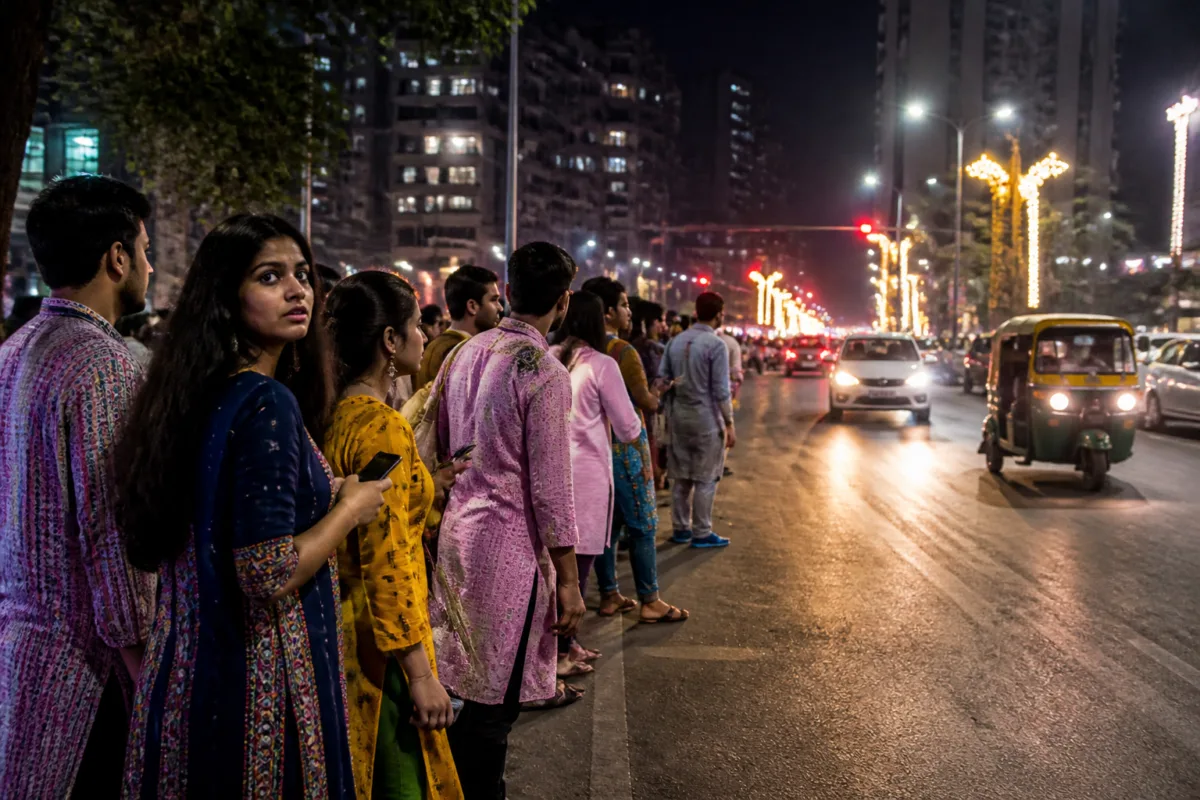
Ahmedabad cab fare hike during Navratri is forcing passengers to pay up to two-and-a-half to three times more for app-based taxis and autorickshaws, with workers, students and garba-goers reporting sharply higher costs during peak night and early-morning hours.
According to a report by Gujarat Samachar – Ahmedabad, journeys that previously cost between Rs 100 and Rs 150 are now being priced at around Rs 200 to Rs 250. The increase has been reported not only on routes connecting residential areas with garba venues, but also for trips within ordinary neighbourhoods.
The reported fare escalation comes after official changes to autorickshaw and taxi fares in August had already increased the cost of urban travel in Ahmedabad. During Navratri, the additional impact of demand-based pricing on online platforms has made short-distance travel more expensive at the times when public transport options and vehicle availability can be limited.
The report said fares in some rides were being calculated at Rs 28 to Rs 32 per kilometre. The highest prices were reported during night-time peak periods and in the early hours, when large numbers of passengers travel after attending garba events or returning from work. The higher charges are affecting office workers and students as well as festival attendees.
The issue also involves ride acceptance and availability, rather than pricing alone. According to the report, drivers in many cases are reluctant to accept bookings unless passengers add a tip. Some drivers are also reported to be unwilling to accept rides at the fare displayed on the platform, leaving passengers with limited options when they need to reach their destination.
This creates a difficult travel situation during a period when Ahmedabad’s streets experience concentrated demand at specific times and locations. Passengers may accept a higher fare because they need to travel late at night, while drivers may have more opportunities to choose bookings during the festival rush. The result, as described in the report, is that the advertised fare does not always translate into a readily available ride.
The reported increase also highlights the dependence of festival travel on app-based mobility for short and medium-distance journeys. For passengers travelling in groups, even a Rs 100 increase on a single trip can substantially raise the cost of attending events. For students and workers making repeated journeys, the financial impact can accumulate over several days of Navratri.
The report did not cite a response from the cab or autorickshaw platforms, transport authorities or the Ahmedabad civic administration on the reported fare increases, driver refusals or tip-linked ride acceptance. It also did not establish whether the fares were uniform across platforms or routes. Further clarification from the platforms and relevant authorities would be needed to determine how the charges were calculated and what consumer protections apply during the festival period.

