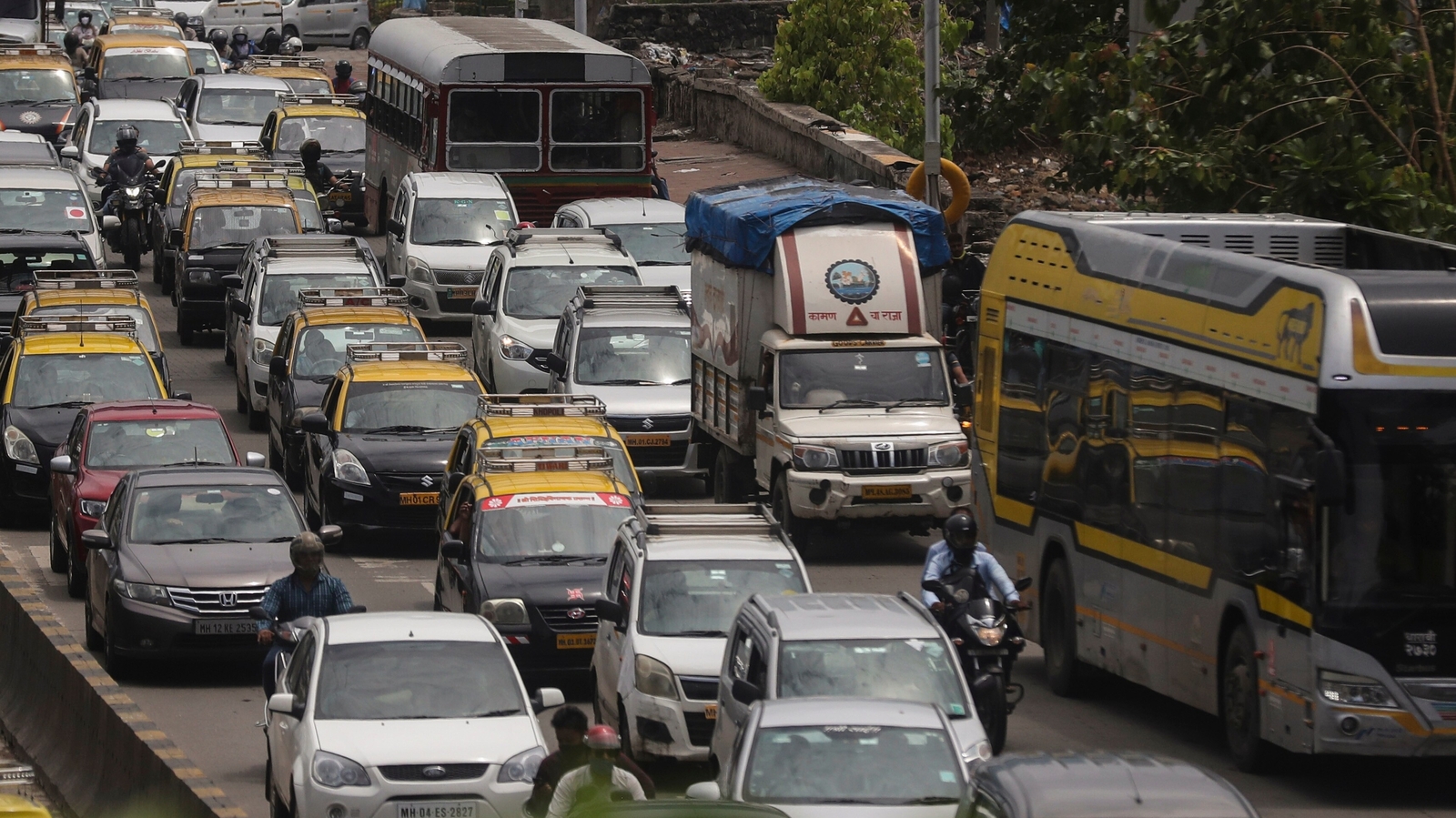
Mumbai’s long-running struggle with traffic congestion and deteriorating air quality may soon enter a new policy phase, with civic authorities evaluating the introduction of congestion pricing in the city’s busiest commercial districts. The proposal, currently under discussion within municipal circles, would require private cars carrying only the driver to pay a fee during peak commuting hours when entering high-density zones in South Mumbai.
The idea centres on managing demand rather than expanding road capacity, a shift that urban transport planners have increasingly advocated for megacities with limited street space. Central business areas such as Fort, Nariman Point and Colaba witness intense traffic pressure during office hours, often resulting in prolonged travel times, elevated emissions and reduced productivity. Officials say the proposed congestion charge is intended to discourage avoidable private car trips during these periods. Under the framework being examined, single-occupant vehicles entering notified zones during morning and evening peaks could be charged between ₹50 and ₹100 per entry. The mechanism would rely on digital enforcement, using a combination of FASTag integration, camera-based surveillance and automatic number plate recognition systems already deployed across major arterial roads. Civic administrators familiar with the proposal say this would minimise manual intervention and ensure consistent compliance.
Urban economists note that congestion pricing has been successfully deployed in global financial centres to optimise road usage and fund sustainable mobility. In Mumbai’s context, the measure could generate significant annual revenue, which municipal planners indicate would be ring-fenced for air quality improvement, public transport upgrades and pedestrian infrastructure. The city continues to add hundreds of new vehicles to its roads every day, intensifying pressure on an already saturated network. Transport experts argue that building flyovers and widening roads alone cannot keep pace with rising car ownership. Instead, pricing road space during peak demand is seen as a tool to nudge commuters towards shared mobility, buses and rail-based transit. Mumbai’s suburban railway and metro systems, while heavily used, still have scope for service and last-mile improvements, which congestion-linked revenues could support.
The proposal has also revived earlier policy conversations within the Mumbai Metropolitan Region, where congestion fees were previously explored for business hubs such as Bandra-Kurla Complex. While those plans did not progress beyond the discussion stage, officials say worsening congestion and climate concerns have renewed interest in demand-management strategies. However, urban planners caution that congestion pricing must be implemented carefully to avoid inequitable outcomes. Exemptions, differential pricing and clear communication will be critical to ensure that essential workers and low-income commuters are not disproportionately affected. Integration with reliable public transport alternatives is equally important to make behavioural shifts feasible.
The proposal is still at a preliminary stage and would require approvals from multiple civic and state-level bodies before implementation. If adopted, it could mark a significant shift in how Mumbai values road space—moving from unrestricted access towards a more managed, climate-conscious approach that prioritises efficiency, air quality and the long-term liveability of the city.
Mumbai Weighs Peak Hour Charges For Private Cars