Kolkata Sees Expansion Of Affordable Home Automation
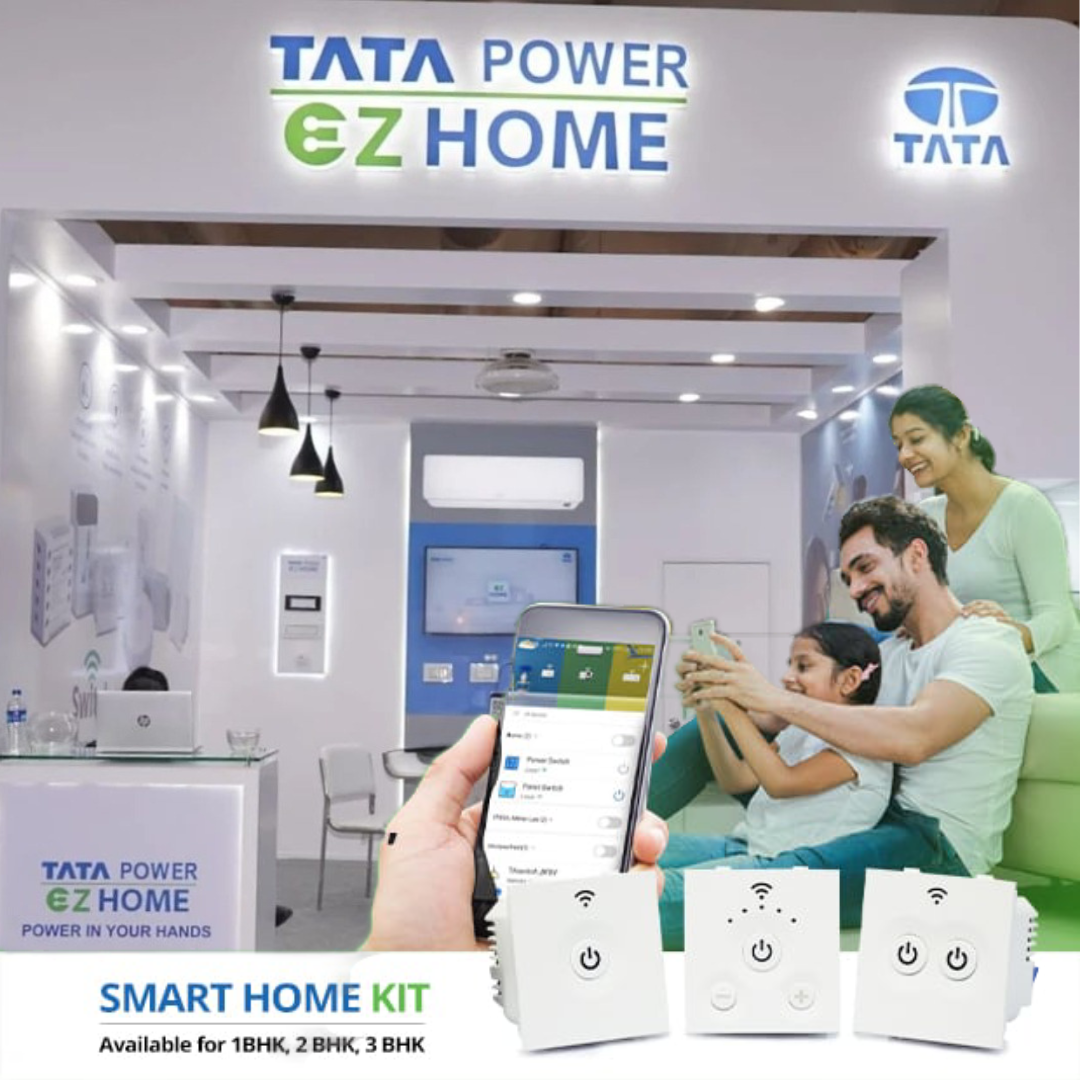
Tata Power has launched its EZ Home automation solutions in Kolkata, signalling a broader shift in how Indian households manage energy use, safety and convenience. The new offerings, part of the company’s nationwide “100 Cities, 1 Purpose” campaign, enable app-enabled control of lights, appliances and safety features without major electrical changes, emphasising energy efficiency and resilient living in one of India’s largest urban residential markets.
The suite of connected devices — including smart sockets, motion sensors, touch switches and retrofit converters — is designed for straightforward installation in both new and existing homes. A focus on usability means households can manage appliances remotely, schedule operations and track energy consumption through mobile devices, aligning everyday living with smarter energy usage goals. In practical terms, the solutions aim to reduce electricity wastage and lower bills by automating routine actions like turning off lights or appliances outside peak use times. The smart converters, which can control up to three devices via a single unit, are positioned as entry-level tech that continues to function even with limited or no internet connectivity — an important consideration for broad urban and peri-urban adoption.
For a city like Kolkata, where residential density, historical building stock and diverse energy needs intersect, affordable smart home technologies can bridge gaps between traditional electrification and emerging digitised lifestyles. Urban tech analysts say such solutions can support energy efficiency at the household level while also feeding into larger sustainability goals, such as reduced peak load on city grids and lower carbon footprints. Tata Power is pursuing mass adoption beyond metro markets. According to company sources, the home automation portfolio — now offered in nine cities and expanding — targets up to one crore households nationwide within three years. This expansion mirrors rising aspirations among Indian households for connected living that balances convenience, safety and affordability.
Safety is a key selling point. Built-in overload protection and scheduling options help prevent appliance damage while enhancing household security. Devices are designed to integrate seamlessly into existing wiring without structural modifications, making them accessible for a wide range of housing types across urban and semi-urban settlements. Urban planners note that such frictionless smart technologies could play a role in energy demand management strategies for cities — particularly as municipal planners grapple with peak load challenges and seek to decarbonise urban infrastructures. Increasing household control over energy use contributes to broader grid resilience while empowering residents with tools to monitor and moderate consumption.
However, experts caution that realising the full potential of home automation depends on continued innovation in interoperability, local after-sales support and digital literacy among users. Adoption at scale will also require integration with other smart urban systems — from microgrids to residential planning frameworks — to enhance overall energy sustainability. With the rollout in Kolkata underway, the coming months will test how effectively EZ Home solutions can mesh with everyday living and contribute to more energy-efficient, secure and resilient urban homes across India.