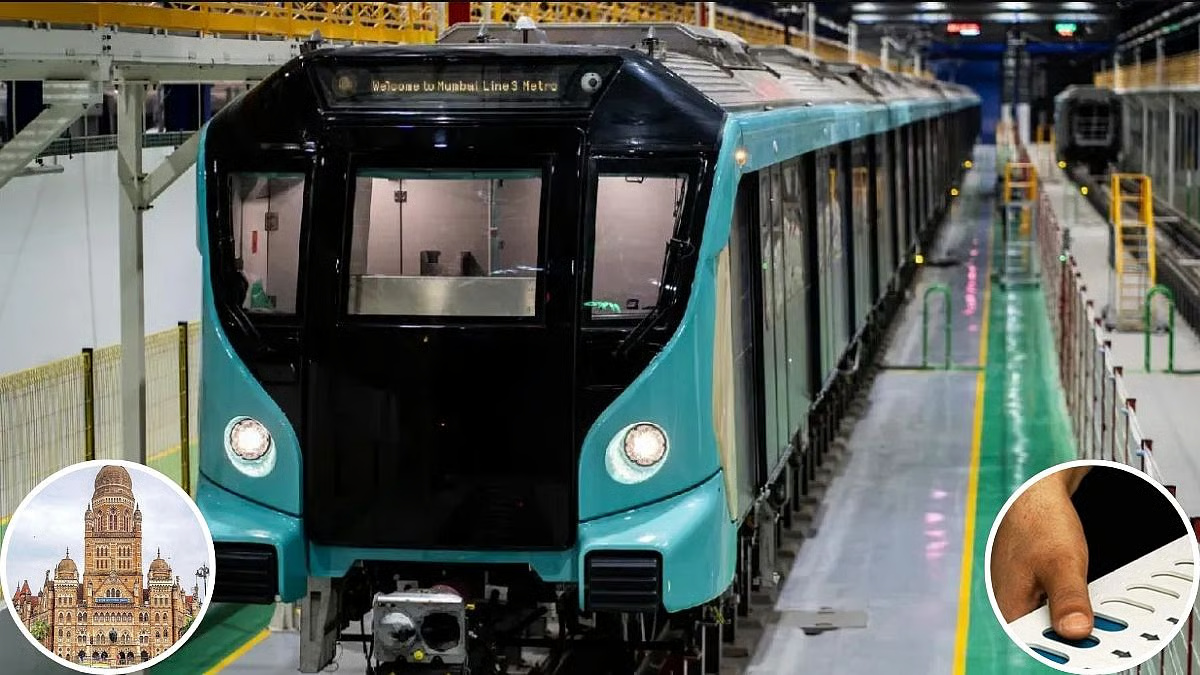
Mumbai’s underground Aqua Line metro will run longer hours on January 15 as the city heads into a crucial civic election, underscoring how public transport has become central to the functioning of large-scale democratic exercises. The extended operations are aimed at ensuring seamless movement for polling personnel, essential workers, and voters across the city during the Brihanmumbai Municipal Corporation elections.
According to officials overseeing metro operations, services on the Colaba–Bandra–Seepz corridor will begin earlier than usual and continue until midnight from both terminal ends. Trains will operate from 5:00 am to 12:00 midnight at Aarey JVLR and Cuffe Parade, with the final departures scheduled at midnight from both stations. Additional services have also been slotted into the timetable to manage higher-than-normal passenger volumes on polling day. The decision reflects a growing recognition of mass transit as critical civic infrastructure, not just a mobility service. With voting spread across 227 municipal wards, election authorities rely heavily on reliable, high-capacity transport to move thousands of polling staff, security personnel, and civic workers within tight timelines. Urban planners note that extended metro operations reduce dependence on private vehicles, helping limit congestion and emissions on a day when road demand typically spikes.
The Mumbai Metro election schedule adjustment comes as the city prepares for one of the most closely watched local elections in the country. Polling will take place on January 15, followed by vote counting the next day. To encourage participation, civic authorities have declared a public holiday across municipal areas, a move expected to further increase daytime travel demand, particularly during early morning and late evening hours. Industry experts point out that the Aqua Line’s underground alignment gives it a unique advantage during high-security events. Unlike surface transport, it is less vulnerable to traffic disruptions, road closures, or weather-related delays. This reliability, they say, strengthens the case for expanding metro networks as part of long-term urban resilience planning, especially in megacities with dense populations and complex governance needs.
From a broader urban development perspective, the extended metro timetable highlights how transport planning intersects with governance, inclusion, and accessibility. Gender-neutral, safe, and predictable public transport options play a role in enabling voter participation across income groups, particularly for women and elderly citizens who may otherwise face mobility barriers. As Mumbai continues to scale up its metro network, authorities are increasingly using operational flexibility to respond to civic requirements rather than treating transit as a fixed utility. Observers say the success of the Mumbai Metro election schedule on polling day could inform similar arrangements for future citywide events, reinforcing the metro’s role as a backbone of sustainable, people-first urban infrastructure.
Mumbai Metro Services Extended For Civic Poll Day