


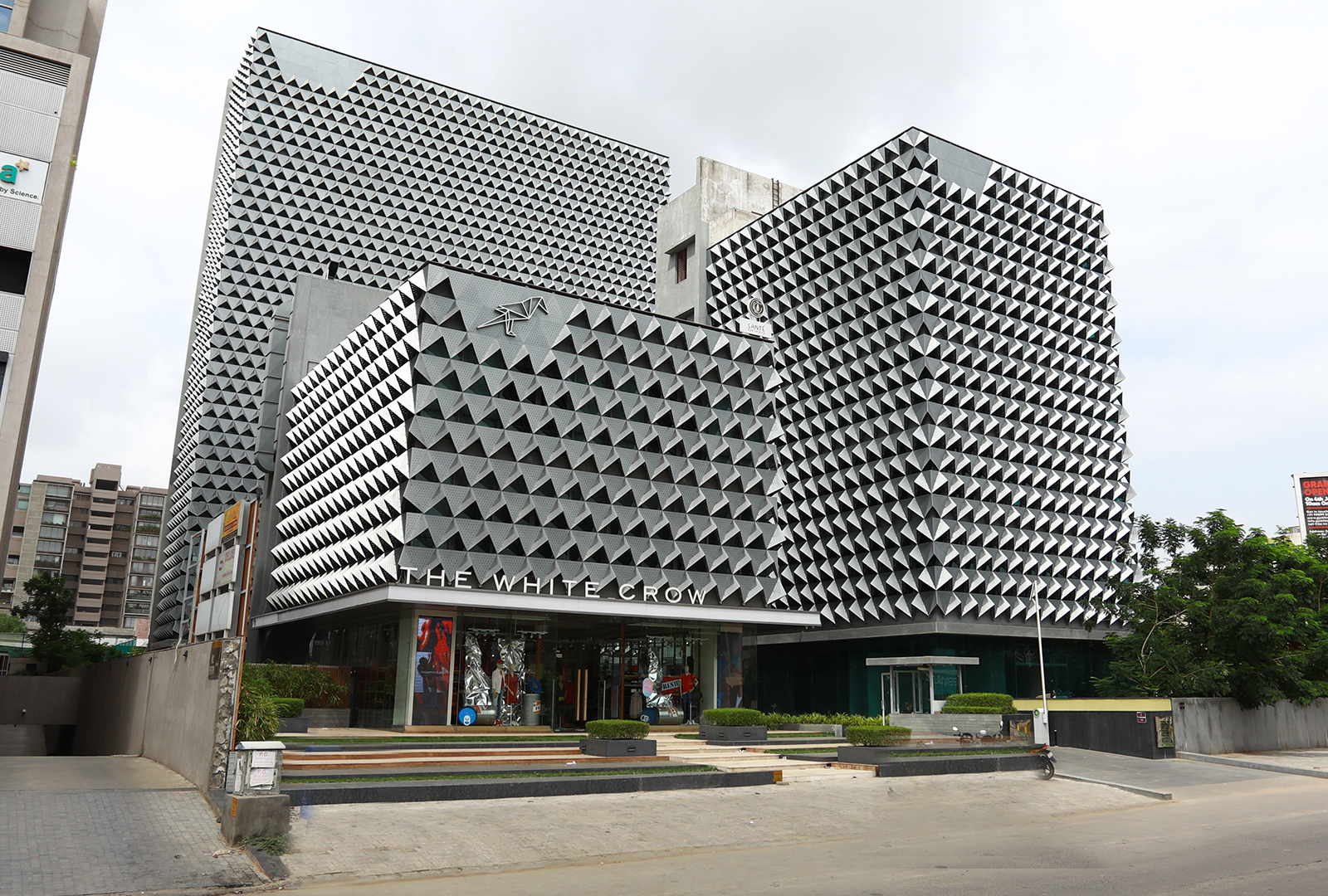
Ahmedabad’s urban landscape is undergoing a dramatic transformation with the emergence of Gujarat’s tallest building, a mixed-use tower reaching 161.2 metres along S.G. Highway. Developed by a long-standing real estate firm with four decades of local experience, the project is not only reshaping the city skyline but also exemplifying the growing trend toward vertical, integrated urban development in major Indian cities. Analysts suggest such projects reflect both rising land constraints and a shift toward high-density, multi-functional urban cores.
The developer behind this landmark project traces its roots to a family business that initially focused on textiles. Over time, the group leveraged entrepreneurial expertise and structural engineering knowledge to transition into real estate, starting with small-scale bungalows and apartment projects in Ahmedabad. This evolution underscores the broader pattern in Indian cities where family-run enterprises have successfully adapted to the expanding demand for residential and commercial real estate. Industry experts highlight that the S.G. Highway corridor has become a prime node for mixed-use and high-rise development due to enhanced connectivity, proximity to commercial hubs, and increasing population density. The decision to construct Gujarat’s tallest tower in this location aligns with strategic urban planning trends that prioritise integrated developments combining residential, retail, and commercial spaces within walkable precincts. The tower also reflects the sector’s growing attention to sustainability and people-centred design. While detailed environmental credentials are yet to be disclosed, observers note that contemporary high-rise projects increasingly incorporate energy-efficient systems, water conservation measures, and smart building technologies. These interventions contribute to climate-resilient urban forms while enhancing long-term operational efficiency and livability.
Ahmedabad’s real estate planners point out that high-rise projects like this one offer opportunities to optimise land use in rapidly densifying cities. Vertical expansion mitigates sprawl, allowing essential services, public transport, and green spaces to be integrated more effectively within urban grids. Additionally, mixed-use designs can reduce commuting times, encourage community interaction, and support equitable urban growth by providing diverse housing and commercial options. From an economic perspective, landmark towers often act as catalysts for surrounding infrastructure investment. Roads, public transport connectivity, and utilities in adjacent areas tend to be upgraded to support higher densities, generating positive spillovers for local businesses and municipal revenue streams. Investors also see such developments as attractive long-term assets due to their prominent locations, integrated amenities, and potential for high occupancy rates.
Ahmedabad’s new tower marks a milestone in the city’s vertical urban expansion, signalling a shift toward modern mixed-use developments that balance density, sustainability, and economic utility. Urban planners emphasise that ongoing monitoring of infrastructure capacity, transportation, and environmental impact will be critical to ensure that such high-rise projects contribute to a resilient and inclusive cityscape.
Also Read: Indian CRE Market Expands Across Offices Retail Logistics
Navratna Group Constructs Landmark High Rise Ahmedabad
