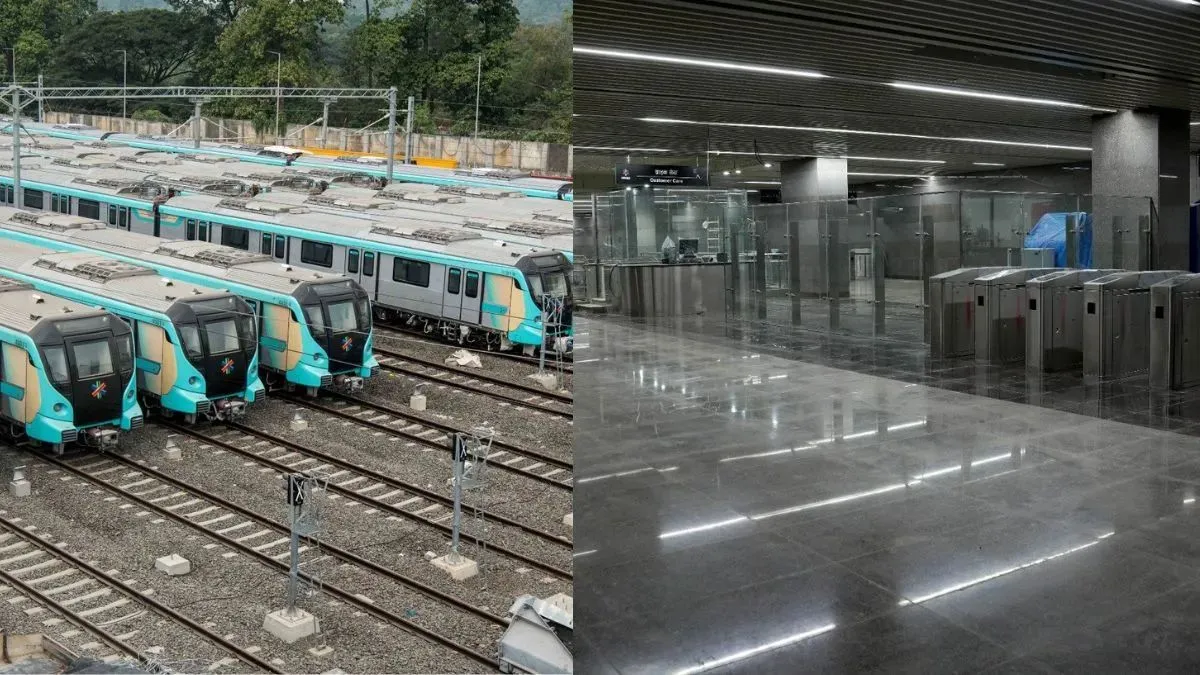
Mumbai is set to expand pedestrian access around the newly inaugurated Aqua Line of Metro Line 3, with plans to construct two dedicated subways linking major cultural, commercial and upcoming transport hubs. The initiative, led by the Mumbai Metro Rail Corporation Ltd (MMRCL), aims to support safer, low-carbon last-mile mobility and strengthen non-motorised connectivity across dense urban corridors.
According to officials, the proposed subways will together extend over three kilometres and offer direct access to neighbourhoods currently dependent on road-based travel. One of the subways will link the Worli Science Centre station to the Mahalaxmi Racecourse, the Worli Promenade and the Nehru Planetarium. This 1.6-kilometre connector is expected to serve large numbers of daily visitors, walkers and public transport users, while also offering a barrier-free route to the upcoming public garden planned along the Coastal Road and the commercial district proposed on the Worli Dairy plot. The second subway, measuring around 1.4 kilometres, will connect the Bandra Kurla Complex (BKC) station to the forthcoming Bullet Train terminal and surrounding commercial blocks. Officials noted that the integration of Metro Line 3 with the high-speed rail network is likely to generate substantial commuter movement, making seamless pedestrian corridors essential to reduce pressure on roads and private automobiles.
MMRCL representatives said an agency will soon be appointed to prepare a detailed project report for both subways. The Mumbai Metropolitan Region Development Authority (MMRDA), now designated as the planning authority for the Worli Dairy depot, is expected to coordinate planning permissions and land-use adjustments. The state’s urban development department will amend the Development Control and Promotional Regulations to convert the Worli Dairy land reservation to commercial use, enabling future transit-linked development around the Metro. Urban planners highlight that well-designed pedestrian infrastructure can significantly improve public transport adoption, particularly on premium corridors such as the Aqua Line. They added that continuous, shaded, well-lit walkways play a critical role in creating inclusive cities where people of all ages and abilities can move independently and safely.
Industry experts noted that the subways also align with Mumbai’s broader push toward sustainable mobility, as they encourage a shift away from short-haul vehicular trips. Reduced road congestion, improved air quality and safer pedestrian environments are among the long-term benefits anticipated. As the city prepares for the full rollout of Metro Line 3 and high-speed rail services, mobility specialists believe the latest proposal underscores a growing recognition that infrastructure development must integrate transport, land use and pedestrian safety. If executed with universal design standards, the subways could become early examples of equitable, climate-friendly mobility planning in Mumbai’s dense urban core.
Mumbai Metro Aqua Line To Offer Direct Subway Access To Racecourse And Bullet Train Terminal