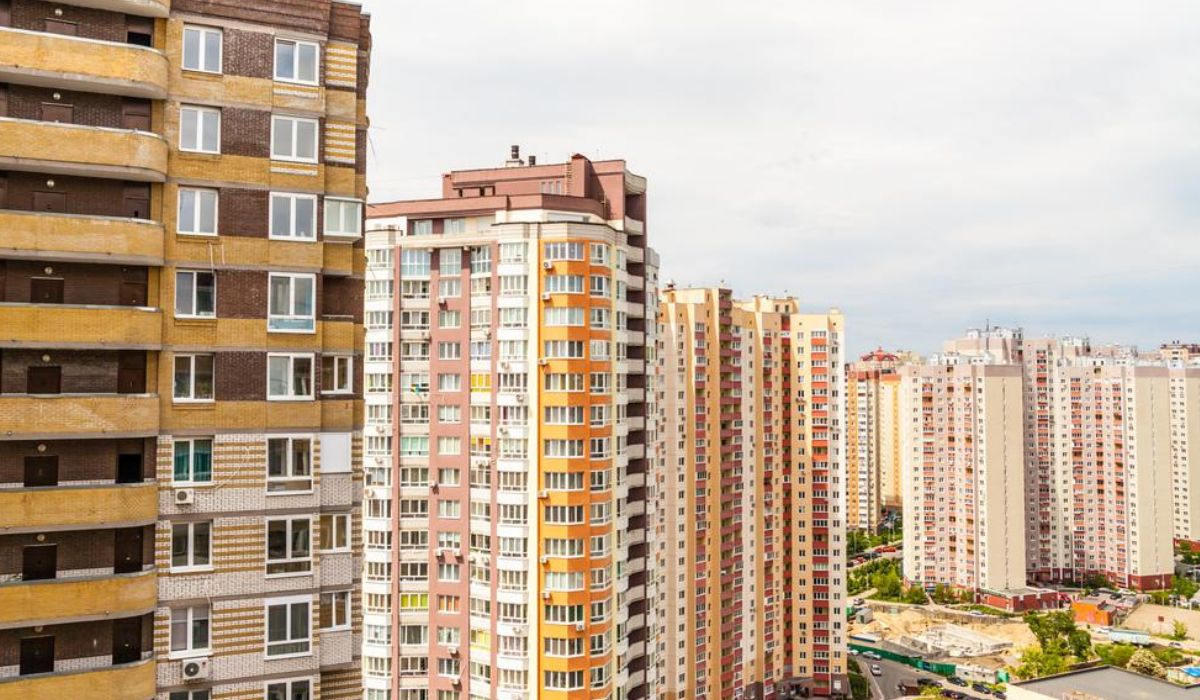
Odisha has successfully constructed 1.36 lakh houses for the urban poor under the Pradhan Mantri Awas Yojana-Urban (PMAY-U) scheme across 115 urban local bodies since its launch in 2015. According to data from the Odisha Urban Housing Mission (OUHM), the state has achieved 73 percent of its sanctioned target, underscoring significant progress in addressing housing needs for vulnerable urban populations. The data, intended for the Odisha Economic Survey Report 2025-26, highlights the scheme’s contribution to affordable and sustainable housing.
The total sanctioned houses under PMAY-U in Odisha stand at 1.84 lakh, with 1.62 lakh grounded and 1.36 lakh completed. The majority of these homes—1.31 lakh—were built under the beneficiary-led construction component, which empowers recipients with financial assistance to build or upgrade their own homes. Meanwhile, 3,650 houses were completed under the affordable housing project component, and 1,520 units under the in-situ slum redevelopment programme, reflecting a comprehensive approach to urban housing challenges. Financial support for beneficiary-led construction includes a grant of Rs 2 lakh, enabling the building of durable, all-weather pucca homes ranging between 21 and 30 square metres. These houses come equipped with essential amenities such as water supply, sanitation, electricity, and toilets. To incentivise timely delivery, the government has disbursed Rs 39.55 crore in early completion bonuses, alongside a total of Rs 2,976.70 crore invested in the beneficiary-led segment alone.
The affordable housing scheme adopts a transparent beneficiary identification process based on income criteria, requiring recipients to contribute Rs 1.5 lakh each towards the cost, with the government covering the balance. The in-situ slum redevelopment initiative focuses on relocating slum dwellers temporarily while constructing permanent homes, thus fostering urban renewal and better living conditions. Urban development officials emphasise that PMAY-U is transformative for the urban poor, particularly those living in informal settlements deprived of basic infrastructure. The scheme not only provides secure housing but also contributes to creating sustainable, gender-neutral, and equitable urban environments by integrating essential services into housing projects.
While Odisha’s achievements under PMAY-U mark considerable advancement, experts stress the importance of continuing efforts to maintain momentum, improve resource utilisation, and prioritise environmentally sustainable construction methods. This commitment will be vital to align housing growth with broader goals of net-zero carbon urban development and inclusive city planning. In sum, Odisha’s decade-long progress under PMAY-U exemplifies a model of affordable housing delivery that balances social equity with sustainability, crucial for India’s evolving urban landscape.
PMAY-U Enables Construction Of 1.36 Lakh Urban Houses In Odisha