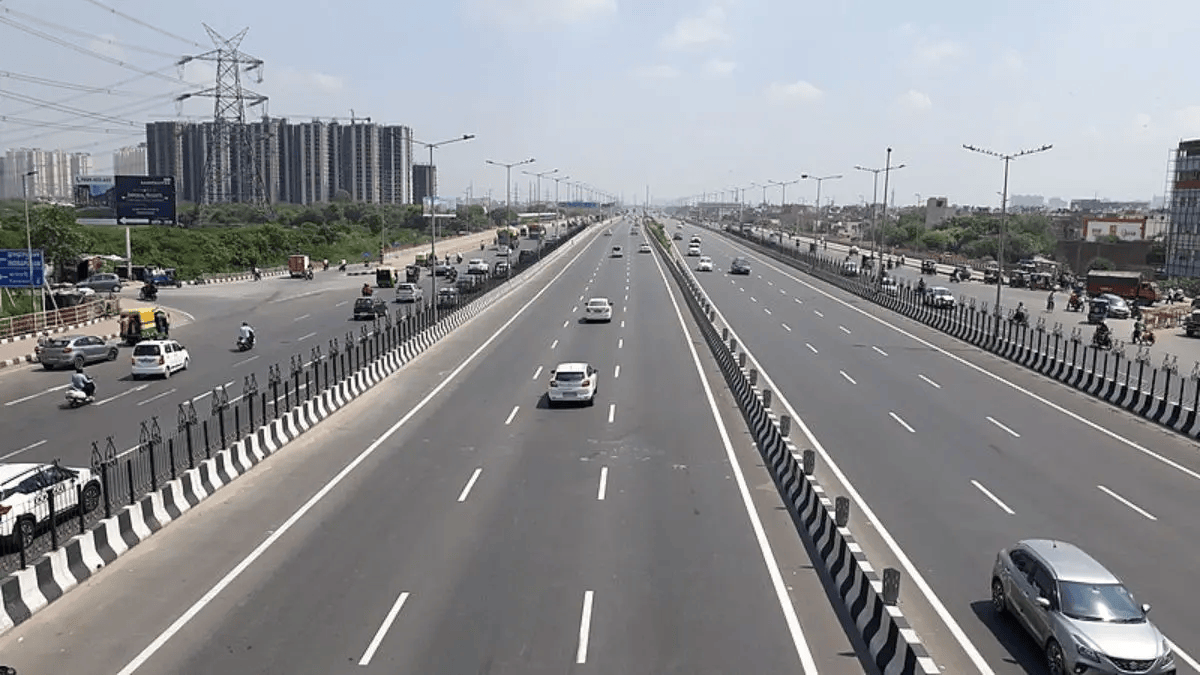
Noida Launches Road Improvement Drive To Reduce Traffic And Cut Pollution
The Noida Authority has embarked on a comprehensive road improvement drive under the National Clean Air Programme (NCAP). With a new allocation of funds dedicated to traffic decongestion, the city is set to undertake a detailed survey to pinpoint and resolve critical bottlenecks on its busiest routes. This targeted approach represents a significant step towards creating a more sustainable and efficient urban environment, directly addressing vehicular emissions—a major contributor to the city’s air quality challenges.
The initiative is more than a simple road repair programme; it is a critical component of a wider mandate to enhance urban liveability and public health. The National Clean Air Programme, in its long-term vision, aims to drastically reduce particulate matter concentrations in polluted urban centres. By focusing on traffic engineering, the city authority is tackling a root cause of pollution. Idling vehicles trapped in jams not only waste fuel and commuter time but also emit a disproportionate amount of harmful pollutants. The current project seeks to eliminate these inefficiencies by redesigning traffic choke points, reconfiguring junctions, and optimizing traffic signals to ensure a smoother, faster flow of vehicles.
An in-depth study is now underway by a consultant firm to identify the specific problem areas. This data-driven approach will inform a series of technical corrections. Known congestion hotspots, such as the Film City Loop, the stretch from the Delhi-Noida-Direct (DND) flyway, and various poorly designed U-turns, are expected to be key targets. The plan includes measures to allow smoother left turns and the removal of unnecessary U-turns that currently create bottlenecks and increase accident risks. This focus on intelligent, data-led urban design promises to improve the commuter experience for all residents, regardless of their mode of transport.
This latest fund allocation is part of a larger financial commitment to Noida under the NCAP, which is expected to total nearly ₹300 crore over its tenure. Previous tranches of funding have been utilised for other pollution control measures, but this tranche’s specific focus on traffic management underscores the city’s recognition of the critical link between transport efficiency and environmental health. The project is an example of a holistic approach to city planning that integrates environmental goals with infrastructure development, thereby serving the larger societal interest.
By prioritising technical solutions to streamline traffic, the city is not only striving for a zero net carbon footprint but also actively building a more equitable and accessible urban landscape. Jam-free roads mean more reliable commute times and reduced stress for all citizens, particularly women and the elderly who often face greater challenges in navigating congested public spaces. The successful implementation of this initiative will be a model for other Indian cities struggling with similar issues, demonstrating that thoughtful infrastructure can be a powerful tool for a sustainable and healthier future.