


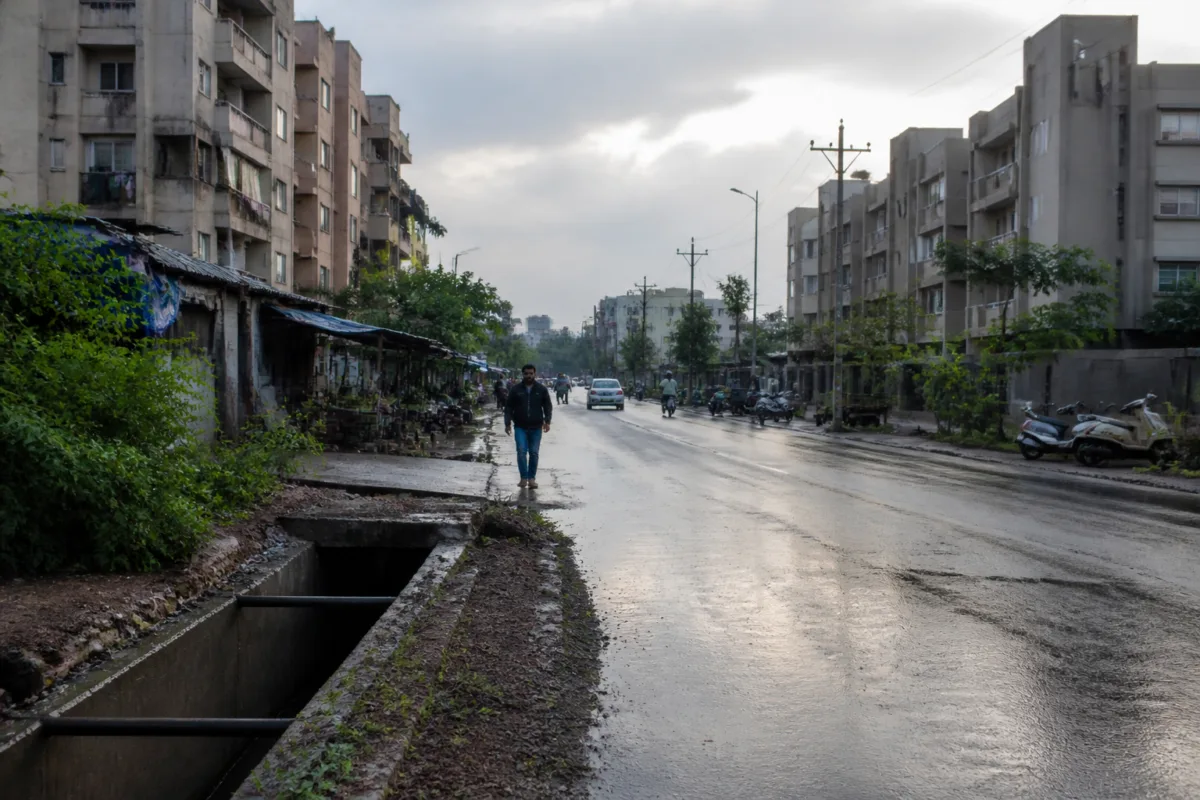
Ahmedabad Municipal Corporation has received 2,007 suggestions from residents for its 2027-28 budget, with roads, drainage and stormwater disposal emerging as the most frequently raised concerns, according to a report by Gujarat Samachar.
The suggestions were collected ahead of the annual budget, which is scheduled to be presented in February 2027. Of the total submissions, 536 related to improving roads, sewerage and stormwater disposal. A further 159 suggestions concerned the civic body’s lighting department.
The figures indicate that residents placed greater emphasis on everyday civic services than on discretionary facilities. Of the 2,007 submissions, 1,074 related to primary and mandatory services, while 933 concerned discretionary services, the report said.
The civic body had invited residents to submit suggestions on local requirements, development works and public amenities by 30 October 2026. Of the submissions received, 495 were sent by email. The remaining submissions were received through other channels, although the report did not specify the channel-wise distribution.
The South-West zone recorded the highest number of suggestions at 713. It was followed by the South zone with 419, the East zone with 283, the Central zone with 72, the North zone with 40, the North-West zone with 36 and the West zone with 20 submissions.
The concentration of suggestions from the South-West zone is notable because areas including Bopal, Sarkhej, Shela and Ghuma reportedly experienced significant waterlogging during the monsoon. Residents in these areas faced disruption, according to the report. However, the report does not provide details of the specific locations, causes or remedial works associated with the flooding.
AMC departments will now examine the submissions and decide which proposals should be incorporated into the budget, the report said. This means that the 2,007 suggestions represent residents’ demands rather than approved projects or committed spending. The final budget provisions, departmental allocations and implementation schedules have not yet been announced.
The report also said that in an earlier budget exercise, approximately 10 per cent of citizen suggestions were accepted for inclusion in the budget. Some other requests were addressed through complaints or the routine work of the relevant departments instead of separate budgetary provisions.
Past submissions reportedly focused mainly on water supply, drainage and roads, along with requests for community halls, party plots, libraries, reading rooms, gardens, swimming pools and senior-citizen parks. The recurring focus on basic services raises a practical question for the forthcoming budget: how many of the latest requests will result in identifiable works, rather than being routed into routine departmental operations.
For residents, the significance of the consultation will ultimately depend on whether the civic body publishes which suggestions were accepted, which department is responsible for each action and when the work is expected to be completed. Those details were not available in the report.

