


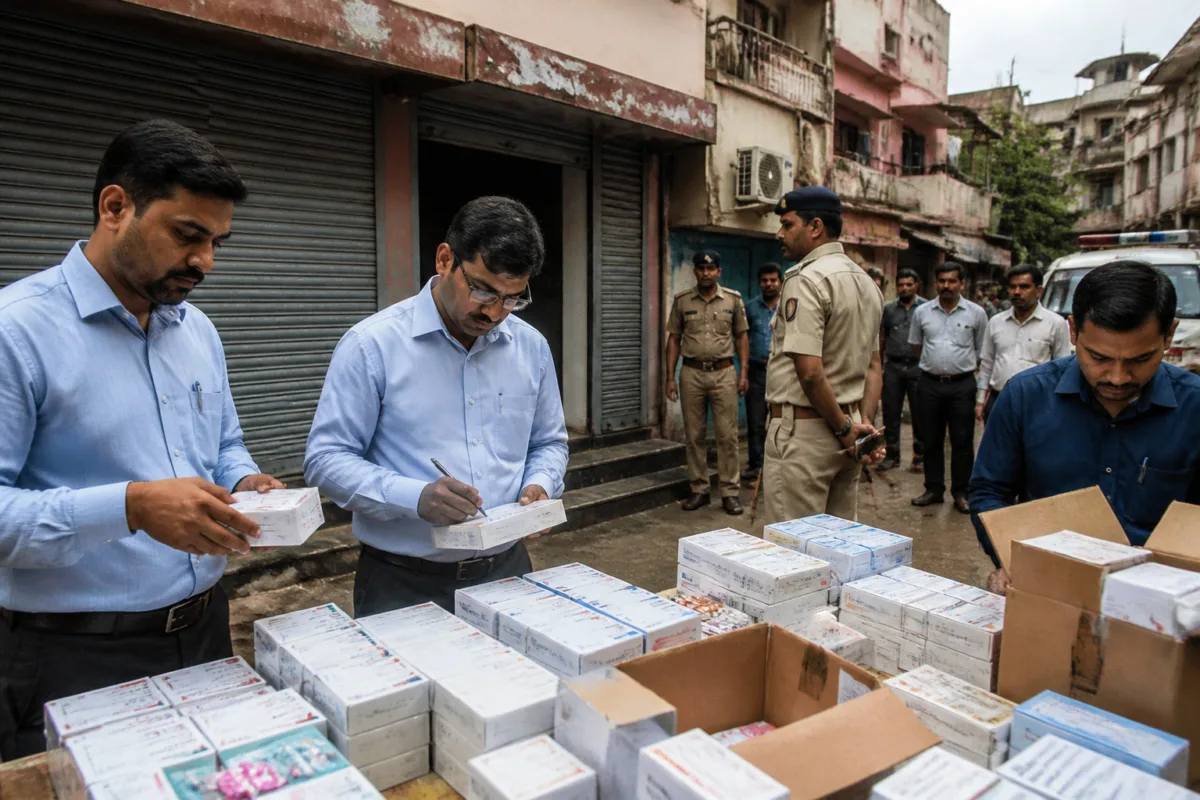
Four women in and around Nagpur reportedly died after taking abortion medicines over the past 18 months, while an enforcement operation has exposed the unauthorised stocking and sale of medical termination of pregnancy kits in the city. The precise causes of the four deaths have not yet been established, according to a report by Loksatta – Nagpur.
Three of the women were from rural areas of Nagpur district, including Ramtek, Kalmeshwar and Saoner, while one was from Nagpur city. The report said all four women died after receiving treatment following the use of abortion medicines, but did not establish that the medicines were conclusively responsible for the deaths. It said the cases require independent medical examination.
Under the rules cited in the report, medicines used for abortion cannot be sold without a doctor’s prescription. However, cases of unauthorised storage and sale have emerged in Nagpur. In August, the Food and Drug Administration and Nagpur Police conducted a joint operation at a clinic in the Vinoba Bhave Nagar area.
During the operation, two people, including a doctor, were detained. Officials seized 70 MTP kits and medicines valued at Rs 45,649, the report said. The action has brought attention to how abortion medicines may be reaching patients outside a supervised medical process.
Gynaecologists and obstetricians quoted in the report said it is important to establish the number of weeks of pregnancy before such medicines are taken. A woman’s pregnancy status and location must also be assessed. Taking the medicines without an examination or sonography can lead to serious complications, they said.
The report specifically warned about ectopic pregnancy, in which the pregnancy develops in a fallopian tube rather than inside the uterus. In such cases, abortion medicines may not resolve the underlying danger. Severe bleeding, serious infection and septic shock can result, according to the medical explanation carried in the report.
The cases also highlight the enforcement challenge involved in regulating prescription medicines in urban and rural markets. The reported seizure indicates that unauthorised supplies were available through a clinic, but the available information does not establish the full distribution chain or whether the seized kits were connected to any of the four deaths.
The report did not provide the identities of the women, detailed medical records, post-mortem findings or an official conclusion on the causes of death. It also did not state whether criminal or regulatory proceedings had been completed after the August operation. Further medical and official inquiry will be necessary to determine the circumstances of each death and the responsibility, if any, of those involved in supplying or prescribing the medicines.

