


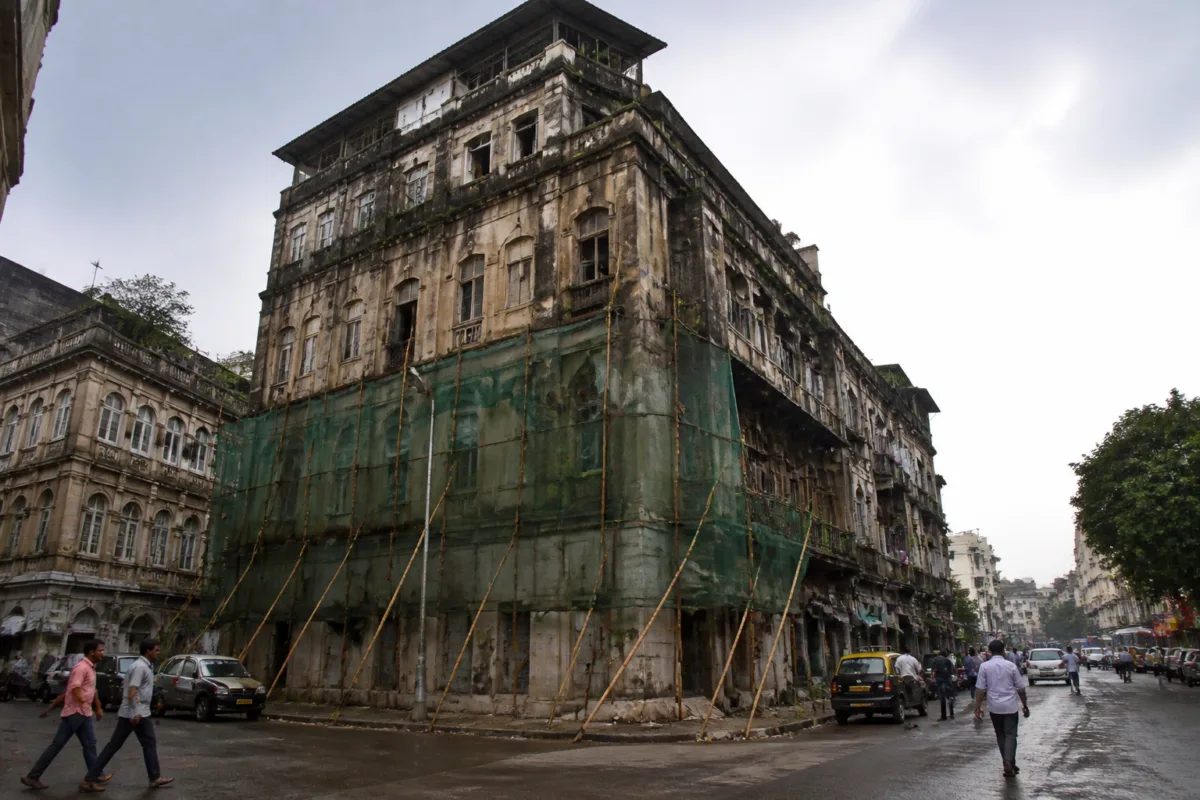
MHADA has identified 134 extremely dangerous cessed buildings in South Mumbai after completing structural inspections of 1,333 buildings, prompting plans to begin land acquisition proceedings for their redevelopment under Section 88(3) of the MHADA Act.
The inspections are part of a wider exercise covering more than 13,000 cessed buildings under the Mumbai Building Repairs and Reconstruction Board. Four private agencies appointed for the work began structural audits in August, with inspections being carried out in phases.
According to information provided by senior officials of the repair board to Loksatta, 1,333 buildings have been assessed so far. Of these, 134 were classified as extremely dangerous. The board has decided to prioritise these buildings for redevelopment because they are considered to have deteriorated beyond the stage where routine repairs can address their condition.
The repair board is responsible for the maintenance and repairs of old cessed buildings in South Mumbai. However, the findings indicate that a section of these buildings now requires a redevelopment response rather than continued repair work. The board plans to initiate action under Section 88(3) to acquire the land connected to the extremely dangerous buildings and facilitate their redevelopment.
The move comes against the backdrop of delays in the redevelopment framework. MHADA has introduced and begun implementing a new redevelopment policy intended to accelerate projects, but landowners have opposed the policy’s Section 79A provision. The matter is currently before the court, and proceedings under Section 79A have consequently stalled, according to the report.
The stalled process has affected the progress of redevelopment projects involving old buildings, making the structural audit an important administrative step. By establishing a priority list of buildings based on their structural condition, the repair board intends to move the most vulnerable properties into the redevelopment process first.
The inspection programme is scheduled to cover more than 13,000 cessed buildings in total. The board has planned to complete the exercise by August 2027. The estimated cost of the structural inspections is around Rs 50 crore.
The findings also place the safety of residents and the pace of redevelopment within the same administrative framework. While the structural audit determines which buildings require urgent attention, the use of Section 88(3) is intended to address the land and redevelopment hurdles affecting buildings that can no longer be managed through repairs.
Further action on the 134 buildings will depend on the repair board commencing the proposed Section 88(3) process. The remaining inspections are expected to continue in phases until the planned completion of the exercise in August 2027.

