


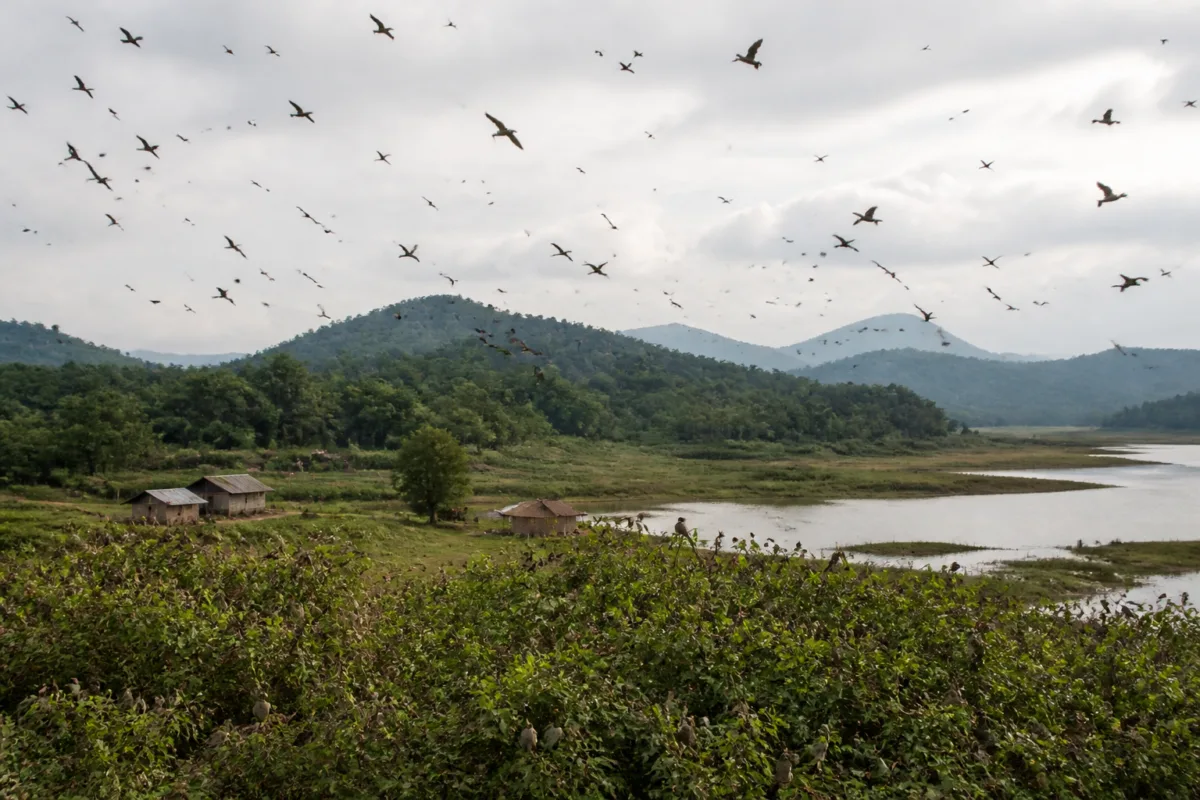
Assam has banned unauthorised recreational, commercial and non-essential drone flights, photography and videography around two identified Amur Falcon congregation and roosting sites after more than one lakh migratory birds arrived in the state. The restriction covers Umrangso in Dima Hasao district and Dharamtul in Morigaon district and will remain in force for as long as the birds are present.
The order was issued by Principal Chief Conservator of Forests (Wildlife) and Chief Wildlife Warden Dr Vinay Gupta. It directs authorities to protect the birds’ undisturbed resting, feeding and migratory movement during their seasonal stay in Assam.
According to the order, unregulated drone operations near the sites could seriously disturb the birds, create collision risks and disrupt their natural behaviour. The restrictions also apply to unauthorised photography and videography in and around the identified sites, placing limits on activities commonly associated with tourism, wildlife documentation and content creation.
Assam environment and forest minister Jayanta Mallabaruah said on social media that more than one lakh Amur Falcons had arrived in the state this season. He identified Umrangso and Dharamtul as important roosting sites and urged tourists, photographers, content creators and local residents to follow the directions.
“Every year, Amur Falcons travel thousands of kilometres to Assam as our seasonal winged guests,” Mallabaruah said. “Ensuring their safety is our collective responsibility.” He added that forest officials had been directed to strengthen protection measures and public awareness around the birds’ arrival.
The forest department has asked divisional forest officers to identify and demarcate sensitive roosting areas, establish effective monitoring and protection measures, and coordinate with district administrations and police. The directions also allow temporary no-drone zones to be declared wherever required under the applicable rules.
The Amur Falcon is a long-distance migratory bird that travels about 20,000 km from East Asia towards Southern Africa. Conservation organisation Aaranyak said the birds need safe places to rest and feed during the journey and urged local authorities to restrict recreational and commercial drone flights around the main congregation sites.
Aaranyak said spinning drone propellers could pose collision risks and that flights could trigger panic among flocks. Repeated disturbance, it added, could interrupt essential resting and feeding and increase stress on the birds.
The seasonal order places responsibility for enforcement across forest officials, district administrations and police rather than treating the restrictions as a voluntary tourism advisory. The directions will continue until the Amur Falcons leave the identified sites, with monitoring and public-awareness measures expected to remain active during their presence.

