


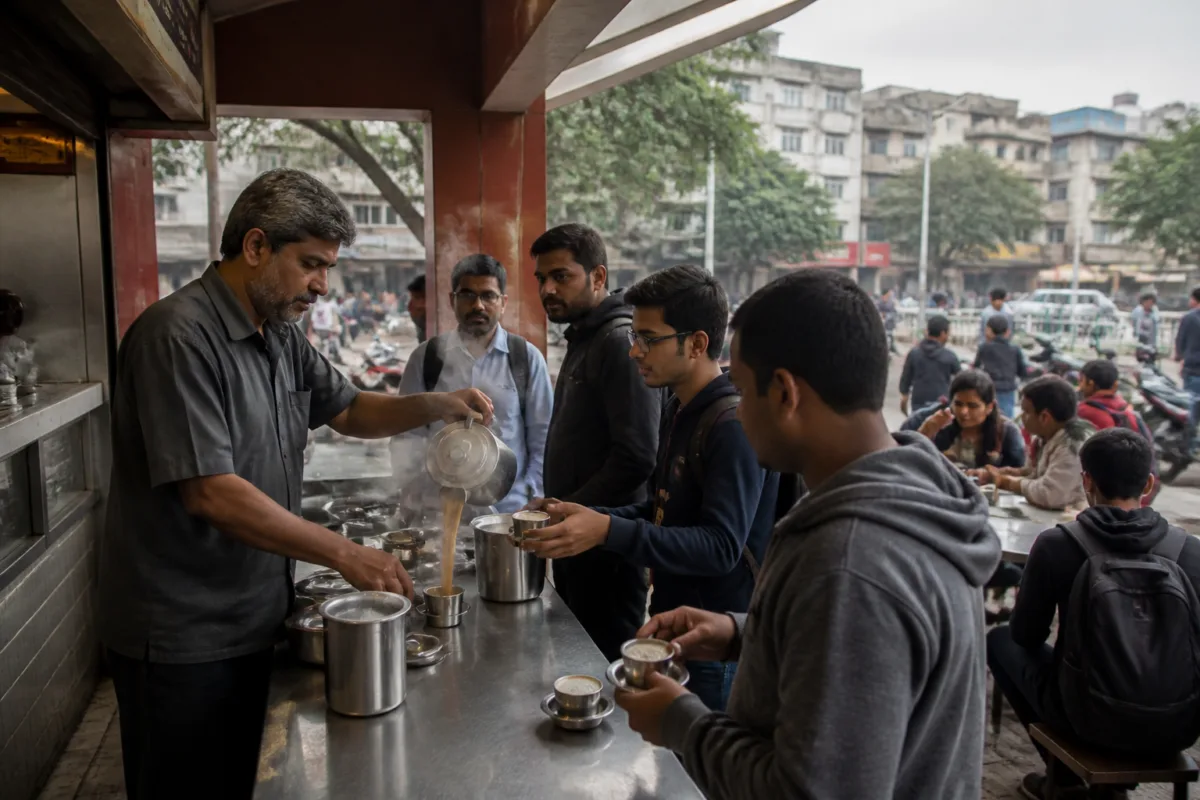
Bengaluru’s latest coffee and tea price increase looks small at the counter, but it reveals how quickly routine urban expenses can accumulate for students, shift workers and residents who depend on neighbourhood eateries for affordable food and drink. Hotels, darshinis and petty shops across the city have reportedly raised prices by ₹3 to ₹5 after a milk price revision, with some outlets selling a cup of coffee that earlier cost ₹20 for ₹25.
The immediate trigger is straightforward. Milk prices have risen by ₹8 a litre and curd by ₹14, according to the report. Bengaluru’s hotels and small eateries use milk not only for tea and coffee but also for products such as ghee, butter, paneer and cheese. The Bengaluru Hotels Association has said that absorbing the increase would be difficult, particularly after earlier price rises linked to higher LPG costs and concerns over gas supply.
But the significance of the latest increase lies in the role these outlets play in the city. A darshini is not merely a place to buy a beverage. For many people living alone, working irregular hours or studying away from home, it is part of the everyday support system that makes urban life manageable. It provides a relatively accessible place for breakfast, snacks, meals and short breaks without the cost or time required by a full-service restaurant.
That role becomes more important in a city where work and education schedules frequently extend beyond conventional hours. Photographer and theatre artist Sharath K told the Times of India that coffee and tea are essential during odd-hour work around events and gigs. He said repeated increases had led him and others to share one cup between two people, and that a ₹25 cup was becoming difficult for those who consume several cups a day.
His experience shows why a price increase of ₹3 to ₹5 cannot be assessed only as a minor adjustment. The effect depends on frequency. A person buying one cup occasionally may barely notice the change. Someone purchasing two or more cups every day faces a recurring monthly expense. Students working through examinations, assignments and project deadlines may consume several cups in a day, while workers on extended shifts may rely on tea and coffee as inexpensive breaks during long periods away from home.
Engineering student Pavan D said the price revision had spread beyond darshinis to neighbourhood petty shops, where tea and coffee had reportedly become ₹5 costlier. For students, he said, the additional amount accumulates when several cups are bought daily. The calculation is simple even without a large price shock: a ₹5 increase repeated across multiple purchases converts a small retail adjustment into a visible pressure on a limited daily budget.
The same pattern appears among people who live away from their families. Tech worker Chethan KM said darshinis were where he had most of his meals and beverages, but that a regular coffee at ₹25 no longer seemed worth the cost. He said he might switch to black coffee or black tea as cheaper alternatives. That response illustrates how consumers adjust when an everyday purchase becomes less affordable: they may reduce consumption, change the product they buy or abandon the establishment altogether.
These choices matter because they connect household budgets to the economics of small urban businesses. A hotel or darshini has to decide whether to absorb higher input costs, increase prices, reduce portions, alter ingredients or accept lower margins. The source does not establish how individual outlets are making those decisions, but the association’s statement indicates that milk-intensive products are under pressure across the sector.
In a statement issued on October 29, the Bengaluru Hotels Association said a smaller increase of ₹2 to ₹3 per litre would not have required hotels to raise prices of coffee, tea or snacks. It said the steeper rise would make revisions necessary for food and beverages made using milk. Association president PC Rao said the increase was becoming a burden for consumers and that hotels were being forced to pass on additional costs.
The statement also broadens the issue beyond the price of a cup. If milk becomes more expensive, the cost pressure can move through several menu items. Rao said prices of ghee, butter, paneer and cheese could also increase, while irregular supplies of ghee were already being witnessed. The report does not provide revised prices for those products, so the scale of any wider increase remains unclear. It does, however, show that the impact is not confined to beverages.
For Bengaluru’s residents, the city’s low-cost food network performs an important affordability function. Small eateries help people bridge the gap between home cooking and more expensive restaurant meals. They are especially relevant to renters, students, single workers and people whose schedules make regular cooking difficult. When input prices rise, the city’s informal and semi-formal food economy becomes a transmission point between commodity costs and daily urban living.
This also exposes a less visible feature of affordability: the cost of maintaining routines. Urban expenses are often discussed through rent, transport, school fees or utility bills. Yet frequent low-value purchases can be equally important for people with tight budgets. Tea, coffee and a basic meal may be individually inexpensive, but their regular use makes them part of the cost of commuting to work, staying late, attending classes or living independently.
The latest increase follows an earlier round of higher tea and coffee prices attributed in the report to LPG price increases and gas supply concerns. That sequence is significant because it suggests that eateries are dealing with overlapping operating pressures rather than a single isolated increase. Milk is the latest input cited by the association, but the report also identifies fuel and supply conditions as earlier contributors to price revisions.
For businesses, passing on costs may protect operations but can weaken demand. For consumers, accepting higher prices preserves access to familiar food and drink but reduces discretionary spending. Switching from milk-based beverages to black tea or coffee may reduce the immediate bill, but it also changes consumption habits. Sharing a cup or cutting down on visits can lower expenses while reducing the revenue available to small outlets. The supplied report does not quantify these effects, but the accounts from residents show how the adjustment begins at street level.
The institutional structure behind the increase is also worth noting. The Bengaluru Hotels Association is speaking for hotels and eateries, while individual customers experience the result through menu prices. The report attributes the milk and curd price revisions to the latest change but does not identify the authority or company responsible for setting those prices, nor does it provide the exact revised retail rate of milk. That missing information limits how precisely the cost transfer can be measured.
It also means that the final price of a cup cannot be explained by milk alone. The reported increase is occurring in businesses that use fuel, labour, rent, water, electricity and other supplies. The article specifically documents milk, earlier LPG-related pressure and gas supply concerns, but it does not provide a full cost breakdown. Any assessment of how much of the ₹3 to ₹5 increase is directly attributable to milk would therefore go beyond the available evidence.
What is clear is that the city’s everyday affordability is being negotiated through thousands of small transactions. A coffee moving from ₹20 to ₹25 may appear manageable in isolation. For a student buying several cups during examinations, a worker on an irregular schedule or a resident relying on darshinis for daily meals, the repeated cost is more consequential. The urban question is not whether one beverage remains affordable, but whether the low-cost networks supporting city life can continue to absorb rising operating expenses without pushing basic routines out of reach.
The reported price revision confirms pressure on both sides of Bengaluru’s neighbourhood food economy. Consumers are considering smaller quantities and cheaper alternatives, while hotels say higher input costs are forcing menu changes. The next developments to watch are whether prices of other milk-based items rise, whether irregular ghee supplies continue and how customers and small eateries adjust to the new cost of the daily cup.

