


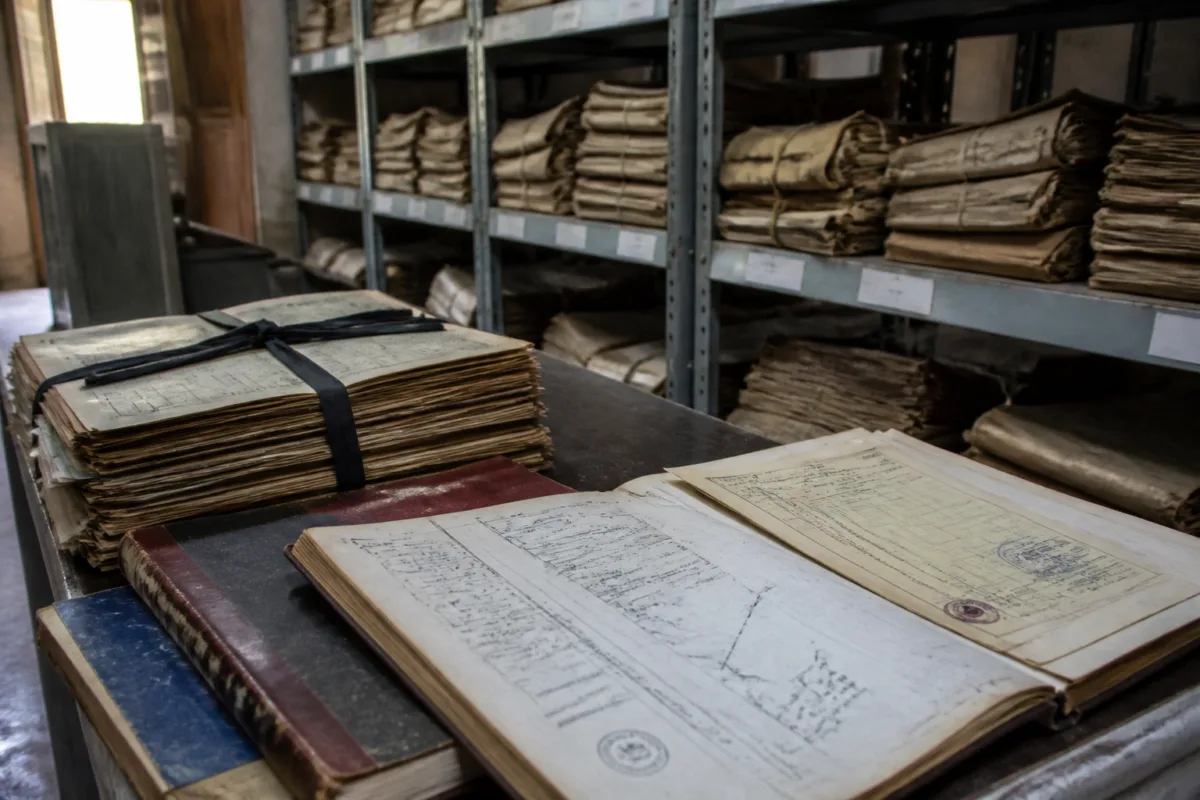
An archivist at the National Archives Records Centre has been sentenced to three years in prison by a CBI special court for accepting a ₹15,000 bribe to provide certified copies of historic land records linked to Rajkot. The court said strict punishment was necessary to create a deterrent against corruption by public officials.
The case involved British-era land records and CRO records relating to land in Rajkot. According to the case details reported by Nav Gujarat Samay, complainant Vijaysinh S. Jhala had applied to the National Archives Records Centre in Jaipur to obtain the old documents. The application was handled by archivist Satyadhari Lal Sahu.
The court was told that Sahu did not provide a satisfactory response to the application and later demanded ₹10,000 for locating the records and ₹5,000 as an amount for his personal expenses. The total demand was ₹15,000 in exchange for finding the documents and providing their certified copies.
Jhala subsequently approached the CBI office in Gandhinagar. The agency conducted verification in the presence of independent witnesses and recorded the alleged demand for the bribe, according to the report. It then began pre-trap proceedings in Rajkot on December 26, 2012.
The CBI provided the complainant with government currency notes coated with phenolphthalein powder. Sahu travelled from Jaipur to Rajkot and stayed at Pragati Apartment in the city. During the operation, the complainant handed over the documents and placed the money in a folder belonging to the accused, after which the CBI team conducted the raid and arrested him. The bribe money was recovered, the report said.
The case highlights the administrative importance of historic land records, which can be required to establish property histories, ownership claims and other rights connected with land. Certified copies are issued through official record systems, making the integrity of the process important for residents, property holders and public authorities dealing with land documentation.
After completing its investigation, the CBI filed a charge sheet before the court. During the trial, the prosecution relied on witness testimony and documentary evidence. The court found the allegations against Sahu proved and convicted him under the applicable anti-corruption provisions, according to the report.
The CBI special court subsequently ordered a three-year prison sentence for Sahu. The court’s stated emphasis on deterrence makes the judgment the latest development in a case that began with a demand for payment to access certified public records and ended with a conviction based on the agency’s trap investigation.

