


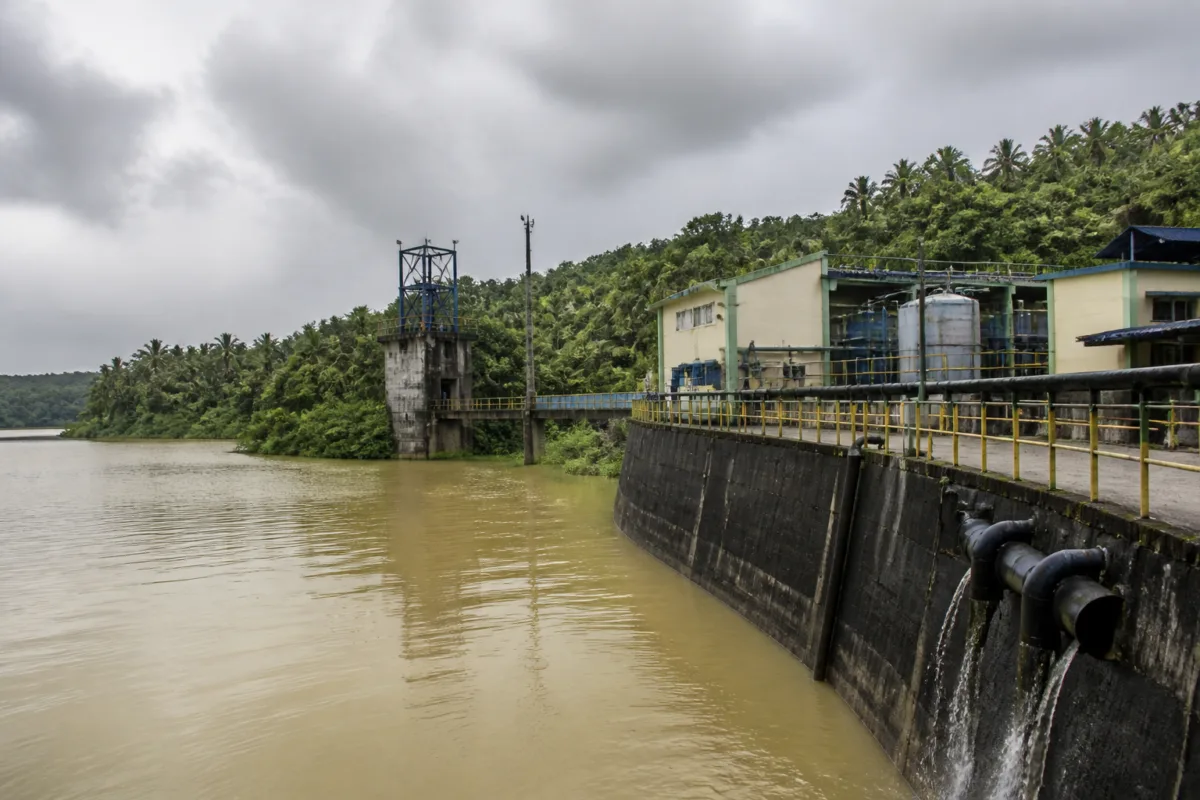
The proposed increase in hydrated lime use at Aruvikkara dam is more than a routine procurement decision. It shows how a change in the quality of raw water can move through the entire urban water system, raising treatment requirements while putting attention on the condition and maintenance of the plant that processes it.
The Kerala Water Authority has proposed increasing hydrated lime procurement for the Aruvikkara division from 580 tonnes in 2025–26 to 688.10 tonnes in 2026–27, an increase of 18.6%. KWA sources cited by the Times of India said the proposal was prompted by higher silt levels and rising turbidity in raw water drawn from Aruvikkara dam. The final decision on the procurement is expected on November 2.
The immediate technical issue is the change in turbidity. According to a source at the executive engineer’s office in Aruvikkara, turbidity was around 60 nephelometric turbidity units last year and has risen to between 80 and 100 NTU this year because of increased silt in the raw water. Turbidity measures the presence of suspended particles in water. In this case, the reported increase means that the treatment system is dealing with a heavier load of fine soil and mineral matter before water can move through the rest of the process.
The treatment response described by KWA involves two chemicals with different functions. Alum helps suspended particles clump together so that they can settle or be removed during subsequent treatment stages. The source said that the use of alum can affect the pH balance of the water. Hydrated lime is added to regulate that balance and maintain the chemical conditions required for treatment.
This distinction matters because the additional lime is not being proposed as a standalone response to dirty water. It is part of a treatment chain in which the quality of incoming water affects the quantity and balance of chemicals required at the plant. The procurement proposal therefore provides an operational signal: the authority expects the higher silt and turbidity levels to continue into the next financial year sufficiently to require an increase in treatment input.
At the same time, the report points to a second operational concern. Cleaning of the Aruvikkara treatment plant has not taken place for the past three months, according to the KWA source. An earlier tender process held in April could not be completed because the bidder did not meet the prescribed eligibility criteria. KWA has since initiated a fresh tender for the cleaning work.
The combination of higher turbidity and delayed cleaning creates two linked pressures within the same water-supply system. The first is the quality of the raw water entering the plant. The second is the readiness of the infrastructure responsible for treating it. The available report does not establish that the cleaning delay caused the rise in turbidity, nor does it state that treated-water quality has fallen. It does, however, show that chemical planning and plant maintenance are being handled at the same time as the authority responds to a more demanding raw-water condition.
For an urban water utility, that connection is significant. Treatment capacity is not defined only by the size of a plant or the volume of water it can process. It also depends on the characteristics of the water entering the facility, the availability of treatment chemicals, the working condition of equipment and the ability to complete maintenance and procurement processes on time. The Aruvikkara proposal brings all four elements into one administrative decision.
The procurement specification requires hydrated lime with a calcium hydroxide content of at least 86%. That requirement indicates that the tender is not simply about obtaining a larger quantity of a generic material. The chemical must meet a stated quality threshold for use in the treatment process. The proposed increase from 580 tonnes to 688.10 tonnes also gives the decision a measurable operational basis rather than leaving it as a general response to changing water conditions.
However, the reported figures should be read carefully. The 18.6% increase is a proposed requirement for 2026–27, not evidence that the authority has already procured or consumed that quantity. Similarly, the reported turbidity range of 80 to 100 NTU describes raw water, not the final treated water supplied to consumers. The source material does not provide treated-water turbidity figures, laboratory results, supply interruptions or information about any public-health impact.
That distinction is central to understanding the story. A rise in raw-water turbidity can increase the complexity and cost of treatment, but the available information does not show that the treatment process has failed. The proposal for more hydrated lime suggests that KWA is adjusting its chemical requirement in response to the reported condition of the source water. The fresh cleaning tender suggests that the authority is also attempting to address the plant’s maintenance needs after the earlier tender failed on eligibility grounds.
The procurement timeline will now be an important administrative milestone. KWA sources expect a decision on the proposed purchase on November 2. The outcome will indicate whether the authority approves the higher requirement as proposed or changes it before procurement. The fresh tender for cleaning will be a separate test of whether the plant maintenance work can proceed after the unsuccessful April process.
The institutional lesson is that water security depends on routine systems that are often invisible to consumers. Chemical specifications, tenders, eligibility criteria, plant cleaning and raw-water monitoring may appear separate in official files, but they jointly determine whether a treatment facility can respond to changing conditions. A delay in one part of that chain does not automatically produce a service failure, but it can narrow the operational margin available to the utility.
The source report also leaves several questions open. It does not identify the cause of the increased silt in the Aruvikkara raw-water supply, establish how long the higher turbidity has persisted, or quantify the additional cost of the proposed hydrated lime requirement. It does not state how the three-month cleaning gap has affected plant operations or whether any interim maintenance has been carried out. Those details would be needed to assess whether the current issue is a short-term seasonal challenge or a longer-running change in source-water conditions.
For now, the evidence confirms three developments: KWA has recorded higher reported turbidity in raw water, it has proposed an 18.6% increase in hydrated lime requirement for the next financial year, and it has begun a fresh tender after an earlier cleaning contract could not be completed. The November 2 procurement decision and the progress of the plant-cleaning tender will determine the next visible steps in the response.

