


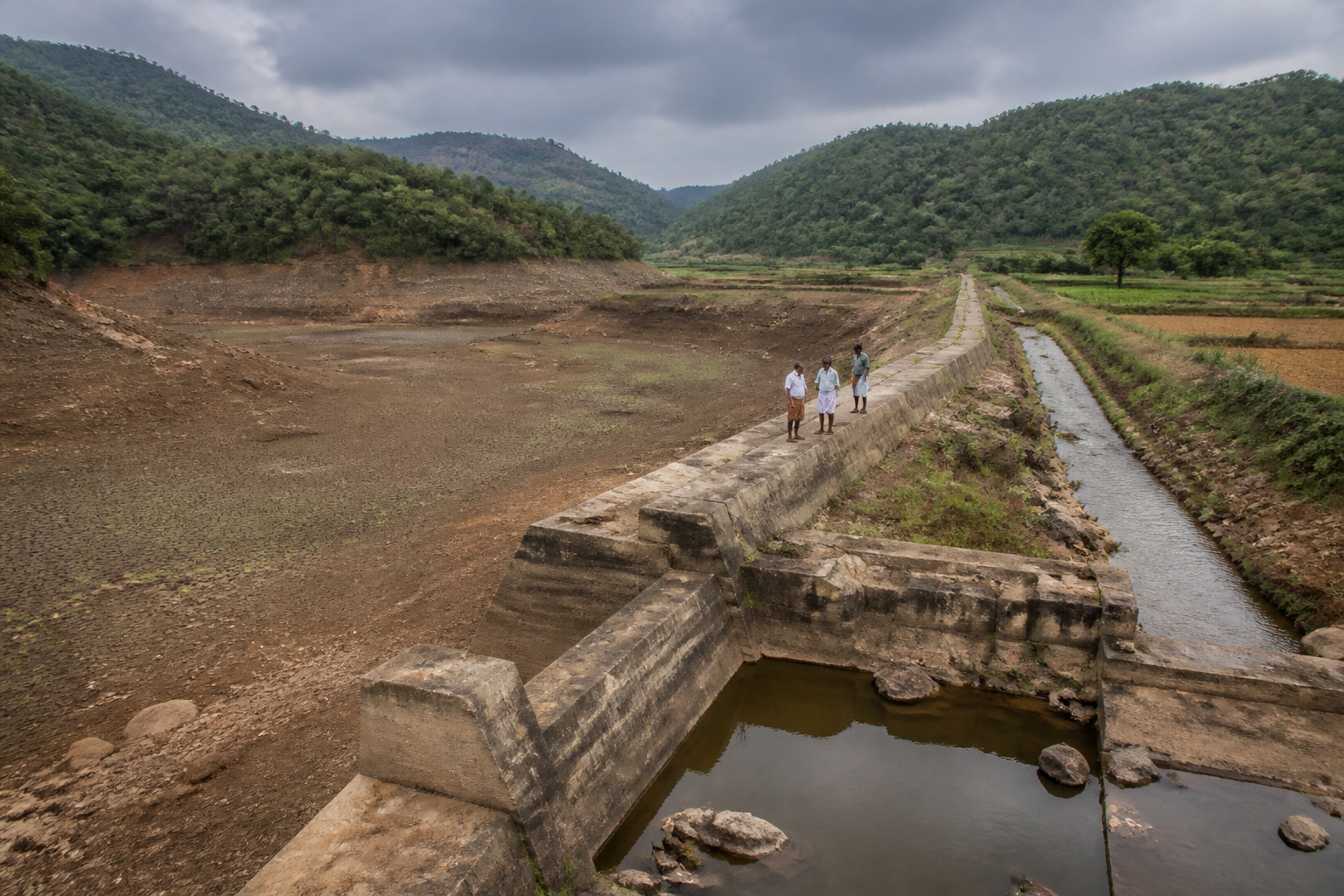
Wayanad’s 53% monsoon rainfall deficit is more than a seasonal weather statistic. It is an early warning for a district whose water security depends on short, intense rainfall reaching the Western Ghats, being stored locally and then distributed across a hilly agricultural landscape. Between June 1 and September 30 this year, Wayanad received 114.49 cm of rain, the highest shortfall recorded among Kerala’s districts during the monsoon period.
The deficit also places the current season within a recurring pattern. According to the report, Wayanad recorded rainfall deficiencies of more than 50% in three years between 2015 and 2026. The district experienced a 59% shortfall in 2016, while the deficit stood at 55% in 2023. The 2023 shortfall preceded a drought situation in Kerala during the summer of 2024. This history makes the latest figure relevant not only to weather monitoring but also to the management of drinking water, irrigation, reservoirs, canals and farm livelihoods.
The Indian Meteorological Department has attributed the rainfall pattern to the behaviour and direction of monsoon winds. Neetha K Gopal, director of the IMD’s Thiruvananthapuram centre, said the strength of monsoon currents and their direction influence rainfall in Kerala’s hilly regions. During a weak monsoon, she said, Wayanad and Idukki receive less rain. Strong westerly and south-westerly winds can reach the Western Ghats and produce heavy rainfall, but the state received mostly north-westerly winds this year. These moved parallel to the coast rather than reaching the ghats, while the number of days with westerly and south-westerly winds was lower during the June-to-September period.
That explanation is important because it shows why state-wide rainfall averages can conceal local water stress. Wayanad’s terrain does not automatically guarantee reliable water availability. Rainfall must arrive in the right place, during the right part of the season and with sufficient intensity to replenish local water systems. A reduction in the number of days when moisture-laden winds reach the Ghats can therefore affect a district differently from coastal or lower-elevation areas.
The district’s water problem is also shaped by infrastructure and institutional capacity. Agriculture minister T Siddique, who is in charge of Wayanad, said the district had not been able to use the water allocated from the Cauvery basin. The government has consequently decided to proceed with the proposed Kadamanthoru project. The report does not provide the project’s capacity, cost, construction schedule or expected coverage, so its likely contribution to the district’s water balance cannot yet be assessed.
The minister also listed a set of measures intended to address the drought situation. Authorities have been instructed to map existing check dams, form farmer clusters and undertake rainwater harvesting for water distribution. The plans include rejuvenating canals and regulators, as well as removing sediment from reservoirs and rivers. Together, these measures point to a water-management approach based on improving storage, restoring conveyance systems and coordinating distribution rather than relying only on a single large supply project.
Mapping check dams is a basic but important administrative step. Small barriers and local storage structures are often distributed across jurisdictions and may not be recorded in one accessible system. Without an inventory, authorities may not know which structures are functional, which require repairs and where gaps exist between water sources and farms. The report does not establish the present condition or number of Wayanad’s check dams, but the government’s instruction suggests that the existing network has not yet been treated as a fully integrated water system.
The proposal to constitute farmer clusters also places local users within the planned distribution structure. This could help authorities identify demand and coordinate the use of stored water, although the supplied report does not specify how the clusters will be formed, which department will manage them or how allocation decisions will be made. Those administrative details will determine whether the measure operates as a formal drought-response mechanism or remains a broad policy announcement.
Rainwater harvesting is similarly dependent on implementation. Wayanad’s current deficit makes storage a priority, but harvesting systems have to be located, maintained and connected to actual users. The report does not state how many households, farms or public institutions will be covered, nor does it provide a funding framework. The same gap applies to canal and regulator rejuvenation and the removal of sediment from reservoirs and rivers. Their inclusion in the plan identifies the infrastructure categories under consideration, but not yet the scale or timeline of execution.
The rainfall data nevertheless establishes a clear pressure point. Wayanad received 114.49 cm during the four-month monsoon period, which was 53% below normal according to the report. A deficit of this magnitude can reduce the water entering local storage systems and increase dependence on existing reservoirs, groundwater or transferred supplies. The consequences for agriculture, drinking water and rural livelihoods will depend on how much water was carried over from earlier periods and how quickly the government implements the proposed measures. Those conditions are not detailed in the supplied material and should not be assumed.
The comparison with 2016 and 2023 adds a longer-term dimension. The recurrence of more than 50% deficits suggests that drought preparedness cannot be treated solely as an emergency response after a failed monsoon. At the same time, the available figures cover only three identified years and do not establish a complete trend in rainfall, groundwater levels, reservoir storage or agricultural losses. They show recurrence, but not the frequency or full hydrological consequences of that recurrence.
The reference to El Nino years in the report also needs to be read carefully. Wayanad had recorded similar deficiencies during some of the warmest years, particularly El Nino years, before drought conditions in Kerala in the past. However, the supplied material does not establish that the current shortfall was caused by El Nino or quantify the contribution of any single climate driver. The IMD’s explanation instead identifies multiple factors, including wind strength and direction. That distinction matters for public planning because a multi-factor rainfall failure cannot be managed through a single seasonal forecast or one infrastructure intervention.
At the governance level, the response involves several linked responsibilities: weather monitoring by the IMD, water allocation associated with the Cauvery basin, district administration, agricultural authorities and agencies responsible for canals, reservoirs, rivers and regulators. The minister’s statement brings these elements into one drought-response frame, but the report does not identify a single coordinating authority or a public timetable for implementation. Without such coordination, the measures could proceed at different speeds and fail to address the connections between storage, conveyance and distribution.
The proposed Kadamanthoru project illustrates the distinction between creating additional supply and making better use of existing water. The project has been selected as a way forward after the district was unable to utilise allocated Cauvery basin water, but the report does not clarify whether it is intended to replace, supplement or operationalise that allocation. Its relationship with check dams, canals, reservoirs and rainwater harvesting is also not specified. These questions will be central to understanding whether Wayanad’s response is becoming an integrated water strategy or a collection of separate works.
For residents and farmers, the most immediate issue is not the rainfall percentage itself but whether water can be stored and delivered when demand rises. A district can receive substantial monsoon rain and still experience local shortages if runoff is not captured, storage is silted, regulators are ineffective or distribution does not reach farms and settlements. Wayanad’s current deficit makes those system weaknesses more consequential, particularly because the report links previous major deficits with drought conditions in the following summer.
The evidence confirms three points: Wayanad has recorded a 53% monsoon rainfall deficit this year; similar deficits above 50% have occurred in at least two earlier years identified in the report; and the state has announced measures involving the Kadamanthoru project, check dams, farmer clusters, rainwater harvesting, canals, regulators, reservoirs and rivers. What remains unclear is the implementation schedule, funding, infrastructure condition, storage availability and expected water coverage. Those details will determine whether the current response can reduce the effects of a recurring rainfall failure before the next period of high demand.

