


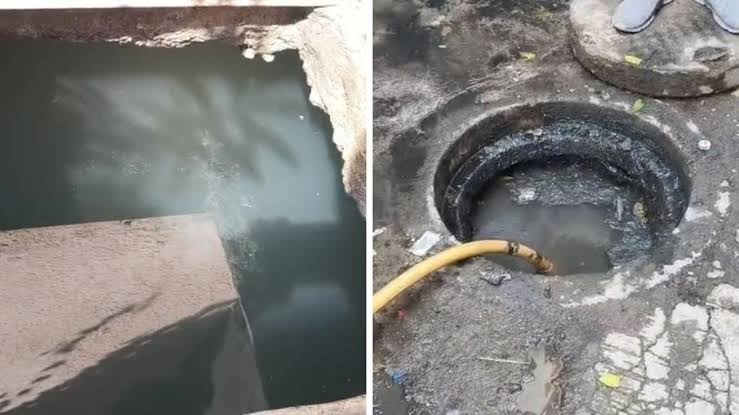
Residents of Kalepadal in Hadapsar, Pune, have reported sewage water entering homes and parking areas, while fears of drinking-water contamination have prompted demands for urgent inspection and corrective action from the Pune Municipal Corporation (PMC). The issue was highlighted after Ward 41 corporator Nivrutti Anna Bandal visited the affected area and met residents.
Residents said sewage entering residential premises and parking areas had caused significant inconvenience. They also raised concerns that the sewage could have affected the drinking-water supply, although contamination had not been confirmed at the time of reporting. The immediate demand from residents is for the PMC to test water samples and establish whether sewage has entered the potable-water network.
Bandal criticised the civic administration over what he described as a failure to address basic drainage and water-supply concerns. He questioned how residents could be expected to pay property taxes and other civic charges when essential services remained inadequate.
“It is unacceptable that residents have to live with drainage water entering their homes and the fear that their drinking water may be contaminated. The PMC cannot turn a blind eye to such a serious problem,” Bandal said. He added that residents should not have to repeatedly approach authorities for basic amenities such as functional drainage and safe drinking water.
The corporator said he had assured residents of assistance and would follow up with the civic administration. He urged the PMC to inspect the affected properties and water-supply network, identify the source of the problem and take corrective measures without delay.
Bandal said the matter went beyond a routine drainage complaint because it could affect the health and safety of hundreds of families. He called for drinking-water samples to be tested and for damaged or leaking pipelines to be repaired if required. He also said temporary visits or verbal assurances would not resolve the problem unless the underlying infrastructure failure was identified.
The cause of the sewage intrusion has not been established. Possible factors mentioned in the report include damaged pipelines, leakage, inadequate drainage capacity or another infrastructure failure. Determining the cause will require an inspection by the PMC’s water-supply and drainage departments.
Residents also expressed dissatisfaction with the response from elected representatives. They alleged that although four corporators represent the ward, only one had visited the affected area to hear their concerns, while the others had not responded adequately. Residents said access to safe water and proper sanitation should not depend on repeated complaints.
The PMC’s response to the allegations, including whether it has inspected the area, collected water samples or initiated repairs, was not available at the time of publication. The next official step is expected to involve an assessment of the affected locations, verification of drinking-water quality and identification of a permanent solution to the drainage problem.

