


The proposed JSW-Volkswagen India JV is not yet a concluded transaction. But the non-binding memorandum of understanding signed by JSW Group and Volkswagen marks a significant change in the German carmaker’s effort to build a more competitive position in India. The agreement begins exclusive negotiations on valuation and other details, with the two sides targeting a final binding agreement by the end of 2026.
The proposed alliance would be structured as a 51:49 partnership between JSW and Volkswagen Group’s local passenger-vehicle unit, Skoda Auto Volkswagen India Pvt Ltd, or SAVWIPL. It would operate through a new entity separate from JSW’s existing partnership with China’s SAIC Motor, which sells MG-branded vehicles in India. SAVWIPL confirmed the development, while JSW declined to comment.
The immediate event is therefore less a completed merger than the creation of a framework for negotiations. Its importance lies in what the proposed structure says about the requirements of India’s car market: local partners, shared investment, higher localisation, broader product portfolios and more efficient use of manufacturing and research capabilities.
The spokesperson for SAVWIPL said the planned cooperation aims to strengthen competitiveness through expanded product offerings, deeper localisation, and enhanced manufacturing and research and development capabilities. The proposed partnership would be based on joint control, clearly defined roles and mechanisms intended to support swift decision-making.
That language identifies the central problem the alliance is designed to address. Volkswagen has a substantial global portfolio, but its Indian operations have struggled to achieve the scale needed to compete with the country’s largest carmakers. The Economic Times reported that the top four players account for more than 85% of India’s 4.6-million-unit passenger-car market. Volkswagen, despite operating in India for more than two and a half decades, has a 2.5% share, according to the report.
Those figures place the proposed JV in a market where scale is not simply a question of selling more vehicles. It affects manufacturing utilisation, the cost of components, product development, distribution, service networks and the ability to offer vehicles at competitive prices. A larger alliance could potentially spread those costs across a wider portfolio, although the MoU itself does not establish the eventual investment, production or sales targets.
The proposed structure also reflects Volkswagen’s search for a local partner. The company has been seeking such an arrangement for more than three years. The negotiations now give it a route to share costs with an Indian group while making greater use of facilities already present in the country. The trade-off is that Volkswagen would give up majority control in the proposed entity.
For JSW, the proposed partnership would extend its presence in the automotive sector, but it would do so through a vehicle-specific and organisationally separate arrangement. The new entity would initially include the eight Skoda and Volkswagen brands sold in India, along with future launches, including electric vehicles. JSW has also indicated that it is open to bringing Volkswagen Group’s luxury marques Audi, Porsche, Lamborghini and Bentley into the alliance at a later stage.
The luxury-brand question remains unresolved. Those marques are separately listed, which could complicate their inclusion in the proposed venture. Volkswagen is also interested in eventually bringing all its brands under the JV, according to people cited in the report. That means the final scope of the alliance may be more difficult to define than the initial 51:49 structure suggests.
The distinction between the initial scope and the possible future scope is important. A partnership covering Skoda and Volkswagen passenger vehicles would already need to coordinate product planning, manufacturing, technology, sourcing, sales and service operations. Adding separately listed luxury brands would create additional questions about governance, brand positioning, capital allocation and operational responsibility. None of those questions has been settled by the non-binding MoU.
The alliance’s proposed emphasis on deep localisation is equally significant. Localisation can lower exposure to imported components and currency movements while supporting more competitive pricing. It can also make it easier for manufacturers to develop products for local demand rather than relying primarily on models designed for other markets. However, the supplied information does not specify a localisation percentage, a component strategy, a timetable or the facilities that would be expanded.
The same applies to research and development. The statement refers to enhanced manufacturing and R&D capabilities, but it does not establish where new work would be undertaken, how responsibilities would be divided, or whether the partnership would develop common platforms for multiple brands. The reference to platform synergies indicates an intended direction, not a confirmed programme.
Electric vehicles are included in the proposed alliance’s future product scope. This gives the partnership a potential route to coordinate electric-vehicle launches, manufacturing and localisation. Yet the announcement provides no model names, launch dates, battery plans, production volumes or investment commitments. The significance of electric vehicles at this stage is therefore strategic rather than operational: they are part of the proposed product universe, but not yet a defined rollout.
The governance design will be central to whether the partnership can convert that strategic intent into faster execution. The SAVWIPL spokesperson described a model of joint control, clearly defined roles and mechanisms for effective decision-making. That is an acknowledgement that a 51:49 ownership structure alone does not determine how a complex automotive business will operate.
Joint control can give both parties influence, but it can also require detailed agreement on investments, products, technology, procurement and brand decisions. The proposed mechanism for swift decision-making will therefore matter as much as the ownership ratio. The parties are still negotiating valuations and other details, and the final binding agreement is not expected until the end of 2026.
The timeline also places limits on what can be inferred from the announcement. The MoU does not guarantee that the proposed alliance will be completed in its current form. It starts exclusive negotiations, and the eventual agreement could determine the ownership, asset transfers, brand participation, management structure and financial commitments. Until those terms are disclosed, the alliance remains a plan under negotiation rather than a functioning joint venture.
The discussions follow earlier movement between the two companies. The Jindal family met Skoda Chairman Klaus Zellmer, Volkswagen Passenger Cars CEO Thomas Schafer and a Volkswagen Group board member at JSW’s Mumbai headquarters on August 17. The Economic Times had reported in October 2025 that JSW had revived discussions with Volkswagen and had subsequently reported on the proposed deal in its August 5 edition. Zellmer later told the publication that Volkswagen was open to giving up majority control to a local partner without identifying JSW at the time.
Those developments show that the MoU is the latest step in a longer effort, rather than an isolated announcement. They also explain why the proposed ownership arrangement is important. Volkswagen’s willingness to cede majority control creates room for a partnership in which a local industrial group plays a larger role in navigating India’s market, while Volkswagen contributes its brands, technology and existing operations.
The evidence available so far supports three conclusions. First, Volkswagen and JSW have moved from discussions to exclusive negotiations, but have not completed a binding deal. Second, the partnership is intended to address competitiveness through scale, localisation, broader products and stronger manufacturing and R&D capabilities. Third, the proposed alliance still contains major unresolved questions, including valuation, brand coverage, governance, facilities, investment and implementation.
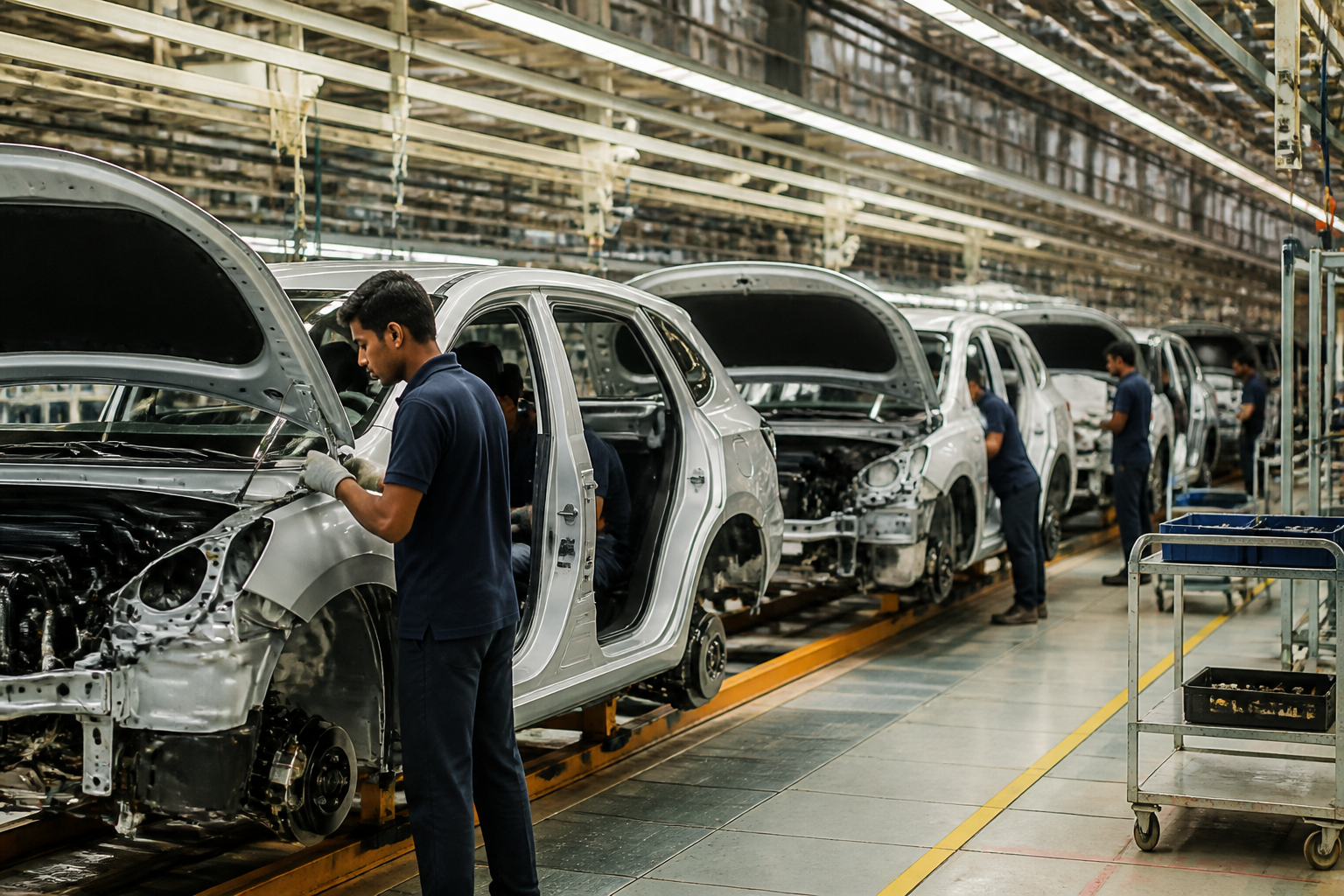
For India’s urban and industrial economy, the significance is tied to the manufacturing system behind passenger vehicles. A successful alliance would involve factories, suppliers, research facilities, logistics networks, dealerships and service infrastructure. It could also influence how electric vehicles are introduced and how global automotive brands adapt their operations to Indian market conditions. But the present announcement establishes no measurable outcome in any of those areas.
The next decisive milestone is the negotiation of a final binding agreement by the end of 2026. Until then, the 51:49 JSW-Volkswagen India JV should be understood as a proposed structure intended to solve a scale and competitiveness problem, not as evidence that the problem has already been solved.
