


The Karnataka High Court has directed the special sessions court for cases involving elected representatives to continue proceedings on a complaint alleging irregular allotment of a two-acre Bengaluru Development Authority (BDA) site to the Siddhartha Vihar Trust associated with Congress leader Mallikarjun Kharge’s family.
The order, delivered by Justice M. Nagaprasanna, partially allowed a criminal petition filed by complainant Vijay Raghav Marathe. The High Court returned the case to the special court and directed it to proceed in accordance with the appropriate legal procedure.
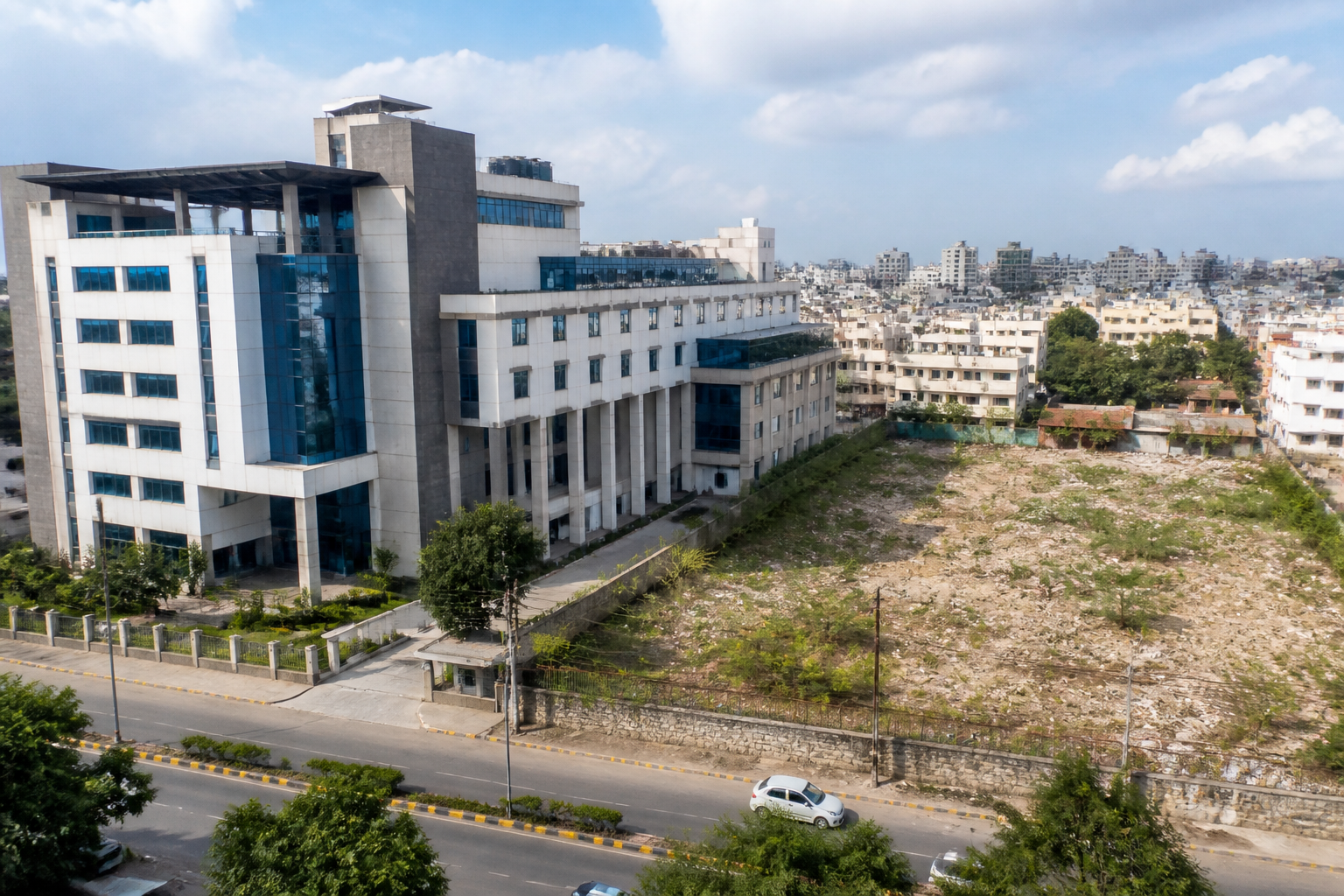
The complaint concerns a BDA site in Bengaluru’s BTM Layout. The complainant has alleged that the site was allotted unlawfully to the trust, which was described in the complaint as belonging to the Scheduled Caste community. The allegations have been made against Rajya Sabha Opposition Leader Mallikarjun Kharge, his wife Radhabai M. Kharge, Kalaburagi MP Radhakrishna, Rahul M. Kharge and Karnataka Home Minister Priyank M. Kharge.
The High Court’s ruling relates to the procedure followed by the special court, not to a final finding on whether the land allotment was illegal or whether the accused persons committed any offence. The court said that a defect in the affidavit accompanying the private complaint should not have resulted in the proceedings being halted at that stage.
According to the report, the special court had declined to refer the complaint for a Lokayukta investigation and had instead proceeded to examine it itself, citing defects in the complainant’s affidavit. The High Court held that sending the matter for investigation without addressing the technical defect was not appropriate, but also found that the special court had adopted an excessively technical approach in dealing with the complaint.
The complainant had argued that the special court had not found the case to be without substance. Instead, it had acknowledged on a preliminary basis that the complaint was suitable for investigation but relied on the affidavit issue while deciding how to proceed.
Senior advocate Lakshmi Iyengar, appearing for the petitioner, argued that the complaint had been filed in 2025 and that later Supreme Court guidelines on affidavits should not be applied retrospectively. She sought directions that would allow the matter to be referred to the competent investigating authority.
The High Court said the complainant should have been given an opportunity to correct the defect. It observed that the deficiency in the affidavit was capable of being rectified and that the complainant could have been directed to place a legally compliant affidavit before the court.
The case will now return to the special sessions court, which has been directed to continue the judicial process after following the required legal procedure. The High Court order does not determine the merits of the allegations or impose any finding of liability on the persons named in the complaint.
