


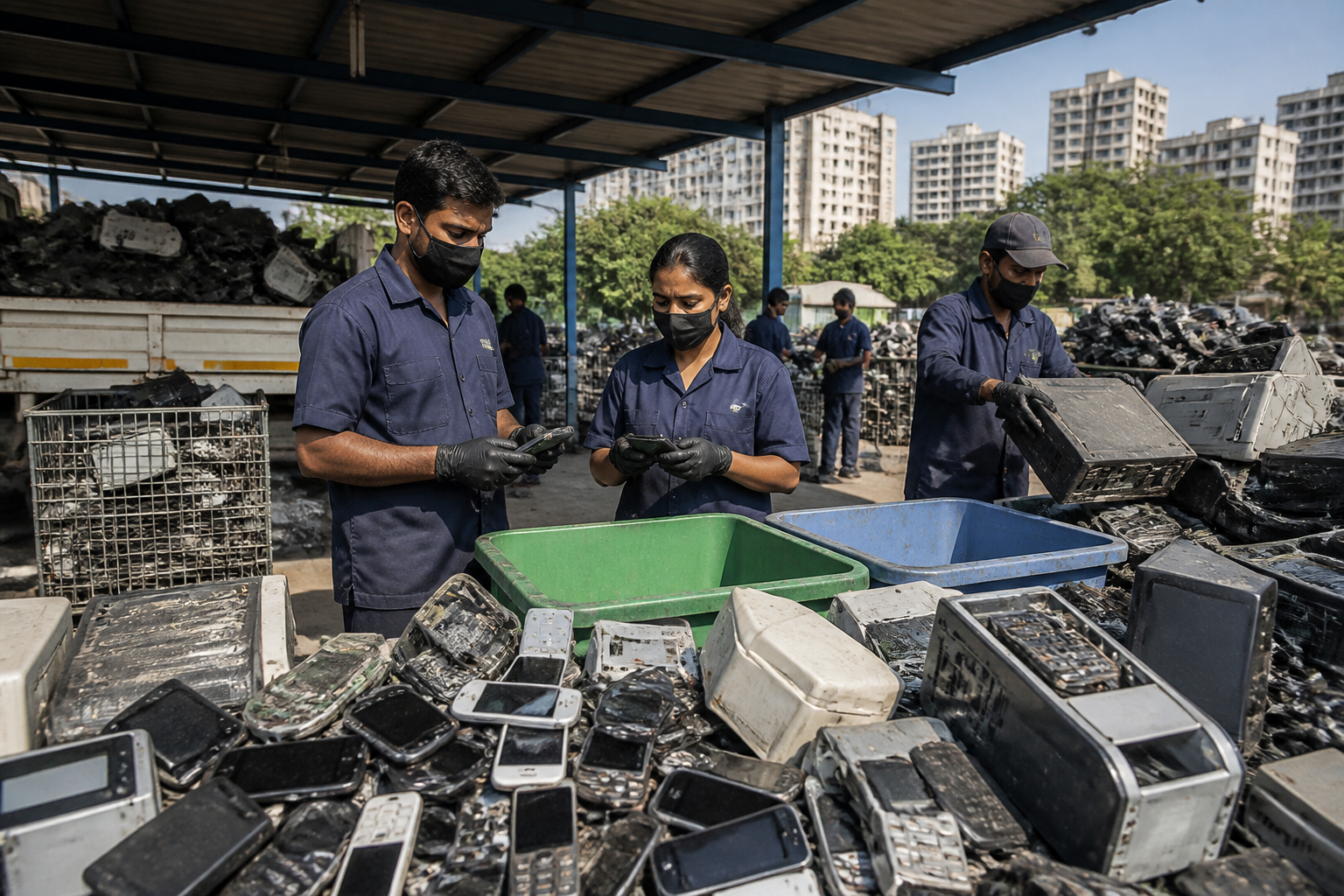
Pune Municipal Corporation has decided to create a dedicated system for collecting, transporting and processing the city’s e-waste, after reporting that Pune generates more than 3,000 tonnes of electronic waste each year. The civic administration is considering inviting proposals for the system, according to senior officials cited by Loksatta.
The proposed arrangement is expected to include collection centres, a transport network and processing through authorised recyclers. The civic body currently does not have an independent, regular system for collecting and disposing of e-waste, leaving discarded electronic items at risk of being mixed with ordinary municipal waste.
Pune’s e-waste includes discarded or damaged mobile phones, computers, refrigerators, televisions, washing machines, printers, scanners, air-conditioners, coolers, headphones, speakers, cameras, smartwatches and routers. The volume is expected to rise during festive periods, when households commonly purchase new electronic appliances and dispose of older equipment.
The PMC has previously conducted a ‘V-Collect Drive’ through its regional offices for limited periods. Under the initiative, residents can hand over items such as old mobile phones, televisions, chargers, computers, printers, scanners, refrigerators and washing machines. The collected material is then transferred to recyclers holding valid licences from the Maharashtra Pollution Control Board for further processing.
However, the drives are not conducted as a permanent or regular citywide service. As a result, residents may not have a consistent point of contact or collection location for handing over unwanted electronic equipment. The proposed dedicated system is intended to address this gap by establishing a more structured process for collection and disposal.
The civic administration’s decision comes amid concerns about the risks created when e-waste is mixed with regular municipal waste. Electronic waste can contain hazardous substances, including lead, mercury, cadmium and chromium. If such waste enters conventional handling and disposal processes, these materials may be released into the surrounding environment.
Burning e-waste can also produce toxic smoke and hazardous gases. Improper disposal therefore creates potential risks for air, water and soil, as well as for human health, animals and plants. The reported absence of a dedicated PMC mechanism has made the management of this waste a growing municipal challenge.
The next step under consideration is the invitation of proposals for the planned system. The administration has indicated that the work will focus on setting up collection centres, arranging transportation and linking the collected material with authorised recycling facilities. Further details about the proposal process, locations and implementation schedule were not specified in the report.
