


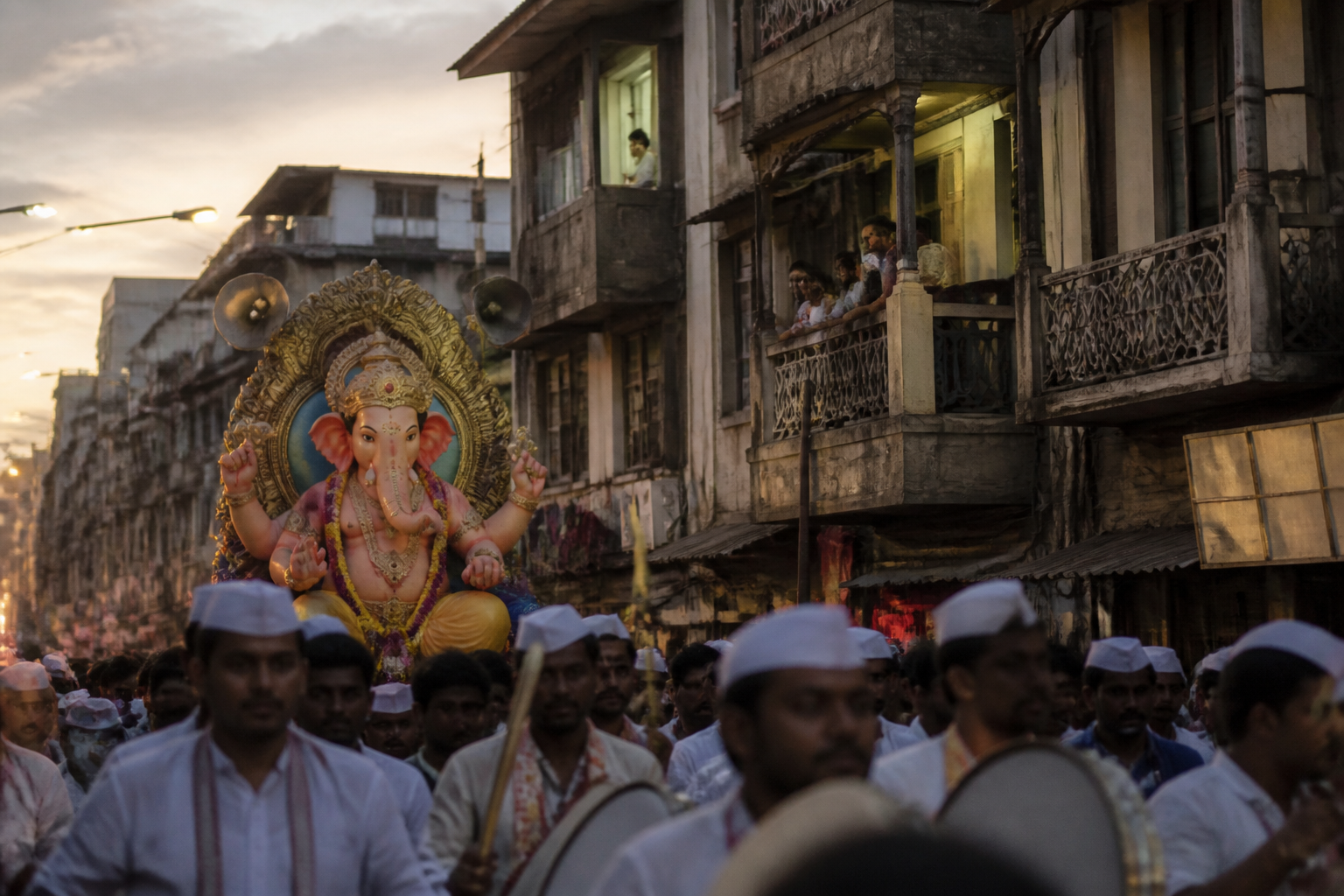
PUNE | September 6, 2026 — Vidyanand Bapat has responded to Nationalist Congress Party (Ajit Pawar) leader Rupali Thombre Patil’s criticism of his opposition to loudspeakers, DJs and high-volume dhol-tasha performances during Pune’s Ganeshotsav celebrations, calling her argument a “logical fallacy”, according to a report by Loksatta Online.
The exchange is part of a wider public debate in Pune over sound levels during the festival and the balance between a long-standing civic tradition and residents’ concerns about noise pollution. Bapat has attracted attention after opposing what he described as excessive noise during Ganeshotsav. The report also refers to his removal from a Pune Municipal Corporation public meeting and an assault reported on September 3, although the supplied material does not provide independent details about either incident.
Thombre Patil criticised Bapat in a Facebook post, arguing that people who had not been born and raised in Pune should not tell residents how to celebrate the festival. She referred to Ganeshotsav’s 130-year-old tradition in the city and said the celebrations were not limited to the issue of DJs. Her post mentioned areas including Narayan Peth, Shaniwar Peth, Laxmi Road, Lokmanya Tilak Road and Bajirao Road, where she said organisers and residents had grown up participating in the festival.
According to the report, Thombre Patil also questioned Bapat’s identity as a Pune resident, stating that he had moved from Ratnagiri to Pune for work seven years earlier. She argued that the city’s traditional celebrations were shaped by local communities, household and shop contributions, and the participation of Ganesh festival workers over generations.
Bapat responded to the criticism during an interview with the Political Maharashtra YouTube channel. Referring to the argument that only people born in Pune could speak about the festival, he cited Lokmanya Tilak, who is widely associated with the public Ganeshotsav tradition in Pune and was himself from Ratnagiri. Bapat described the argument as “logical dishonesty” and said it reflected an authoritarian tendency. The remarks were reported by Loksatta Online.
The dispute has brought together two separate questions that frequently arise during large urban festivals: who has the authority to define a city’s cultural traditions, and how should public celebrations be managed when their sound affects people beyond the event venues? The supplied report does not include fresh decibel readings, a police or municipal order, or a statement from an enforcement authority on the specific allegations.
The controversy follows public attention around Bapat’s language and views on the sound generated by festival loudspeakers, DJs and drums. The report says Chief Minister Devendra Fadnavis had earlier praised Bapat’s command of Marathi and offered him advice, but it does not provide the full details of that advice.
No new municipal rule, court order or enforcement timetable is identified in the supplied material. The immediate development is Bapat’s public response to Thombre Patil’s criticism, while the broader Pune sound-pollution dispute remains centred on how the city will regulate festival noise alongside its established Ganeshotsav practices.
