Kolkata’s transport network is absorbing a sudden shift in passenger demand as rail services to North Bengal face disruption following heavy-rain-induced track subsidence near New Farakka. With Kolkata serving as a major departure point for northern districts, the interruption has pushed more travellers towards road transport, exposing both the flexibility and capacity limits of the city’s regional mobility system.
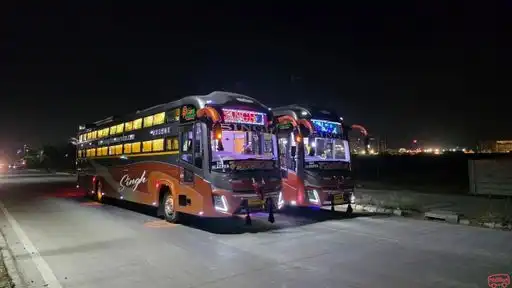
The state transport system responded by increasing bus capacity on routes linking Kolkata with Siliguri, Malda and Balurghat. On Friday, 23 additional buses were placed on the Kolkata–Siliguri corridor, while an existing Malda service was extended to Siliguri. Additional services were also added between Kolkata and Balurghat, alongside five bus services connecting Kolkata with Malda.For passengers leaving Kolkata for North Bengal, the New Esplanade Bus Terminus has become an important pressure point. Six special evening services to the Siliguri NJP terminus were scheduled between 5.30 pm and 9.30 pm, reflecting the sharp rise in demand after multiple trains were cancelled or diverted.The episode highlights a wider weakness in regional transport planning. Kolkata North Bengal connectivity remains heavily dependent on the railway network, particularly for affordable long-distance movement. When a critical rail corridor is suddenly compromised, buses can provide an immediate alternative, but their ability to absorb large passenger volumes is constrained by fleet availability, road capacity and journey times.
The disruption has also created affordability concerns. District administrations have been asked to coordinate with private operators and prevent unreasonable fare increases. Authorities have indicated that private buses could be requisitioned if government services cannot meet demand. This is particularly relevant for students, workers and lower-income travellers who have fewer alternatives when rail services are unavailable.For Kolkata, the incident is therefore more than a temporary change in travel patterns. It demonstrates why resilient urban mobility requires multiple transport modes that can complement one another during infrastructure failures. It also underlines the importance of climate-resilient infrastructure, as heavy rainfall and ground instability increasingly test transport assets across the region.
Rail services between North and South Bengal were subsequently restored after emergency repair work near New Farakka, easing the immediate pressure on road transport. But the episode leaves a broader planning question for Kolkata: whether its regional transport system has enough reserve capacity to maintain affordable, reliable movement when a critical infrastructure link fails.