Mumbai Infrastructure Plan Reshapes Regional Connectivity
Mumbai’s metropolitan transport network is entering a major expansion phase, with a coordinated programme of roads, tunnels, sea links and metro corridors intended to improve movement between the city and its rapidly growing neighbouring centres. The Mumbai Metropolitan Region Development Authority is targeting completion of its ongoing infrastructure projects by December 2028, bringing the focus on whether faster connections can be delivered without worsening congestion or encouraging inefficient urban sprawl. The proposed network combines around 10 major connectivity interventions linking established business districts with residential areas, airports, ports and emerging employment centres. Key corridors include the Eastern Freeway, Mumbai Trans Harbour Link, Santacruz-Chembur Link Road and Jogeshwari-Vikhroli Link Road, alongside planned western coastal connections.
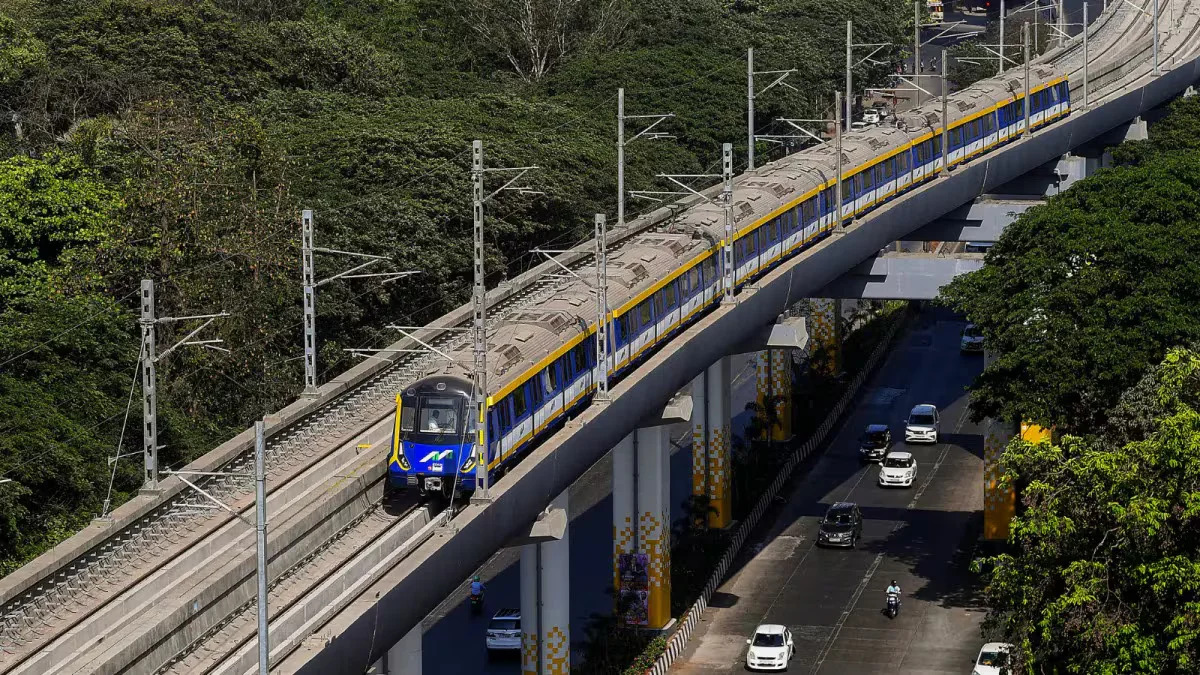
One of the more significant interventions is the Thane-Borivali twin tunnel, which is expected to create a direct east-west road connection. The project uses tunnel boring machines to construct an underground route and is projected to substantially reduce travel time between the two areas once operational. Another planned underground connection around Mahim, Dharavi, Bandra and the Bandra-Kurla Complex is intended to improve access towards the airport and major arterial roads. Such links could redistribute traffic across the metropolitan network, although their long-term value will depend on how effectively they connect with public transport rather than simply adding road capacity. The Mumbai connectivity plan also places substantial weight on mass transit. The proposed metro network is expected to span about 337 kilometres across 14 lines, including corridors serving the wider Navi Mumbai region. Authorities are also examining newer mobility formats, including pod-based systems for selected routes.
The scale of investment is significant, with an estimated allocation of around Rs 48,000 crore supporting the infrastructure programme. For large transport projects, timely construction matters because delays can raise financing and construction costs while postponing expected economic benefits. Financial discipline will therefore be as important as engineering delivery. The Mumbai connectivity plan is also being linked with the broader Mumbai 3.0 development framework, covering roughly 323 sq km. About 124 sq km within that area is described as reserved land, creating a planning challenge as new transport infrastructure intersects with open spaces and future development zones. Urban planners caution that mobility improvements alone cannot resolve Mumbai’s transport pressures. Better interchange facilities, pedestrian infrastructure, traffic management and reliable public transport will determine whether faster corridors actually improve everyday journeys.
The emerging network could strengthen economic links between Mumbai, Thane, Navi Mumbai, the airport region and surrounding industrial and logistics centres. The next measure of success, however, will be whether this connectivity produces shorter, more reliable journeys while allowing growth to remain compact, accessible and environmentally resilient.