Mumbai Lake Levels Remain High Despite Uneven Rain
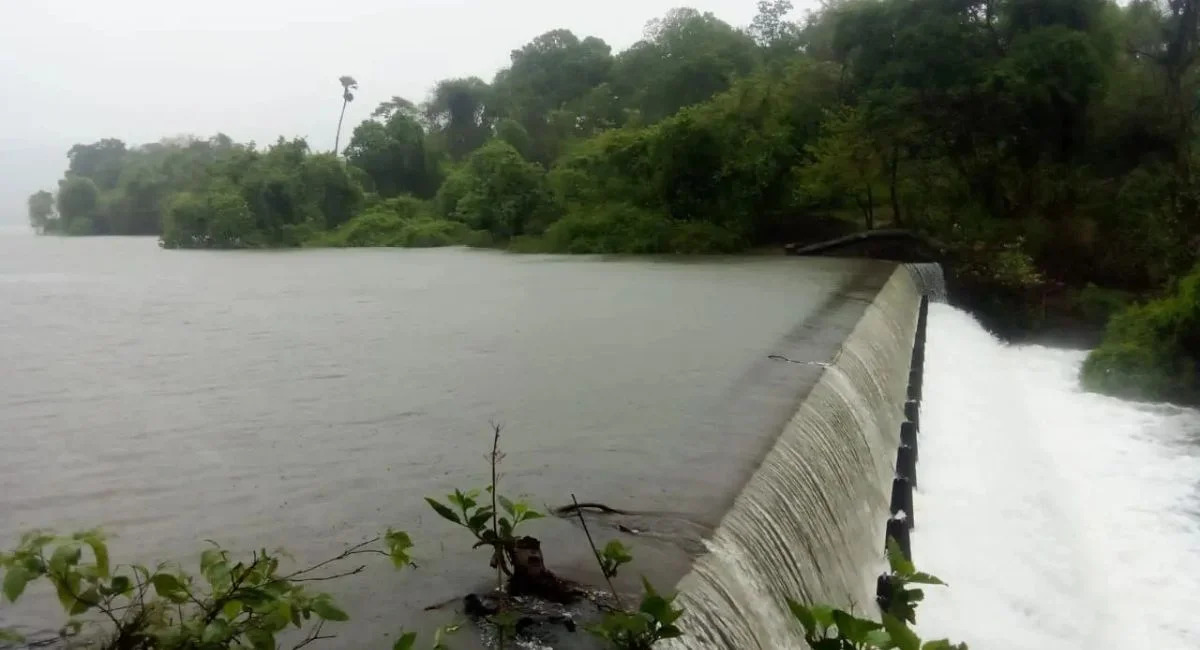
Mumbai’s seven drinking-water reservoirs held 13,87,126 million litres of useful water as of 6 am on September 4, keeping the city’s combined storage at 95.84% of capacity. The latest position offers a substantial buffer for households and businesses as the monsoon moves towards its final phase, while uneven rainfall across catchment areas continues to make water management important. The combined useful live storage capacity of the seven reservoirs is 14,47,363 million litres, leaving the system only marginally below full capacity. Upper Vaitarna recorded the highest rainfall during the 24 hours to September 4, receiving 42 mm. The overall figure, however, masks differences between individual reservoirs. Vehar was at 100% of useful storage, while Modak Sagar held 98.80%, Tansa 98.29%, Middle Vaitarna 97.47% and Bhatsa 95.98%. Tulsi stood at 96.99%, while Upper Vaitarna remained the lowest among the seven at 90.19%.
Upper Vaitarna’s position is particularly relevant because it received substantial rainfall but remained below its full supply level. Its storage was 2,04,781 million litres, compared with a useful capacity of 2,27,047 million litres. The reservoir’s level showed no change over the preceding 24 hours despite the rainfall. The latest Mumbai water stock figure also needs to be viewed against recent years rather than simply as a measure of whether the reservoirs are full. On September 4 last year, Upper Vaitarna, Modak Sagar and Tansa were marginally higher, while some other reservoirs recorded different levels. The comparison shows that a near-full system does not eliminate seasonal variations in inflows or the need for careful allocation.
The concentration of storage in Bhatsa also remains significant for Mumbai’s long-term water security. With more than 6.88 lakh million litres, Bhatsa accounts for almost half of the combined useful storage across the seven reservoirs. This makes conditions in its catchment particularly important for the resilience of the wider supply network. For citizens, high lake levels provide greater security against a prolonged dry spell after the monsoon. For city planners, the numbers underline a different challenge: maintaining reliable supply while rainfall becomes increasingly variable and urban demand continues to grow.
With reservoirs already close to their designed useful capacity, the focus will now shift from simply accumulating water to managing the stock efficiently through the dry months. Continued monitoring of rainfall, reservoir levels and consumption will remain central to Mumbai’s water resilience.