Pune Aerospace Manufacturing Gains A New Supply Hub
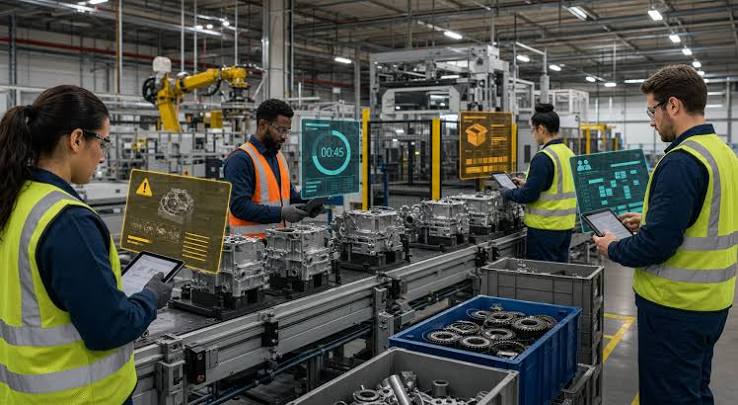
Pune: A new specialised manufacturing facility has begun operations in Pune, adding local assembly capacity for high-specification electrical connectors used in aerospace, aviation, defence and other demanding industrial applications. The facility, which started production on July 1, 2026, has already dispatched its first customer order, creating a new regional link in the supply chain for critical components.
The plant is the sixth production site of US-based interconnect supplier PEI-Genesis globally and its second in the Asia-Pacific region. Its establishment comes as India seeks to deepen domestic manufacturing capabilities in aerospace and defence, where dependable access to certified components can influence both production schedules and the cost of maintaining complex equipment. The Pune operation will undertake value-added assembly of circular MIL-DTL-38999 connectors, a military-standard product family designed for demanding environments where electrical connections must withstand factors such as vibration, moisture and temperature variation. The facility is certified to assemble specified Amphenol Socapex Series I and III connectors included on the US Department of Defense Qualified Parts List. A significant change for Indian buyers is the move towards holding inventory closer to the market. The facility will maintain locally stocked products from global connector manufacturers, reducing the need to rely entirely on overseas shipments for every requirement. The company says value-added orders can be supplied within 48 hours, while smaller orders can be handled with low or no minimum quantities.
For Pune’s industrial ecosystem, the development is less about the size of the facility and more about the role of specialised suppliers within a larger manufacturing network. Aerospace and defence production depends on thousands of components that must meet strict technical and traceability requirements. Local availability can reduce exposure to shipping disruptions, customs delays and fluctuations in international logistics costs. The expansion also has implications for India’s localisation drive. Domestic assembly does not automatically mean domestic production of the underlying components, and a resilient supply chain ultimately depends on developing capabilities across design, materials, certification, manufacturing and testing. Industry experts therefore see local value addition as one stage in a broader industrial-development process rather than an end point.
Pune’s established engineering base, skilled workforce and proximity to major industrial clusters provide a practical setting for such specialised activity. However, the longer-term economic benefit will depend on whether this capacity connects with Indian aerospace, defence and advanced-manufacturing suppliers and encourages deeper local sourcing. The immediate gain is greater supply flexibility. The larger test will be whether Pune can continue moving up the value chain, building an industrial ecosystem that is not only faster to supply but also technically capable, resource-efficient and resilient to future disruptions.