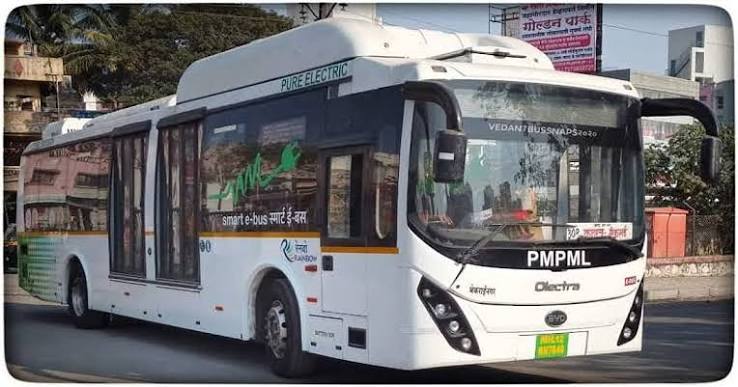
Pune’s public bus system is retaining a single fare structure across air-conditioned and non-air-conditioned services as the city prepares for a major fleet expansion. The approach keeps cleaner and more comfortable buses within the same basic fare framework, while daily ridership remains above 11 lakh. The policy comes as Pune works to strengthen buses alongside Metro services and address persistent gaps in frequency and fleet capacity.
The Pune bus fares strategy is significant because affordability remains closely linked to public transport usage. Recent data from a PMPML transit study found that although about 94% of residents in Pune and Pimpri-Chinchwad can reach public transport within a five-to-10-minute walk, only 21% have access to buses arriving every five minutes. That gap means fleet size alone will not determine whether the system attracts more passengers. Frequency, reliability, comfortable stops and connections with Metro and other modes are equally important. For commuters, a bus that is affordable but arrives infrequently may still be an impractical alternative to private vehicles. PMPML’s electrification is adding another dimension to the strategy. The transport utility has been expanding its electric fleet, while further electric and CNG buses are planned. The latest fleet expansion plans are aimed at increasing capacity as Pune’s population and travel demand continue to grow.
Keeping Pune bus fares uniform can also simplify passenger choice. Instead of making commuters weigh the cost of an air-conditioned service against a conventional bus, passengers can select services based on availability and route. From an urban mobility perspective, this can help buses function as a common public service rather than a tiered system divided by ability to pay. However, affordability must be matched by dependable operations. PMPML currently faces pressure from congestion, breakdowns and an insufficient operational fleet. Recent reporting has highlighted that only around 1,700–1,800 of roughly 2,000 buses are operating daily, while average ridership remains around 11–12 lakh passengers. Infrastructure will become another constraint as electrification accelerates. Electric buses require charging capacity, depot space and reliable power connections. Pune’s transport planning will therefore need to coordinate land, charging infrastructure and route design rather than treating bus procurement as a standalone exercise.
The financial challenge is equally important. PMPML continues to incur operational losses, with the transport body increasingly looking towards non-fare revenue and better use of its land and assets instead of repeatedly increasing passenger fares. For Pune, the next test is whether fleet expansion can translate into shorter waiting times, safer boarding and more reliable journeys. Keeping fares accessible can support that transition, but the long-term success of the city’s bus network will depend on making public transport frequent, dependable and convenient enough to remain the first choice for everyday travel.