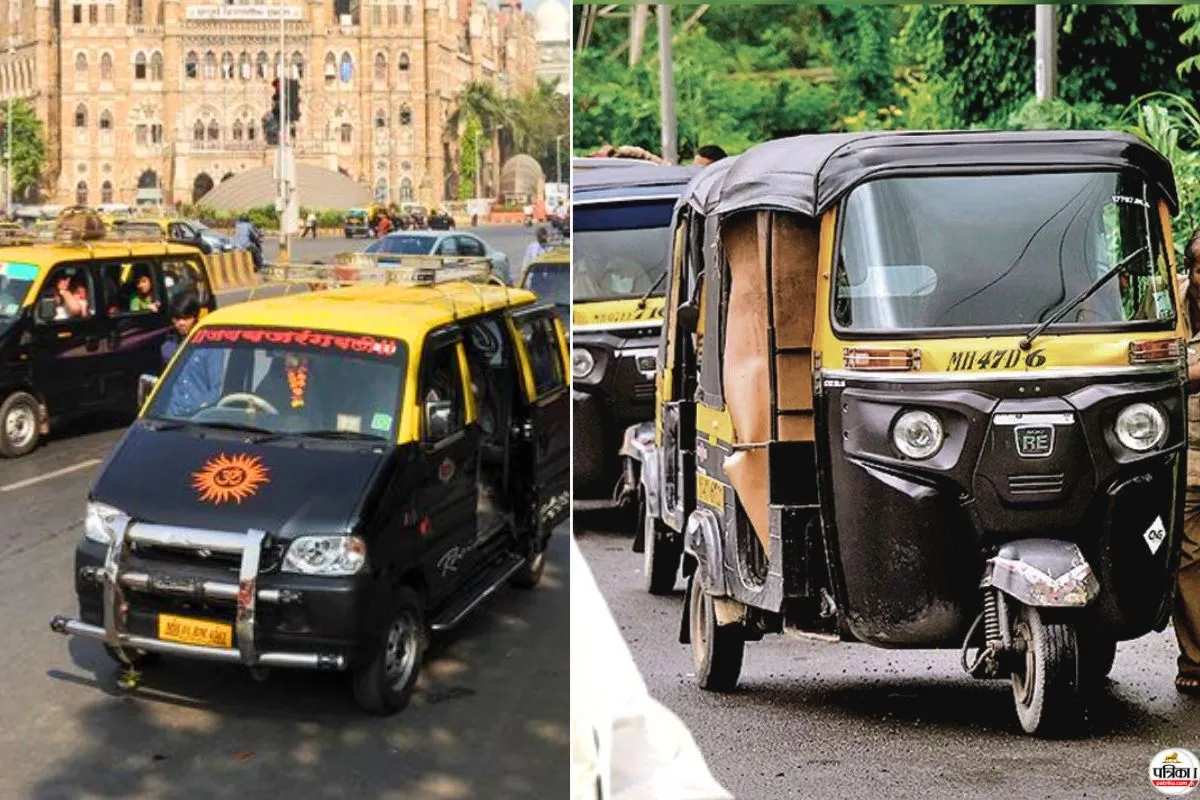
Mumbai Metropolitan Region commuters will pay more for auto-rickshaw and black-and-yellow taxi journeys from September 1, after the regional transport authority approved a fare revision following an increase in compressed natural gas prices. The minimum auto fare has risen to ₹27 and the taxi fare to ₹33 for the first 1.5 km. The change affects a large share of the region’s everyday public transport network and could add pressure to household travel budgets. The revised structure increases the auto-rickshaw rate to ₹18.22 per km from ₹17.14, while the taxi rate moves to ₹21.90 from ₹20.66. The immediate trigger is a ₹2 per kg increase in CNG prices, which has taken the fuel price to ₹88 per kg across the MMR.
The Mumbai Metropolitan Region Transport Authority approved the revision using the fare-setting framework developed by the Khatua committee. The formula considers fuel prices alongside other operating expenses, providing a mechanism to periodically adjust fares as the cost of running commercial passenger vehicles changes. The increase follows an 18-month gap since the previous revision. Auto-rickshaw and taxi fares were last raised in February 2025, when the minimum fare for both modes increased by ₹3. The scale of the network makes even a small adjustment significant. The MMR has more than 450,000 auto-rickshaws and over 50,000 black-and-yellow taxis, with most operating on CNG. These vehicles provide crucial first- and last-mile connections between homes, railway stations, Metro corridors and workplaces, particularly in areas where fixed-route public transport does not reach directly.
For commuters, the impact will vary according to journey length and frequency. A modest increase on an individual trip can become a meaningful monthly expense for workers who depend on autos for station access or daily short-distance travel. Industry observers say fare revisions therefore need to balance rising operating costs for drivers with affordability for passengers. The revised Mumbai auto taxi fares also highlight the broader economics of urban mobility. CNG remains a lower-emission fuel than petrol and diesel for many vehicle applications, but fuel-price increases can still affect the cost of maintaining an accessible shared transport system. Over time, stronger public transport integration and affordable feeder services could reduce dependence on individual auto and taxi trips without undermining driver livelihoods. Drivers can apply the new rates after electronic meters are recalibrated or by displaying the approved fare chart. They have until the end of November to complete meter recalibration, with penalties possible for vehicles that miss the deadline.
The next challenge is enforcement. Clear fare displays, functioning meters and accessible complaint mechanisms will be important to ensure that the higher Mumbai auto taxi fares translate into predictable charges rather than additional uncertainty for passengers.