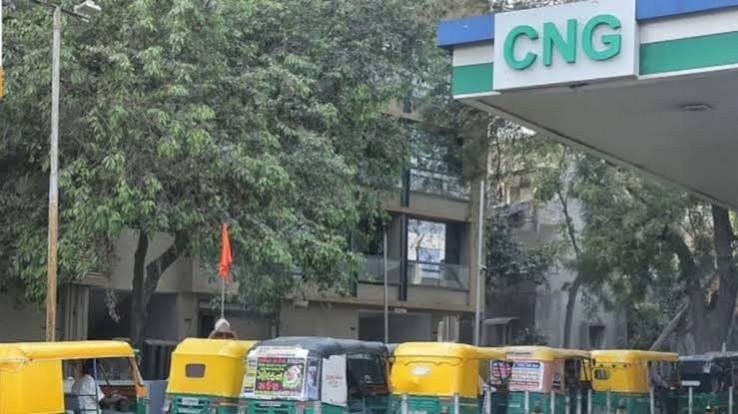
Pune CNG Gets Costlier Amid Global Supply Pressures
Pune: CNG users across Pune and surrounding industrial corridors are paying more for fuel from September 1, after Maharashtra Natural Gas Limited raised the retail price by ₹2 per kg. The revised rate of ₹97.75 applies across Pune, Pimpri-Chinchwad, Hinjewadi and Chakan, adding to operating costs for motorists and commercial transport users while highlighting the vulnerability of urban fuel prices to international gas markets.
The increase takes the previous rate of ₹95.75 per kg to ₹97.75. The revision also covers Talegaon and other adjoining areas supplied through the Pune gas distribution network. MNGL’s official rate information had listed ₹95.75 per kg for the Pune and PCMC areas following its June revision. The immediate pressure comes from the international LNG market. MNGL has linked the latest increase to disruption affecting LNG cargo movements through the Strait of Hormuz amid renewed West Asia tensions. The company has also pointed to stronger European demand for gas storage before winter, adding pressure to global supplies. For Pune, the impact extends beyond private car owners. CNG is widely used by auto-rickshaws, taxis and other commercial vehicles, meaning a higher fuel bill can directly affect daily operating margins. Operators facing narrow margins may eventually pass part of the increase through fares, although the extent of any such impact will depend on competition, demand and local fare structures.
The price change also exposes a less visible challenge for cities that rely heavily on gas as a relatively affordable transport fuel. MNGL says rising Indian CNG consumption has increased the requirement for imported spot LNG, leaving part of the supply chain exposed to international price volatility. Even after the increase, CNG remains cheaper than petrol and diesel in Pune for several vehicle categories. MNGL estimates savings of roughly 45% against petrol and 23% against diesel for passenger cars, while the difference for autorickshaws is around 25% compared with diesel. For urban policy, however, the latest Pune CNG prices raise a broader question about the resilience of transport systems built around a single fuel pathway. CNG can reduce dependence on petrol and diesel, but it is still a fossil fuel and its economics remain linked to global gas markets.
Domestic piped natural gas prices have not been increased alongside the vehicle-fuel revision. For commuters and transport operators, the immediate concern is affordability. For the city, the longer-term task is to diversify mobility through reliable public transport, walking and cycling infrastructure and cleaner zero-emission options, reducing both household exposure to fuel shocks and Pune’s dependence on volatile energy markets.
Pune CNG Gets Costlier Amid Global Supply Pressures