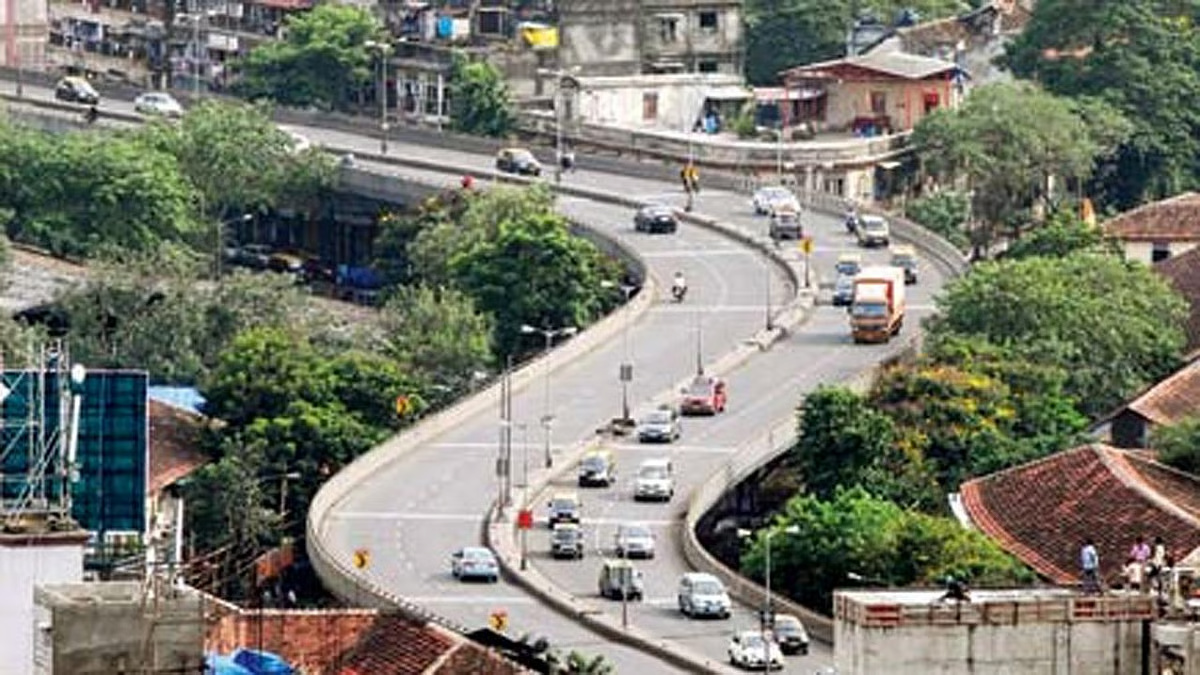
Mumbai Lalbaug Bridge Barriers Face Public Scrutiny
The installation of barricades and green-cloth view-cutters on Mumbai’s Lalbaug bridge ahead of Ganpati celebrations has prompted questions over how civic infrastructure is being used during major public events. The bridge was closed in both directions during Saturday’s Aagman ceremony, raising debate over whether additional visual barriers were necessary once pedestrian access had already been restricted. The arrangements were introduced as part of preparations for large crowds expected around prominent Ganesh mandals in Lalbaug. Civic authorities have indicated that the barriers were intended to discourage people from stopping on the bridge, climbing or leaning against railings and attempting to watch processions from elevated and potentially unsafe positions.
From a public-safety perspective, restricting access to a bridge during a high-footfall procession can reduce crowd pressure on a structure and limit the risk of falls or sudden crowd movement. However, the use of view-cutters alongside a complete closure has led residents and citizens to question whether the spending delivers an additional safety benefit. Mumbai Lalbaug view cutters also raise a wider question about how cities manage temporary infrastructure during festivals. Large religious gatherings can place unusual pressure on roads, bridges, pavements and public transport. Measures introduced for a few hours or days therefore need to balance safety with efficient use of public funds and the everyday movement of residents. Urban planners note that crowd management works best when physical restrictions are supported by clear pedestrian routes, advance communication and adequate space for people to disperse. Simply adding barricades can shift congestion to adjoining streets if alternative movement corridors are not planned properly.
The Lalbaug situation is particularly relevant because the area becomes a major pedestrian and traffic node during the Ganpati season. Temporary installations can affect visibility, footpath movement and access for emergency services. They can also create additional material waste if large quantities of cloth, metal barricades and other temporary equipment are installed and removed repeatedly without a clear reuse system. For Mumbai, the issue goes beyond one bridge or one festival procession. As the city hosts increasingly large public events, civic agencies face the challenge of designing crowd-control systems that are proportionate, reusable and accessible. Mumbai Lalbaug view cutters may serve a safety purpose in specific circumstances, but their value should be assessed alongside the broader closure and crowd-management plan.
The immediate priority remains safe movement for devotees, residents and emergency personnel. Longer term, transparent planning around temporary infrastructure could help Mumbai improve festival safety while ensuring public resources are used efficiently.