Mumbai Lake Levels Near Full Capacity After Monsoon
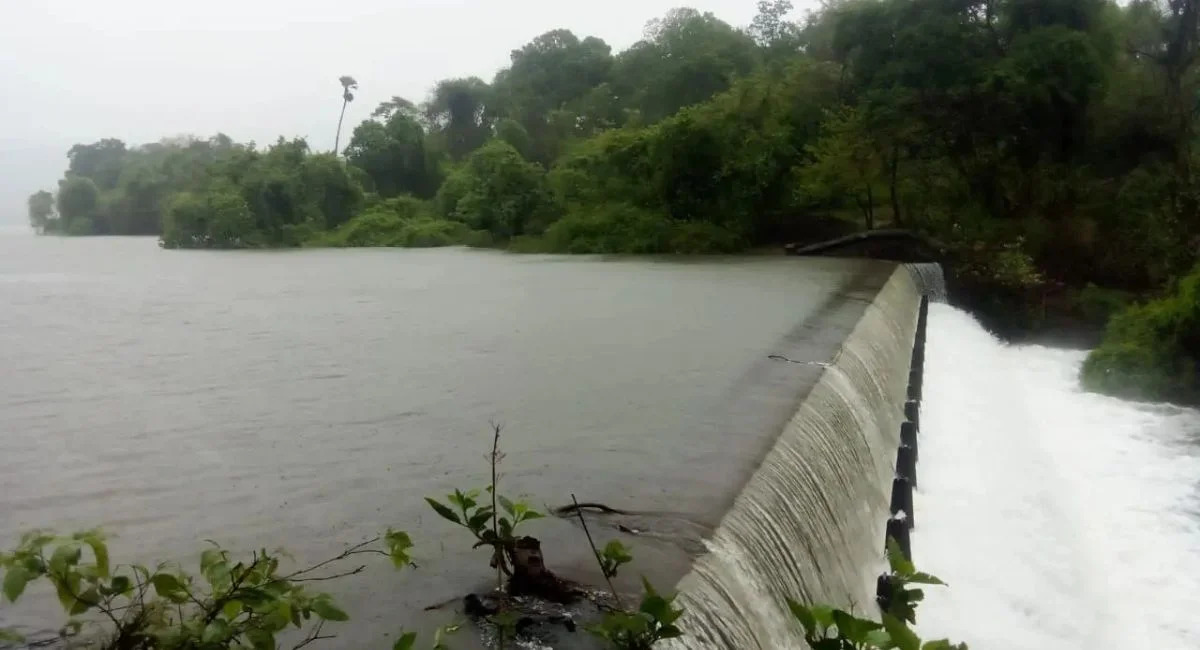
Mumbai’s reservoir system is entering the final phase of the monsoon with its seven lakes holding 95.93% of their combined live storage capacity. The stock reached 13,88,423 million litres as of 6am on August 30, providing a strong buffer for the city’s drinking-water needs. Yet the year-on-year comparison shows why storage levels must be viewed alongside rainfall patterns and longer-term water resilience. The latest Mumbai lake levels data from the civic administration show that the reservoirs are only marginally below their position in 2024, when combined storage stood at 95.94%. The gap is wider against 2025, when the lakes held 14,00,995 million litres, equivalent to 96.80% of live capacity at a comparable point.
The numbers indicate that Mumbai has secured a substantial water reserve despite variations in monsoon performance. Vihar is currently at full capacity, while Upper Vaitarna, the lowest among the seven major reservoirs, stands at 89.76%. The distribution matters because the reservoirs do not fill at the same rate and rainfall is uneven across their catchments. For residents, high reservoir storage reduces the immediate likelihood of water shortages in the months following the monsoon. It also gives the civic administration greater flexibility in managing supply through the drier period. However, strong storage does not eliminate the need to manage consumption, leakage and distribution losses across the wider network. The current Mumbai lake levels also highlight the importance of protecting the catchment areas that feed the city’s reservoirs. Urban expansion, construction and ecological degradation around water-sensitive landscapes can affect how effectively rainfall reaches storage systems. Maintaining forests, wetlands and natural drainage channels can help improve infiltration while reducing downstream flood pressure.
The water position also has an economic dimension. Reliable municipal supply supports households, hospitals, businesses, construction activity and public institutions. A more secure reserve can reduce the disruption and additional costs associated with emergency water-management measures, particularly during prolonged dry periods. At the same time, comparing annual storage percentages alone can obscure broader changes in Mumbai’s water environment. Climate variability can produce heavier short-duration rainfall alongside longer dry intervals. Such patterns make it increasingly important for planners to combine reservoir management with demand forecasting, watershed protection, rainwater harvesting and efficient distribution infrastructure.
With the lakes now close to their combined capacity, the immediate water-supply outlook is relatively comfortable. The next challenge is converting a strong monsoon reserve into year-round resilience. For Mumbai, that means protecting the landscapes that replenish its reservoirs while ensuring that available water is used efficiently across a rapidly growing metropolitan economy.