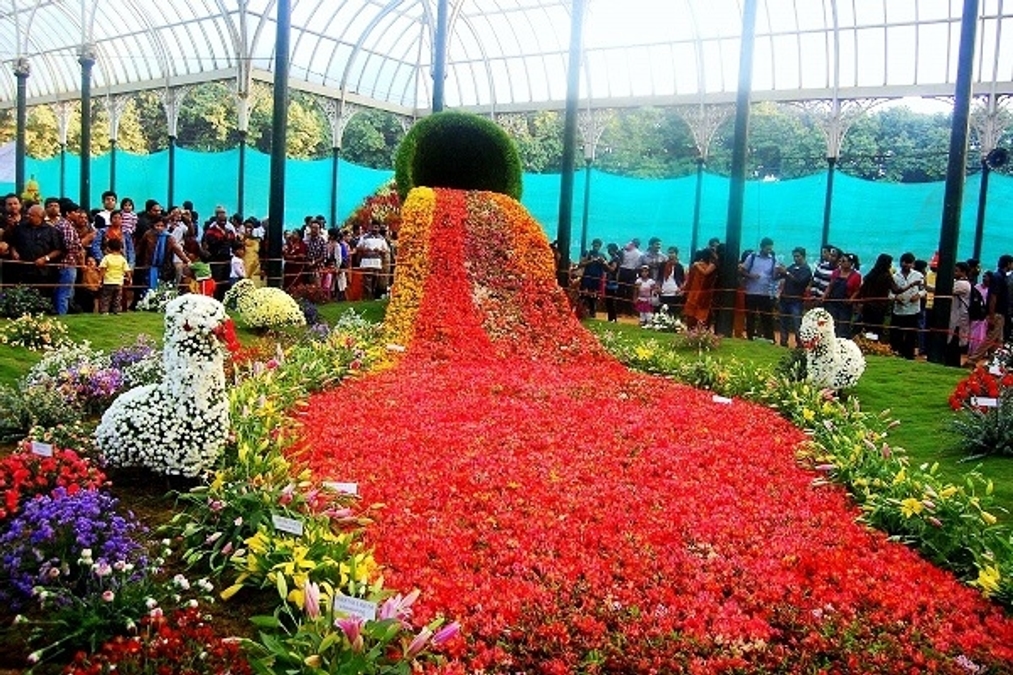
Bengaluru Lalbagh Sees Growing Push To Protect Park Land
Bengaluru’s environmental groups and citizen collectives are stepping up opposition to a proposed change in Karnataka’s parks law, with a human chain planned at Lalbagh as concerns grow over allowing portions of protected parkland to be used for infrastructure. The dispute has widened beyond one project, raising questions about how a rapidly urbanising city should balance transport expansion with its shrinking network of public green spaces.
The Karnataka Government Parks (Preservation) Amendment Bill, 2026, passed by the state legislature on August 24, would permit up to 5% of a government park or garden to be used or transferred for specified public infrastructure and utility purposes. The provision covers projects undertaken by government departments, statutory authorities, government companies and local bodies, with a high-level committee involved in recommending land use. Citizen groups argue that the change could weaken an important layer of protection around urban green spaces. Their concern is not limited to the immediate amount of land involved. They say establishing a legal mechanism for diverting parkland could make future projects easier to justify, particularly in a city where development pressure is already intense. A petition opposing the change has reportedly gathered more than 4,000 signatures. The proposed Bengaluru parks amendment has also become closely linked with the proposed North-South Twin Tunnel Road. The project, planned between Hebbal and Central Silk Board, has faced separate legal challenges.
A representation submitted to the Governor claimed that about 1.92 hectares, or nearly five acres, of Lalbagh could be required for tunnel and shaft-related works. These figures and project requirements remain part of an ongoing public and legal debate rather than settled findings. The stakes extend beyond Lalbagh. Bengaluru has about 1,353 parks covering approximately 1,308 acres, according to figures cited in representations against the amendment. Environmental groups have pointed to the role of green spaces in moderating urban heat, supporting biodiversity, managing rainwater and providing accessible recreational areas. Research cited by citizen groups indicates that neighbourhoods with green spaces can experience lower temperatures than surrounding built-up areas. For urban planning, the central issue is therefore whether infrastructure needs can be met without progressively reducing the city’s ecological assets. Transport projects can deliver economic value through faster movement, but parks also provide infrastructure of a different kind: cooling, drainage, recreation and public health benefits that are difficult to replace once lost.
The Bengaluru parks amendment is now likely to remain under close public scrutiny as stakeholders seek greater clarity on safeguards, alternative project alignments and environmental assessments. The next phase will determine whether the city can expand essential infrastructure while retaining the green spaces that make dense urban growth more liveable.