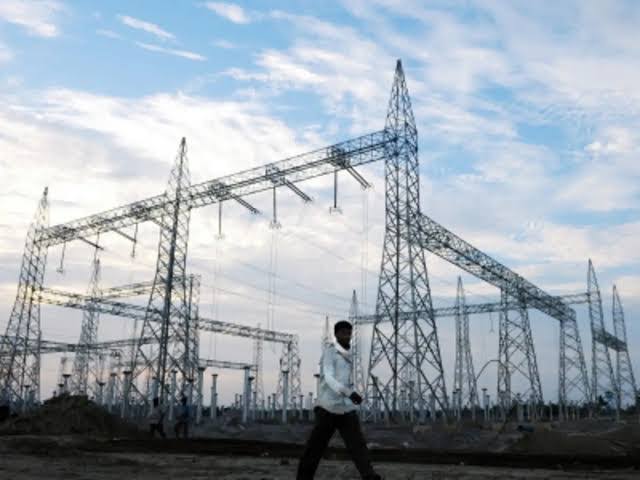
HYDERABAD: Telangana’s electricity system is facing an unusual monsoon test after peak demand climbed to 17,085 MW on August 14, driven by increased irrigation pumping, warmer conditions and weaker rainfall. The surge is significant for the state’s finances and climate resilience, as lower hydropower availability is increasing dependence on costlier short-term electricity purchases.
The immediate pressure is coming from agriculture. With rainfall remaining below normal, farmers in several parts of the state have relied more heavily on borewells and electric pump sets to protect kharif crops. Telangana’s cumulative monsoon rainfall was 12% below normal as of August 19, while August rainfall itself was running 31% below its normal level at that point. That makes Telangana power demand more sensitive to weather conditions than it would typically be during the rainy season. Agricultural consumption is estimated to account for roughly 6,500–7,000 MW a day between August and November, according to the reported assessment. Residential cooling and commercial activity are adding another layer of demand. The challenge is also linked to the state’s generation mix. Lower reservoir availability has limited hydropower output, leaving thermal generation, solar power and electricity bought from the market to balance the system. The wider national market has also experienced firmer power demand this monsoon as delayed rainfall and above-normal temperatures sustain consumption.
For consumers, the issue is not simply whether electricity remains available. Higher reliance on short-term purchases can raise procurement costs, while prolonged dependence on thermal generation can increase the carbon intensity of the power system. Telangana’s official power statistics show that the state already relies on a combination of thermal, hydel and purchased electricity to meet demand. The latest peak should also be viewed in context. While 17,085 MW represents an exceptional monsoon demand level, it is not Telangana’s all-time peak. State data records a higher annual maximum of 18,548 MW in March 2026.
For urban areas, rising Telangana power demand highlights the need to treat energy resilience as part of climate planning. Efficient buildings, better cooling design, rooftop solar, storage and demand-management measures can reduce pressure during extreme conditions without compromising access. The immediate priority remains reliable supply through the remaining kharif season. Over the longer term, however, the state’s ability to manage increasingly weather-sensitive demand will depend on diversifying clean generation, strengthening the grid and reducing avoidable consumption.