Bengaluru RRTS Plans Remain Without Approved Corridors
Bengaluru’s proposed Regional Rapid Transit System (RRTS) network remains at the proposal stage, with no corridor receiving formal approval despite the Karnataka government’s push for regional rail links. The development puts renewed focus on how the city can shift daily travel from congested highways to high-capacity public transport as Bengaluru’s metropolitan footprint expands beyond its municipal boundaries.
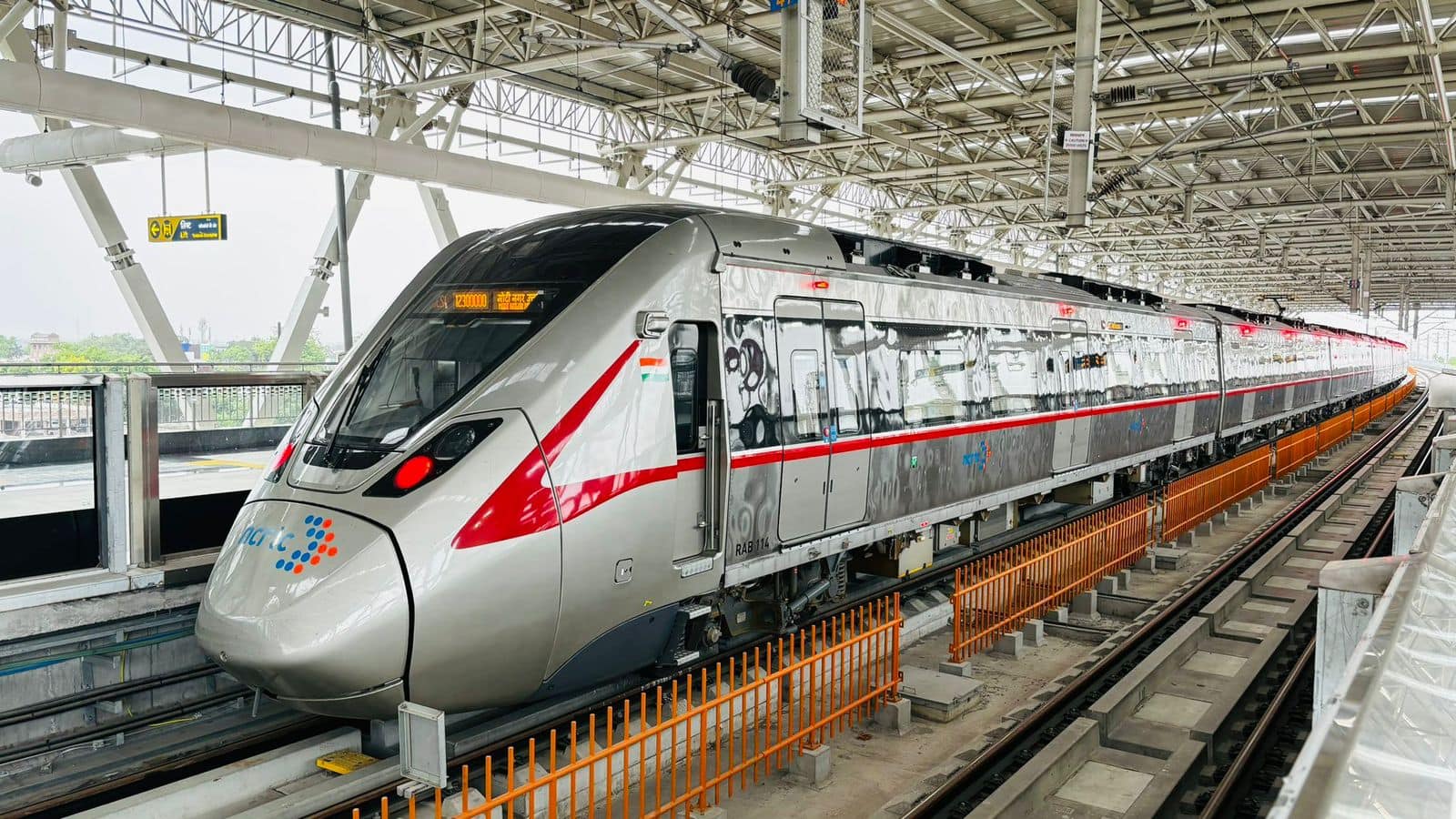
The state has proposed RRTS connections from Bengaluru towards Mysuru, Kanakapura, Tumakuru, Chikkaballapura and Kolar. The corridors are intended to improve links between the capital and surrounding urban centres, where a substantial number of workers and students travel into Bengaluru for employment and education. The proposal gained fresh momentum in June, when the state government sought Union approval for the corridors alongside several other major transport projects. The request positioned regional rail as part of a wider strategy to address congestion and strengthen connections between Bengaluru and neighbouring cities. However, the absence of an approved corridor means detailed planning, financing and implementation cannot move into the same stage as an operational project. This is significant because RRTS requires substantial investment in dedicated infrastructure, stations, rolling stock, signalling and integration with existing transport systems. The experience of the Delhi-Ghaziabad-Meerut RRTS illustrates the potential scale of such a network. The 82.15-km corridor is now fully operational, and the Centre says more than 3.8 crore passenger journeys have been recorded since services began.
The system has also been integrated with Metro, railway and bus networks, demonstrating the importance of connections beyond the regional rail line itself. For Bengaluru, the larger question is whether regional rail can be developed as an alternative to long-distance car and bus commuting rather than as another isolated transport system. Stations need convenient links to Metro, suburban rail, buses, cycling infrastructure and pedestrian routes. Without this integration, faster trains could still leave passengers dependent on private vehicles for the first and last mile. Regional connectivity also has implications for housing. Reliable high-capacity transport can make employment opportunities accessible from satellite towns and peripheral districts, potentially reducing pressure on Bengaluru’s most expensive and congested neighbourhoods. But that benefit depends on coordinated land-use planning around stations, with affordable housing and essential services included alongside commercial development. The latest position therefore leaves Karnataka with a significant planning task. Before construction begins, the proposed corridors need clear feasibility assessments, demand projections, funding arrangements and integration plans.
Public transport investments of this scale also require transparent evaluation of costs against expected passenger demand and environmental benefits. Bengaluru’s congestion challenge is increasingly regional rather than confined to the city itself. If RRTS is eventually approved, its success will depend not simply on building faster trains but on creating a connected metropolitan transport system that makes sustainable regional commuting practical, affordable and reliable.