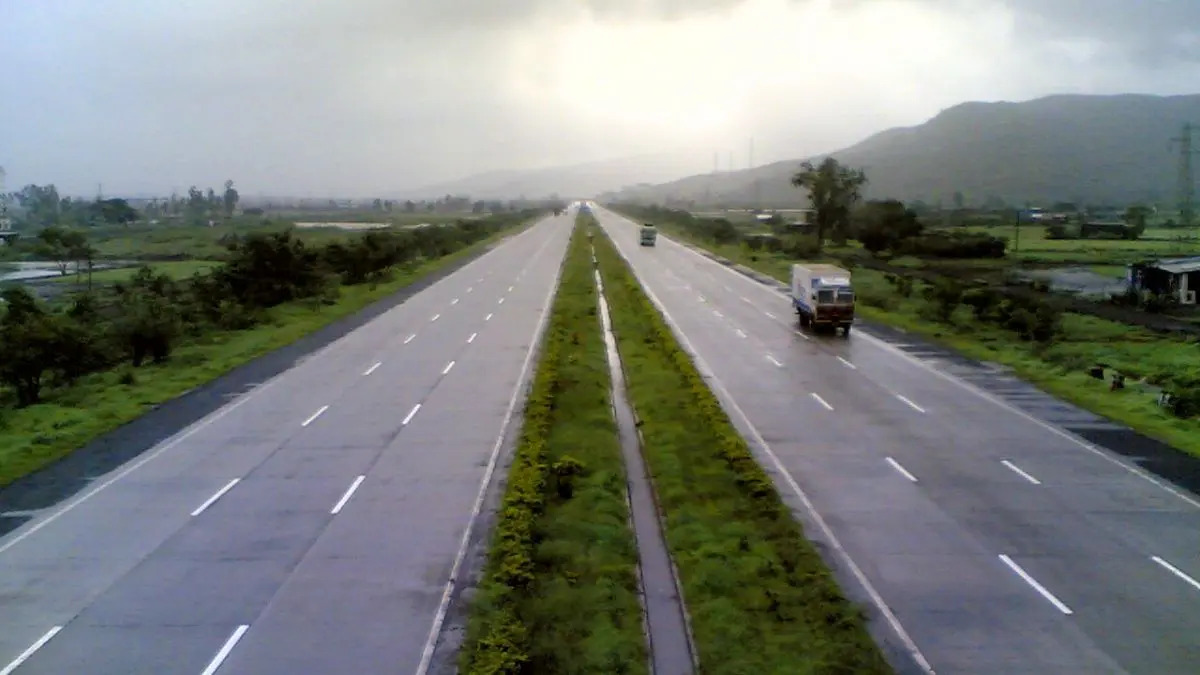
Mumbai Delhi Mumbai Expressway Moves Closer To Full Link
The Delhi-Mumbai Expressway has entered another operational phase in Gujarat, with about 55 km between Limkheda and Godhra now carrying vehicles on a trial basis. The opening strengthens connectivity across central Gujarat and brings another section of the Delhi-Vadodara corridor into use, although unfinished safety infrastructure and a missing link towards Madhya Pradesh mean the wider route is not yet continuous. The newly accessible section covers Packages 27 and 28, extending from the Hathidhara interchange near Limkheda towards Godhra. Package 27 spans roughly 29 km, while Package 28 covers about 26 km. The two sections form an important part of the eight-lane, access-controlled corridor being developed to improve long-distance movement between major economic regions.
The trial opening comes as other portions of the Gujarat network advance. The Godhra-Vadodara section was opened for trial traffic in April, creating a more connected expressway corridor through central Gujarat. However, the Mumbai Delhi Mumbai Expressway remains incomplete at a strategically important point. Package 26, running towards the Gujarat-Madhya Pradesh border, continues to be the principal missing section in this part of the corridor. Earlier project updates placed Packages 27 and 28 among the advanced sections, while Package 26 remained under construction. For freight operators and private motorists, that gap matters. Until the border section is commissioned, vehicles travelling beyond Limkheda towards Madhya Pradesh must leave the expressway and use an alternative route before reconnecting with the corridor. This reduces some of the time and efficiency gains expected from an uninterrupted access-controlled highway.
The trial phase also exposes the practical requirements of operating a new expressway. The Limkheda toll facility is not yet fully operational, with electronic systems, surveillance equipment and electrical works still being completed. Passenger amenities such as fuel stations, food outlets and vehicle-repair facilities are also yet to be established along the newly accessible section. Safety remains another concern. A diversion near the Piplod hill area is being maintained while slope-protection work continues. Protective netting is being installed following landslide incidents during construction. Two-way traffic is temporarily being routed along one side of the carriageway in the affected area. The Mumbai Delhi Mumbai Expressway is also designed around controlled access, making compliance essential during the trial period. Reports of pedestrians, two- and three-wheelers, livestock and vehicles stopping on the carriageway underline the need for enforcement before traffic volumes rise. For Gujarat, the expanding corridor could support faster movement of goods, improve links between industrial centres and reduce dependence on slower routes. Its longer-term value, however, will depend on completing the remaining links, strengthening safety systems and providing basic traveller infrastructure.
The Limkheda-Godhra opening is therefore an important step, but not the finish line. The completion of Package 26 and full commissioning of supporting facilities will determine when this part of the national expressway network can deliver its intended regional connectivity.