Hyderabad Krishna Water Talks Put Drinking Needs First
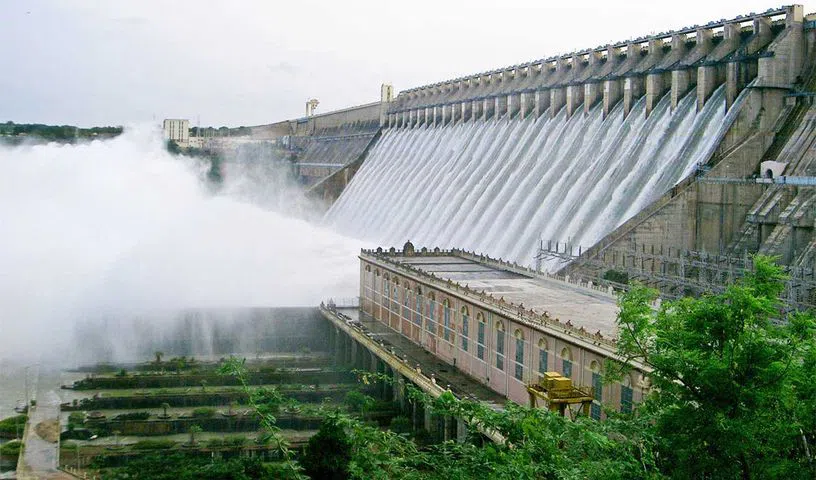
HYDERABAD: A fresh dispute over the use of Krishna river water has pushed Telangana and Andhra Pradesh towards another round of negotiations, with the Krishna River Management Board (KRMB) deferring a decision on releases from the Srisailam and Nagarjuna Sagar reservoirs. With water availability under pressure, the board has placed drinking water requirements ahead of other demands and scheduled its next review for September 4.
The KRMB’s three-member committee examined reservoir availability and the immediate drinking water requirements of both States at a meeting in Hyderabad. The discussions took place against the backdrop of El Niño conditions, which have raised concerns over water availability during the remaining period of the season. Telangana proposed that water released from Srisailam and Nagarjuna Sagar for drinking purposes should be maintained on an equal basis between the two States. Andhra Pradesh, meanwhile, sought 47 TMCft to meet its requirements through October, including drinking water needs in Palnadu and Rayalaseema. The competing demands highlight the difficulty of managing a shared river system when reservoir storage and future inflows remain uncertain. Decisions on releases have consequences not only for drinking water but also for irrigation, urban supply and the wider agricultural economy in both States.
A separate disagreement has emerged over the Pothireddypadu Head Regulator, an important diversion point in Andhra Pradesh’s Krishna water system. Telangana officials objected to Andhra Pradesh’s utilisation through the regulator and alleged that around 10 TMCft had already been used beyond its entitlement. A complaint has been submitted to the KRMB. Andhra Pradesh officials disputed that position, maintaining that Telangana had agreed to the State using 22 TMCft through Pothireddypadu. The two sides therefore remain divided over both the interpretation of earlier arrangements and the quantities that can be drawn during the current water year. The immediate decision to prioritise drinking water reflects a wider shift in water management as climate variability makes seasonal planning less predictable. For Hyderabad and other urban centres dependent on reservoir systems, reliable drinking water supplies increasingly require careful coordination between storage levels, releases and competing sectoral demands.
The September 4 meeting will be important because the KRMB is expected to reassess drinking water requirements alongside projected availability. Any further allocation will need to account for actual reservoir conditions rather than relying solely on historical patterns. The dispute also underlines the need for stronger, transparent mechanisms to monitor interstate water use. For both Telangana and Andhra Pradesh, predictable allocations and real-time reservoir data will be increasingly important as demand rises and climate uncertainty complicates the management of the Krishna basin.