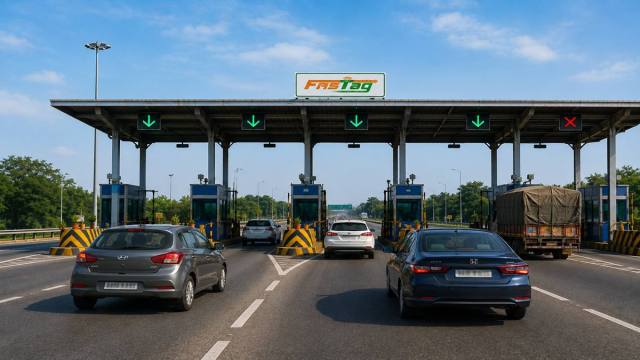
Regular commuters using five toll plazas in Karnataka will have access to a new FASTag-based local pass facility, potentially reducing the friction and recurring cost associated with frequent toll payments. The move is particularly relevant for people travelling repeatedly between Bengaluru and surrounding areas, where toll roads form part of everyday work, education and commercial journeys.
The new facility allows eligible local users to obtain a monthly pass through the FASTag system rather than relying on conventional toll-payment arrangements. The initiative covers five toll plazas in Karnataka, expanding the use of digital toll infrastructure for frequent travellers. Bengaluru toll plazas, the change could make regular road travel more predictable. Commuters who cross the same toll points repeatedly can face a cumulative financial burden under standard per-trip charges. A local pass provides an alternative structure for eligible users whose travel patterns are consistent. The development also reflects the growing role of FASTag in India’s road-payment system. Electronic toll collection has reduced the need for cash transactions at toll booths, while automated identification can improve throughput and reduce vehicle queues. Adding local-pass functionality extends that digital infrastructure beyond simple transaction processing.The wider mobility impact, however, depends on how the system is implemented. Clear eligibility criteria, simple registration and reliable recognition at toll points will be important if frequent commuters are to experience a genuine reduction in delays.
Technical failures or unclear procedures could undermine the convenience promised by a digital system. There is also an affordability dimension. Bengaluru’s outward growth has pushed many workers and households towards peripheral locations where housing can be relatively more accessible but daily commuting distances are longer. Toll charges can therefore become an additional cost of accessing jobs and services in the metropolitan core. For Bengaluru toll plazas, the local-pass model may provide short-term relief for some road users, but it does not address the underlying dependence on long-distance private-vehicle travel. A resilient metropolitan transport system needs reliable alternatives, including buses, suburban rail and metro connectivity, so that households are not forced to absorb rising road and travel costs simply to reach employment centres.The policy also raises questions about how toll revenue and road investment should evolve as electronic collection becomes more sophisticated. Transparent use of toll revenues and clear communication about road maintenance can strengthen public confidence in user-funded infrastructure.From an environmental perspective, smoother toll processing can reduce idling at booths, although the larger emissions impact will depend on traffic volumes and vehicle kilometres travelled. Reducing congestion through better public transport and integrated regional mobility would deliver a more substantial long-term benefit.
The local FASTag pass is therefore a useful operational improvement for frequent road users, but its broader value will depend on how it fits into Bengaluru’s evolving mobility network. As the metropolitan region expands, affordability, travel reliability and access to alternatives will matter as much as faster toll payments.