Bengaluru Rain Forecast Puts Urban Resilience In Focus
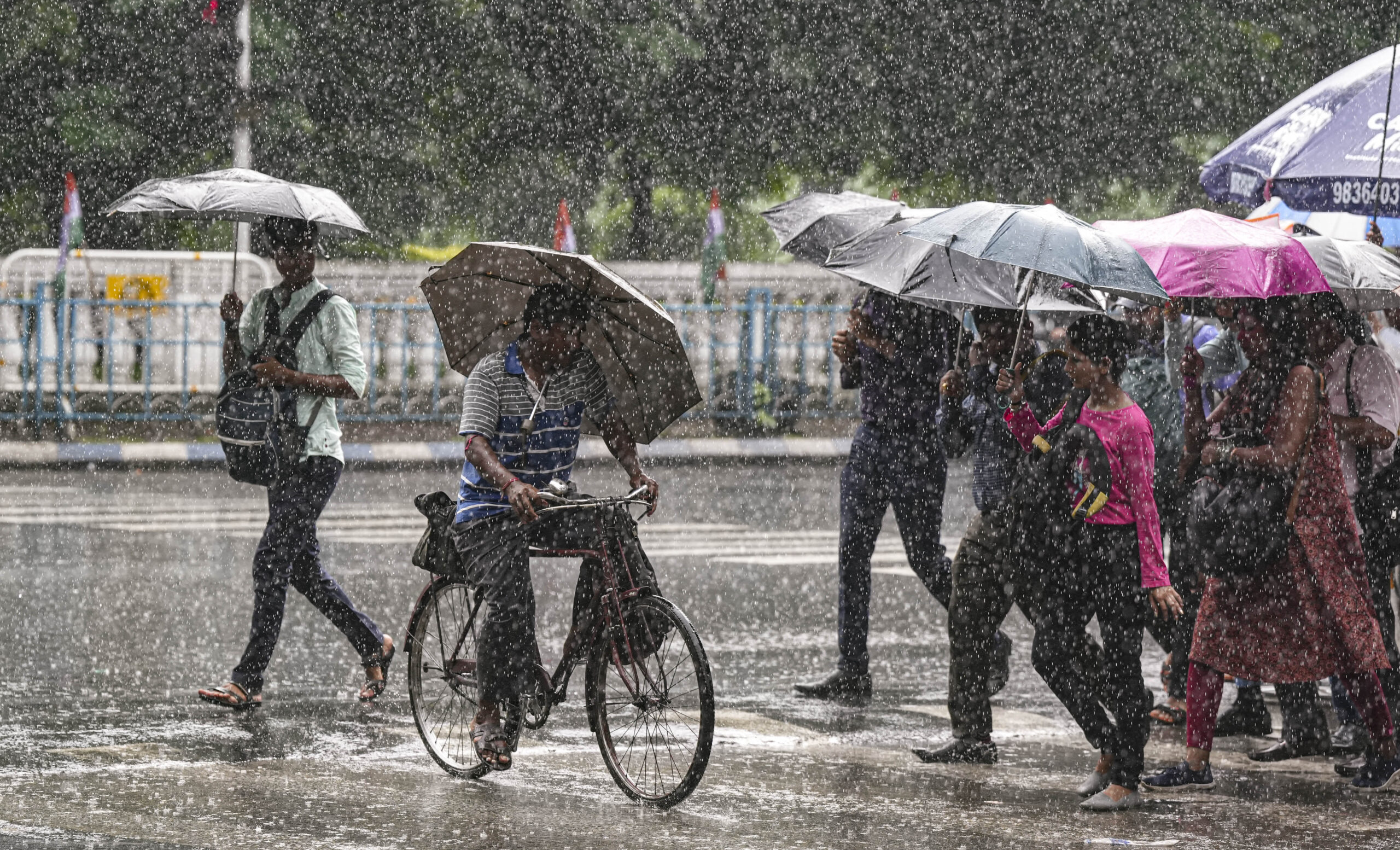
Bengaluru is likely to remain under a spell of cloudy and rainy weather as monsoon activity continues across Karnataka, with thunderstorms and gusty winds possible in parts of the state. The forecast comes at a critical point for the city, where even moderate bursts of rain can affect traffic, drainage and pedestrian movement, making weather preparedness an increasingly important part of urban planning.
The latest outlook indicates rainfall activity across South Interior Karnataka, with the India Meteorological Department warning of heavy rain in parts of the region on August 25. Thunderstorms, lightning and strong surface winds are also possible in some areas. Bengaluru is expected to see generally cloudy conditions with intermittent rain or thunderstorms. For the city, the Bengaluru rain forecast matters less as a question of whether rain will fall and more in terms of how quickly the urban system can absorb it. Roads, construction sites, underpasses and low-lying neighbourhoods can experience localised disruption when intense showers arrive within a short period. Bengaluru’s expanding built-up area has increased the amount of hard surface across the metropolitan region. Roads, parking areas and buildings prevent rainfall from naturally entering the soil, directing more runoff towards drains and low-lying areas. This makes the condition and capacity of stormwater infrastructure particularly important during periods of concentrated rainfall. The Bengaluru rain forecast also has a direct mobility dimension. Waterlogging can slow buses, cars and two-wheelers, while damaged or obstructed footpaths can make walking hazardous. For commuters who cannot work remotely, weather-related disruption can translate into longer journeys and lost working hours.
Public infrastructure therefore needs to be prepared before heavy showers arrive. Regular desilting, removal of debris from drains, protection of natural drainage channels and maintenance of culverts can help reduce avoidable blockages. At the same time, preserving lakes, wetlands and other water-retention areas can provide the city with additional capacity to temporarily store stormwater. Rainfall also presents an opportunity for Bengaluru’s water system. Capturing more rain where it falls through functioning rainwater harvesting systems, permeable surfaces and restored lakes can improve groundwater recharge while reducing the volume of runoff entering overloaded drainage networks. The forecast comes against a wider pattern of uneven monsoon conditions across Karnataka. This makes long-term planning more complicated: the city must be capable of handling sudden heavy rainfall while also retaining enough water to reduce vulnerability during drier periods. For Bengaluru, the immediate weather outlook is therefore another reminder that climate resilience is built through everyday infrastructure. Better drainage, protected water bodies, safer pedestrian routes and reliable public transport can help the city remain functional when rainfall intensifies.
The coming days will provide another practical test. The priority should not only be responding to waterlogging after it occurs, but ensuring that Bengaluru’s streets, drains and neighbourhoods are designed to manage increasingly variable rainfall with less disruption to daily life.