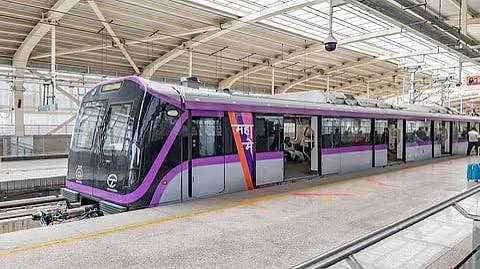
Pune Metro’s discounted student travel programme is gaining traction among school and college commuters, with more than 37,700 student passes distributed so far. The uptake signals growing demand for affordable and cashless public transport among younger passengers across Pune and Pimpri-Chinchwad. As education trips form a significant part of daily urban travel, wider use of the metro could also help reduce dependence on two-wheelers and ease pressure on congested city roads.
The Pune Metro student pass offers discounted fares while allowing students to access the system through a smart card instead of purchasing individual tickets for every journey. For regular commuters travelling to schools, colleges and coaching centres, the combination of lower fares and quicker station access can make public transport more practical. According to the figures provided by the metro administration, student passes account for 37,725 of more than 1.16 lakh Maha Cards distributed across different categories. The wider figure includes over 45,600 National Common Mobility Cards and more than 33,400 general Maha Cards. The numbers point to a gradual shift towards digital fare systems. Smart cards reduce dependence on cash and can shorten the time passengers spend at ticket counters, which becomes particularly relevant during peak morning and afternoon periods when students travel alongside office commuters.
The affordability component is equally important. A separate One Pune Student Pass is available at ₹59 and provides a stated 30% discount on metro journeys. For students making repeated trips each week, even modest savings can reduce the overall cost of commuting. This matters in a city where education-related travel often extends beyond the home-to-campus journey to include coaching classes and other daily activities. From an urban planning perspective, the Pune Metro student pass could have benefits beyond individual savings if adoption expands. Young passengers who develop a regular public transport habit may be less reliant on motorcycles and private vehicles as they become older commuters. That can contribute to lower traffic volumes, reduced fuel consumption and fewer transport-related emissions over time.
However, the effectiveness of such concessions will depend on how easily students can reach stations. Metro affordability alone cannot solve first- and last-mile connectivity gaps. Safe walking routes, cycling access, feeder buses and reliable connections from residential areas remain important, particularly for younger passengers. For Pune and Pimpri-Chinchwad, expanding student ridership therefore presents an opportunity to link fare affordability with broader sustainable mobility goals. The next challenge will be ensuring that the metro network is accessible not only to students living close to stations, but also to those travelling from neighbourhoods where connecting transport remains limited.