Delhi Karol Bagh Renewal Could Reshape City Streets
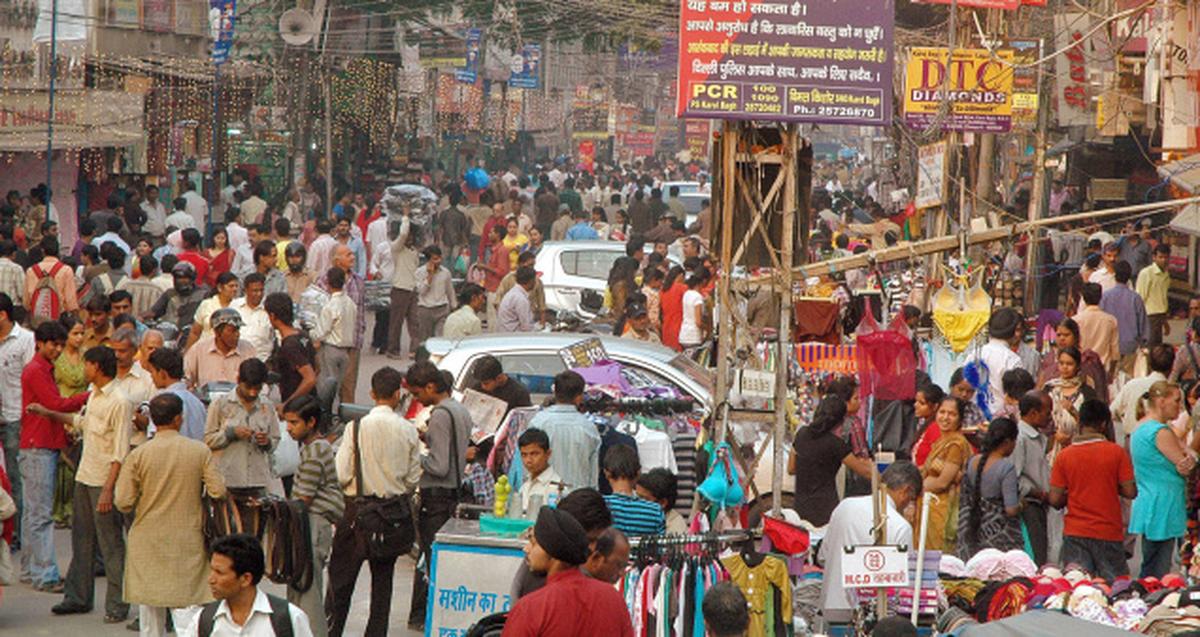
Delhi: Karol Bagh’s long-standing problems of congestion, unsafe pedestrian movement, ageing utilities and cluttered streets are back in focus as Delhi’s planning framework points towards a more integrated approach to the commercial district. The larger challenge is not simply road widening, but upgrading infrastructure without weakening the area’s role as one of central Delhi’s important trading destinations.
Karol Bagh falls within Zone B, identified by the Delhi Development Authority (DDA) as the City Extension area. DDA’s planning material also continues to identify Master Plan 2041 as the city’s long-term planning framework. However, some of the specific mobility measures associated with Karol Bagh pre-date the current planning cycle and were approved through the Unified Traffic and Transportation Infrastructure Planning and Engineering Centre (UTTIPEC) more than a decade ago. That distinction matters. Proposals for the area have included changes to circulation, parking and pedestrian movement around Ajmal Khan Road, including a one-way loop and a table-top crossing at the Pusa Road-Ajmal Khan Road junction. UTTIPEC records show these measures were approved for implementation, but approval should not automatically be read as evidence that every component has been completed or is currently under construction. Traffic remains particularly important because Karol Bagh is both a residential neighbourhood and a major commercial destination. Urban planners note that reducing vehicle conflict at busy junctions, improving walking routes and managing loading activity could deliver greater benefits than relying only on additional road capacity.
The district’s freight activity has also been identified as a contributor to congestion, strengthening the case for better last-mile logistics and organised servicing of markets. The infrastructure agenda extends below the road surface. Underground utility networks can reduce overhead cable clutter while improving streetscape safety and maintenance access. For a dense market district, such upgrades could also make footpaths, crossings and public spaces easier to redesign without repeatedly disturbing existing utility lines. The environmental opportunity is equally significant. More continuous pedestrian routes, cycling infrastructure, shade and better-managed green spaces can help reduce dependence on short vehicle trips while making streets more comfortable during increasingly hot weather. For traders, shoppers, workers and residents, these changes have an economic dimension: a safer and more accessible market can support footfall without requiring ever more road space.
RERA adds a separate real-estate lens. Delhi has an active RERA framework, and registered projects already exist in and around Karol Bagh. Yet RERA compliance for private developments should not be confused with approval of public-road, utility or streetscape works. The next test for Karol Bagh will therefore be implementation: clear timelines, agency coordination, pedestrian access during construction and measurable improvements in mobility, safety and public space. The success of the renewal effort will depend less on individual projects than on whether these systems work together.