Hyderabad Nagaram Residents Demand Action On Water Crisis
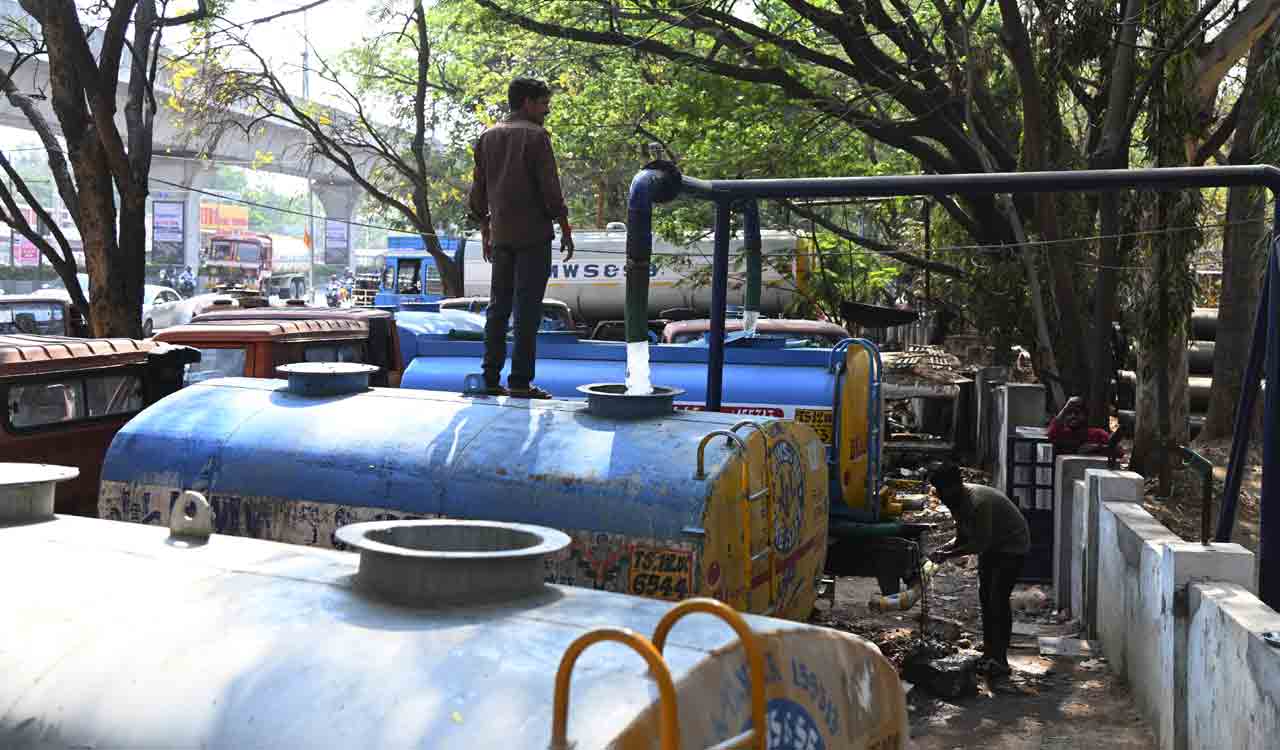
Hyderabad: A prolonged drinking water shortage in Balajinagar Colony of Nagaram has pushed residents to protest, with families saying they have struggled with inadequate or absent supply for nearly four months. The situation highlights a basic service challenge in Hyderabad’s expanding outskirts, where rising residential demand is placing greater pressure on ageing and unevenly distributed water infrastructure.
Residents of the colony, located in Nagaram Division under the Malkajgiri Municipal Corporation, gathered on Thursday to demand immediate action. They said repeated complaints had not resulted in a lasting solution to the supply disruption. According to residents, the shortage has affected routine household activities and forced families to manage their daily needs with limited water. The prolonged nature of the disruption has also increased concerns about the reliability of local supply systems. A local social activist joined the protest and called for intervention by municipal and Hyderabad Metropolitan Water Supply and Sewerage Board officials. Residents specifically sought action to identify and clear a reported pipeline blockage and restore regular supply. The Nagaram water shortage points to a wider infrastructure issue facing rapidly developing residential areas around Hyderabad. As new housing expands into peripheral locations, water networks need to keep pace with population growth, changing consumption patterns and increased demand from new developments.
A prolonged interruption also raises questions about the resilience of neighbourhood-level water systems. A single pipeline obstruction should ideally be detected and addressed through routine monitoring before it develops into a months-long disruption. For households, the economic impact can extend beyond the inconvenience of an unreliable tap. Families may need to purchase water or spend additional time arranging supplies. These costs can weigh more heavily on households with limited incomes. The episode also underlines the importance of transparent communication during service disruptions. Residents need clear information on the cause of a breakdown, the expected repair timeline and the steps being taken to restore supply.
Urban water planning cannot focus only on expanding networks. Maintenance, leak detection, pressure management and rapid response systems are equally important for ensuring reliable service. The residents have warned that they could intensify their protest if the problem continues. A permanent solution will therefore require more than temporary water arrangements. Officials will need to establish the cause of the disruption, restore the pipeline network and monitor supply after repairs. For Hyderabad’s growing peripheral neighbourhoods, the case is a reminder that urban expansion must be matched by dependable basic services. Reliable drinking water remains one of the clearest measures of whether infrastructure is keeping pace with the city’s growth.