


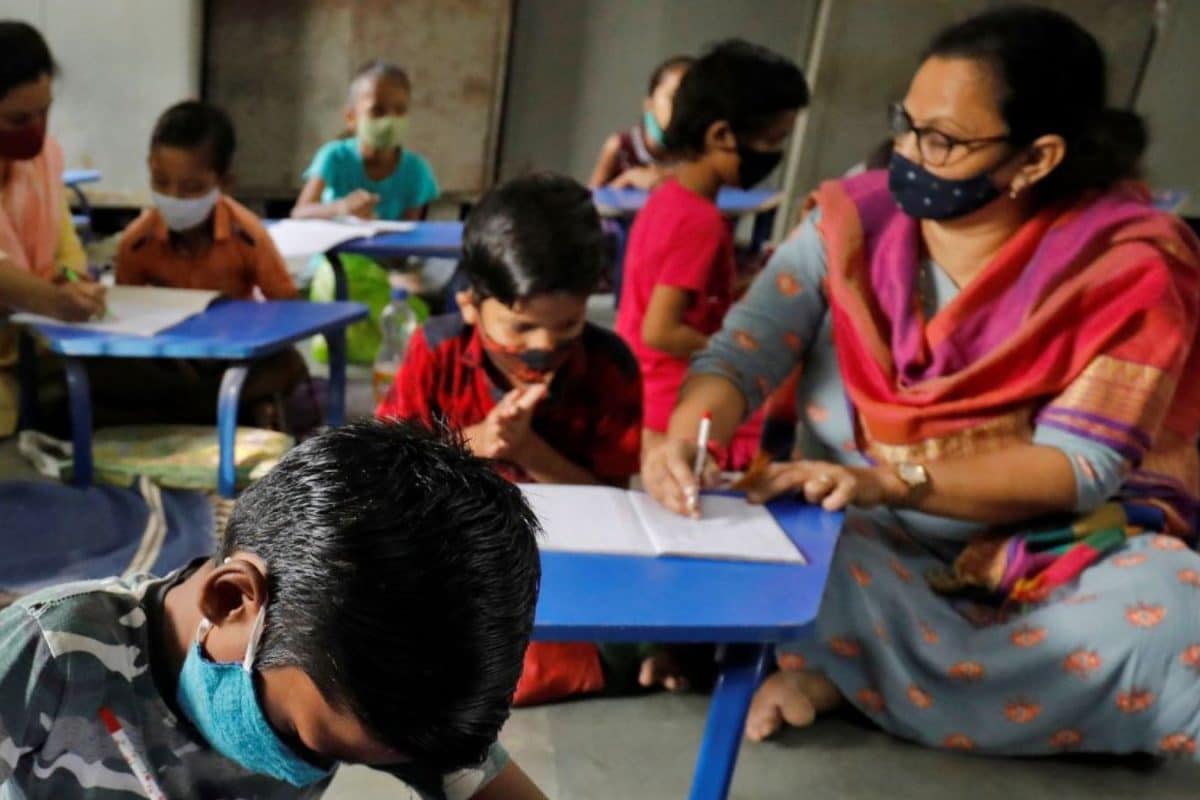
A significant shortage of teaching staff in government schools across Karnataka is drawing renewed attention to widening educational inequalities and the long-term impact on workforce development in rapidly urbanising regions. Recent assessments indicate that nearly one in five sanctioned teaching positions in the state’s public school system remains vacant, raising concerns over learning quality, classroom capacity, and student retention.
The staffing gap affects both rural districts and expanding urban centres such as Bengaluru, where population growth and migration continue to place additional pressure on public education infrastructure.Education specialists warn that prolonged shortages could weaken foundational learning outcomes at a time when cities increasingly depend on skilled and adaptable workforces linked to technology, manufacturing, and service-sector growth.Policy analysts say teacher availability has become a critical component of equitable urban development. As housing costs rise in major cities, lower-income families often rely heavily on government schools for access to education and social mobility. Inadequate staffing can therefore deepen disparities between public and private education systems, particularly in fast-growing peri-urban areas where civic infrastructure struggles to keep pace with population expansion.Officials familiar with the education sector acknowledge that recruitment delays, retirement backlogs, uneven teacher distribution, and administrative bottlenecks have contributed to the current shortfall.Certain subject areas, including science, mathematics, and language instruction, are reportedly more affected than others, creating learning imbalances across grade levels.
Urban economists note that the issue extends beyond classrooms and directly influences broader economic resilience. Public education systems play a central role in preparing future labour markets, especially in states such as Karnataka where knowledge-based industries contribute significantly to economic output.Weak school capacity today could translate into future skill shortages and reduced social mobility.Experts also argue that teacher shortages disproportionately affect girls, first-generation learners, and economically vulnerable households, many of whom depend on consistent classroom engagement and institutional support. In overcrowded classrooms, teachers often struggle to provide individual attention, increasing the risk of dropouts and declining academic performance.The challenge comes amid wider discussions on education reform, digital learning access, and the quality of civic services in Indian cities. While technology-assisted learning tools have expanded in recent years, education planners caution that digital platforms cannot fully compensate for the absence of trained educators, particularly at the foundational and secondary levels.Infrastructure specialists emphasise that sustainable urban growth requires parallel investment in social infrastructure such as schools, healthcare systems, and public transport alongside commercial and residential expansion. Without adequate educational capacity, cities risk deepening inequality despite economic growth indicators.State authorities are expected to review recruitment mechanisms and staffing allocations in response to the findings.
However, education advocates believe long-term improvement will depend on sustained public investment, better teacher retention strategies, and more balanced deployment policies across districts.As Karnataka continues positioning itself as a leading innovation and technology economy, the condition of its public education system may increasingly shape not only social outcomes but also the future competitiveness of its urban centres.
Also Read:Bengaluru Mass Plantation Drive Targets Urban Climate Goals
