


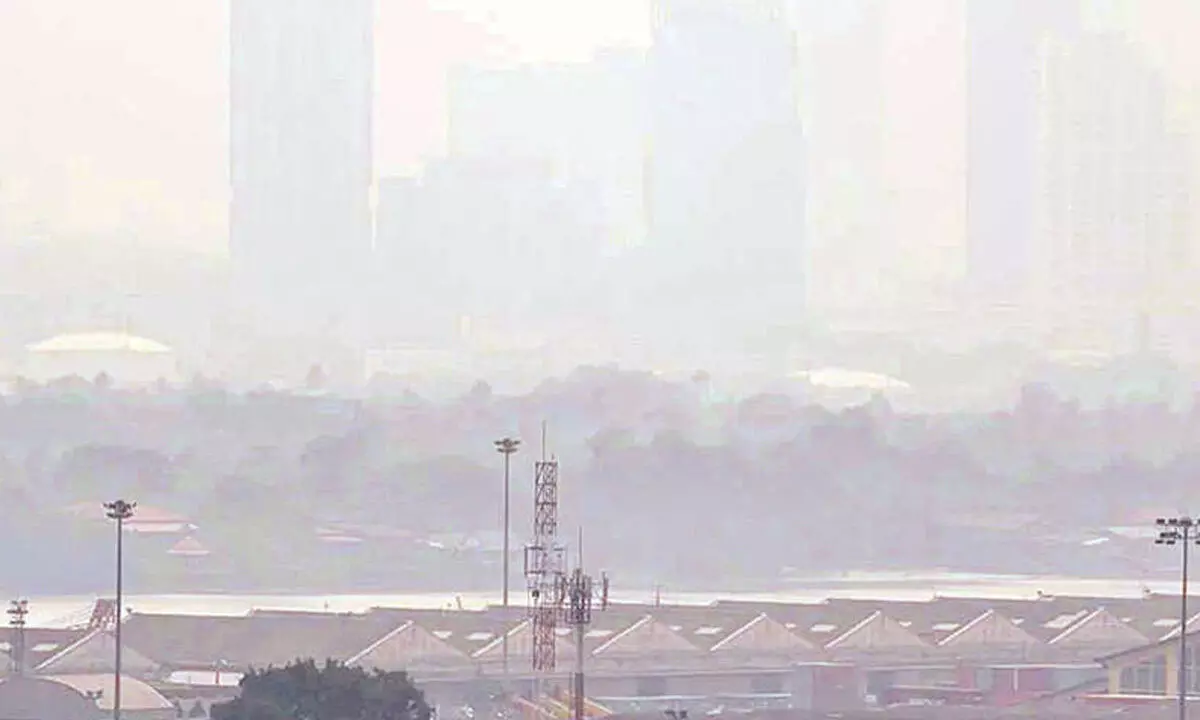
Air quality levels in Bengaluru are once again drawing attention as pollution readings fluctuate across parts of the metropolitan region, highlighting the growing environmental pressures accompanying rapid urbanisation and infrastructure expansion.Environmental monitoring data reviewed this week indicates that Bengaluru’s Air Quality Index, or AQI, has remained within moderate ranges across several locations, though experts warn that periodic spikes linked to traffic congestion, construction dust, and weather conditions continue to affect urban air quality.
The Bengaluru AQI trend reflects a changing environmental reality for a city historically viewed as climatically more liveable than many other Indian metros. Urban ecologists say accelerated construction activity, rising private vehicle ownership, shrinking green cover, and increased surface dust are gradually altering the city’s atmospheric conditions.Transport emissions remain among the largest contributors to deteriorating air quality in Bengaluru. Mobility analysts note that long commute times and recurring traffic bottlenecks across technology and commercial corridors have intensified vehicular pollution, particularly during peak travel periods.Construction-led urban expansion has also emerged as a major environmental concern.Large infrastructure projects, road excavation, real estate development, and peripheral growth corridors frequently generate particulate matter that affects neighbourhood-level air conditions. Environmental researchers argue that stricter dust management systems and sustainable construction practices are increasingly necessary as Bengaluru continues to grow outward.The Bengaluru AQI discussion is closely tied to broader questions of urban planning and climate resilience. Experts emphasise that air pollution is no longer solely an industrial issue but a multidimensional urban governance challenge linked to mobility systems, land-use patterns, waste management, and ecological degradation.
Public health specialists warn that even moderate pollution exposure over long periods can contribute to respiratory illnesses, cardiovascular stress, and reduced quality of life, particularly among children, elderly residents, and outdoor workers. Bengaluru’s expanding population and dense commercial activity make long-term air quality management an increasingly urgent civic priority.Urban sustainability planners argue that improving Bengaluru’s environmental health will require coordinated interventions rather than isolated enforcement measures.Expanding public transport networks, strengthening walkability, increasing tree cover, preserving urban wetlands, and accelerating electric mobility adoption are among the strategies frequently proposed to reduce pollution exposure.The issue also carries economic implications. Global investors and businesses evaluating urban centres increasingly consider environmental quality, mobility efficiency, and liveability indicators when assessing long-term competitiveness. Analysts say cities unable to manage pollution and infrastructure stress may gradually face productivity and public health costs that affect economic resilience.
For Bengaluru residents, fluctuating AQI levels serve as another reminder of the environmental pressures reshaping India’s leading technology hub. As the city continues expanding through infrastructure and real estate growth, balancing economic dynamism with cleaner air and healthier public spaces is expected to become central to future urban policy decisions.
Also Read:Bengaluru Water Network Faces Governance Challenge
