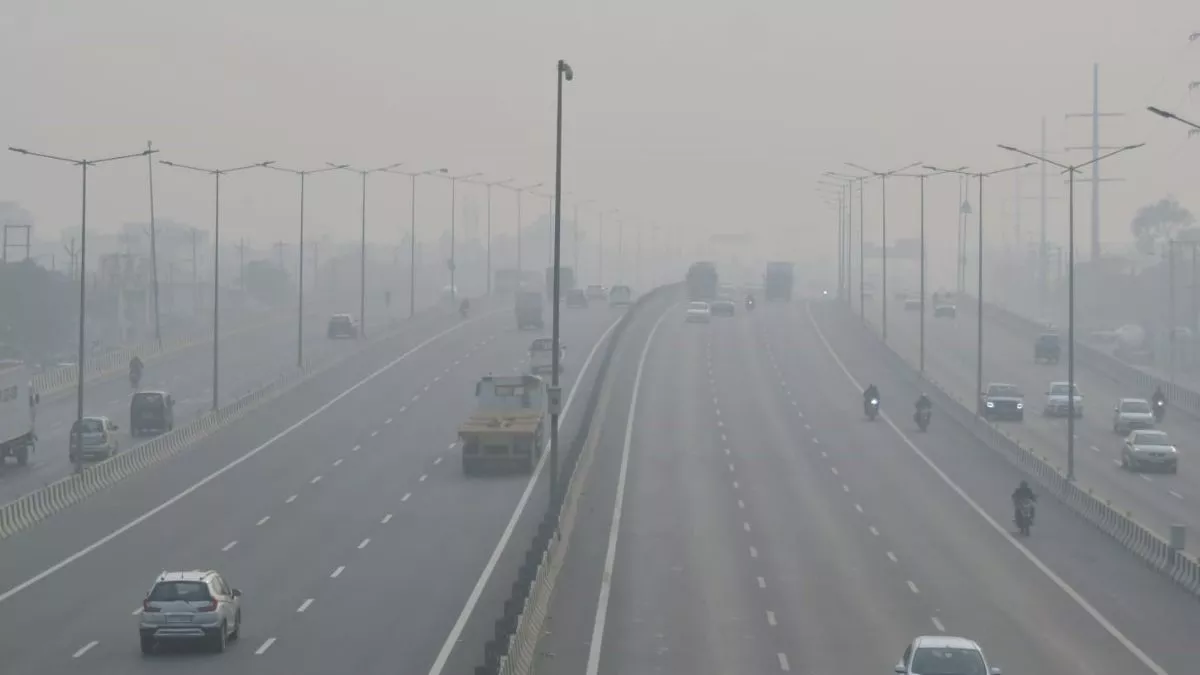
A rapid rise in daytime temperatures has returned heat stress conditions to Ghaziabad after nearly a week of rainfall, thunderstorms and hail temporarily cooled parts of the National Capital Region. Weather officials estimate that temperatures in the city could move beyond 37 degrees Celsius on Sunday, signalling the return of intense summer conditions across densely built urban corridors.
The latest weather shift comes after repeated western disturbance activity during the opening days of May brought intermittent rain, gusty winds and isolated hailstorms across several NCR districts. Those events had reduced surface temperatures and offered short-term relief from early summer heat, especially in residential neighbourhoods and high-density commercial zones where heat retention is typically severe. According to meteorological assessments, the current rise in temperature is linked to clearer skies, increasing solar exposure and weakening moisture activity over northern India. Wind speeds remain relatively low, allowing heat to accumulate more rapidly during daytime hours. Urban planners say such conditions are becoming increasingly common in fast-growing NCR cities where expanding concrete surfaces and declining green cover intensify localised warming.
The return of hotter weather is also reviving concerns around the Urban Heat Island effect a phenomenon where built-up regions experience higher temperatures than surrounding rural areas due to asphalt roads, glass-fronted buildings and limited tree cover. In cities like Ghaziabad, where rapid real estate expansion has transformed large peri-urban stretches into residential clusters, the impact is often amplified during May and June. Data trends from the India Meteorological Department indicate that the city experienced multiple rain events between late April and early May, preventing temperatures from climbing sharply during the first phase of summer. However, once cloud cover reduced, maximum temperatures began climbing steadily again, mirroring patterns seen across Delhi-NCR in recent years. Public health specialists warn that fluctuating weather patterns can place additional stress on vulnerable populations, particularly outdoor workers, elderly residents and children.
Rising night-time humidity levels may further reduce thermal comfort in densely populated localities where ventilation and open public spaces remain inadequate. Urban climate experts increasingly argue that NCR municipalities need stronger heat resilience planning beyond emergency advisories. Measures such as shaded pedestrian corridors, water-sensitive landscaping, reflective roofing materials and preservation of urban wetlands are now viewed as essential infrastructure rather than environmental add-ons. While forecasts suggest relatively stable weather conditions over the next two days, meteorologists are continuing to monitor regional atmospheric changes that could trigger another round of pre-monsoon instability later this month. For residents, the latest Ghaziabad weather shift serves as another reminder that climate volatility is becoming an enduring feature of urban life across northern India.