


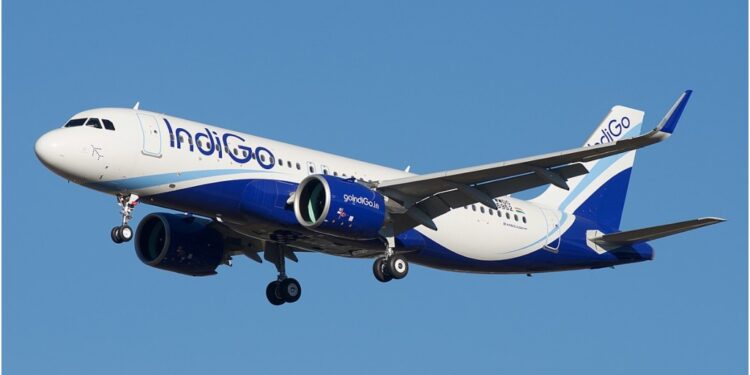
A commercial flight travelling from Kolkata to Patna was diverted to Lucknow after adverse weather conditions disrupted landing operations in Bihar’s capital, underscoring growing concerns around climate-linked disruptions to urban transport infrastructure in eastern India. The incident affected passenger schedules and highlighted the increasing vulnerability of regional aviation networks to unpredictable weather events during peak travel periods.
According to aviation officials, deteriorating visibility and unstable atmospheric conditions over Patna forced authorities to redirect the aircraft as a precautionary measure. The diversion added several hours to passenger travel time and disrupted onward urban connectivity for commuters dependent on tightly coordinated transport schedules.The episode comes amid a wider pattern of operational disruptions linked to extreme weather across Indian cities. Urban transport experts note that aviation systems serving rapidly expanding metropolitan regions are under mounting pressure from changing climate patterns, particularly in cities with ageing infrastructure and limited weather resilience mechanisms.Patna airport, located within a densely populated urban corridor, has long faced operational constraints due to its compact layout and restricted expansion possibilities. Aviation planners argue that weather-related diversions are becoming more common during periods of intense rainfall, thunderstorms, and low visibility, especially in northern and eastern India where seasonal weather fluctuations are increasingly erratic.
The Kolkata Patna flight diversion also reflects broader mobility challenges faced by secondary cities attempting to balance rising passenger demand with infrastructure limitations. Over the last decade, air travel in tier-two urban centres has expanded rapidly due to economic growth, migration, and business connectivity. However, investments in resilient aviation systems, integrated transport planning, and advanced forecasting technology have not always kept pace.Urban mobility analysts suggest that disruptions of this nature create ripple effects beyond airports. Delayed arrivals can affect road transport systems, ride-hailing demand, intercity bus schedules, and local economic activity tied to business travel. In cities where public transport integration remains weak, unexpected aviation delays often place additional strain on commuters and local infrastructure.From a sustainability perspective, diversions also carry environmental costs. Extended holding patterns, rerouting, and additional ground operations contribute to higher fuel consumption and aviation emissions. Experts believe future airport planning must incorporate climate adaptation measures, including improved forecasting systems, resilient runway infrastructure, and stronger multimodal transport integration to minimise disruption during extreme weather events.Industry observers further point out that eastern India’s urban growth corridor requires more distributed aviation capacity to avoid overdependence on a limited number of congested airports
Enhancing regional air infrastructure alongside rail modernisation could improve travel reliability while supporting balanced economic development across emerging cities.For passengers, the diversion was an inconvenience. For policymakers and urban planners, however, it serves as another reminder that climate resilience is no longer separate from transport planning. As Indian cities continue to urbanise rapidly, ensuring dependable and low-disruption mobility systems will become central to economic productivity, public safety, and sustainable urban growth.
Read More : Bengaluru heatwave impacts livelihoods of small vendors
Kolkata Weather Disruption Hits Patna Air Connectivity
