


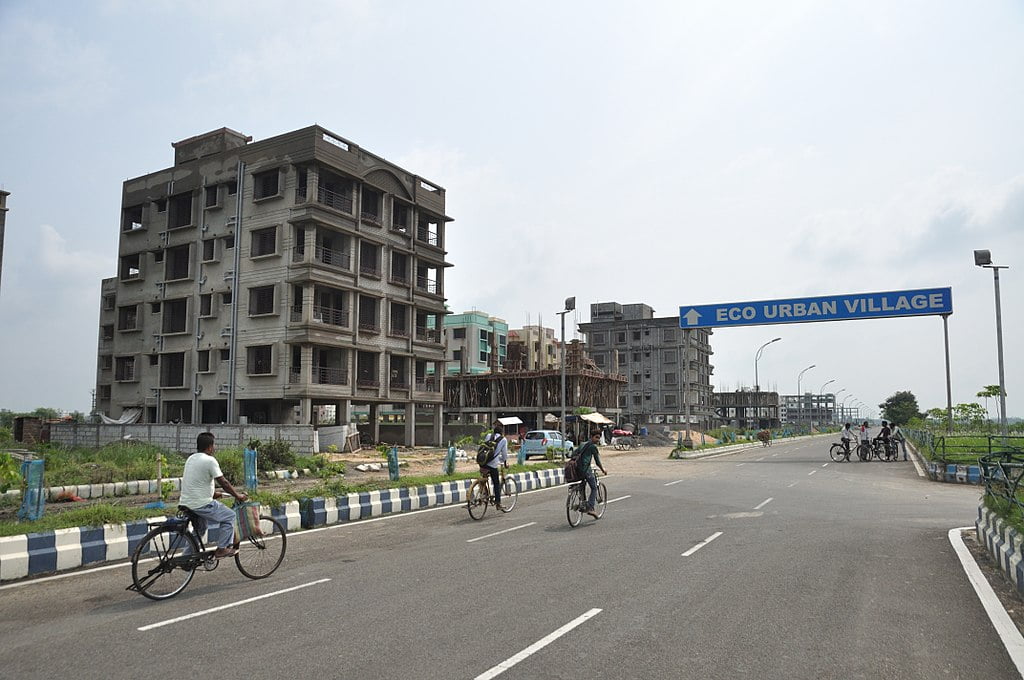
Kolkata is witnessing renewed debate over its economic direction as policymakers, business groups and urban planners call for faster industrial revival, infrastructure upgrades and investment reforms to restore eastern India’s historic commercial hub to sustained growth. The discussion comes at a time when the city faces mounting pressure to create jobs, modernise logistics systems and improve urban competitiveness amid rapid expansion in other Indian metropolitan regions.
The renewed focus on a Kolkata economic reset reflects broader concerns about declining industrial momentum and slower private investment across West Bengal over the past two decades. Economists say the state’s future growth now depends heavily on how effectively it can modernise infrastructure, simplify business approvals and strengthen links between manufacturing, logistics and urban development.Industry observers note that Kolkata still retains strategic advantages, including a major port network, rail connectivity, a large skilled workforce and proximity to eastern and northeastern markets. However, ageing infrastructure, land constraints and inconsistent industrial expansion have reduced the city’s ability to attract large-scale investment compared to Bengaluru, Hyderabad or Pune.Urban planners believe the conversation around a Kolkata economic reset is no longer limited to industrial policy alone. Instead, it increasingly intersects with mobility, housing affordability, climate resilience and employment access. Experts argue that future investment corridors must integrate public transport, flood-resilient infrastructure and mixed-use urban planning rather than relying solely on isolated industrial zones.
Several policy analysts suggest that logistics parks, green manufacturing clusters and digital infrastructure could become major drivers of Kolkata’s next growth phase if supported by long-term governance stability and transparent land-use planning. Improved freight connectivity between the port region and emerging industrial belts is also viewed as critical to reducing transportation costs and improving supply chain efficiency.The debate has gained importance as West Bengal’s urban population continues to rise, creating pressure on housing, transport and public services. Economists warn that without stronger employment generation, many young residents may continue migrating to southern and western Indian cities in search of opportunities. This has intensified calls for investment in technology parks, clean energy industries and modern service-sector ecosystems within the Kolkata metropolitan region.Environmental experts also caution that industrial expansion must avoid repeating older patterns of pollution-intensive growth. Future infrastructure planning, they argue, should prioritise low-carbon transport systems, renewable energy integration and climate-adaptive urban design, particularly as Kolkata remains vulnerable to flooding and extreme weather events linked to climate change.Business associations have meanwhile pushed for faster project clearances, improved urban governance and stronger collaboration between state agencies and private investors. Analysts say the city’s recovery potential remains significant if reforms focus equally on economic productivity and liveability.
For residents, the outcome of this transition could shape employment access, commuting efficiency and housing affordability over the next decade. Whether Kolkata can translate renewed economic ambition into inclusive urban growth may ultimately determine its position in India’s evolving economic landscape.
Read More : New Gurugram Growth Signals Real Estate Transformation
Kolkata Seeks New Economic Growth Direction
