


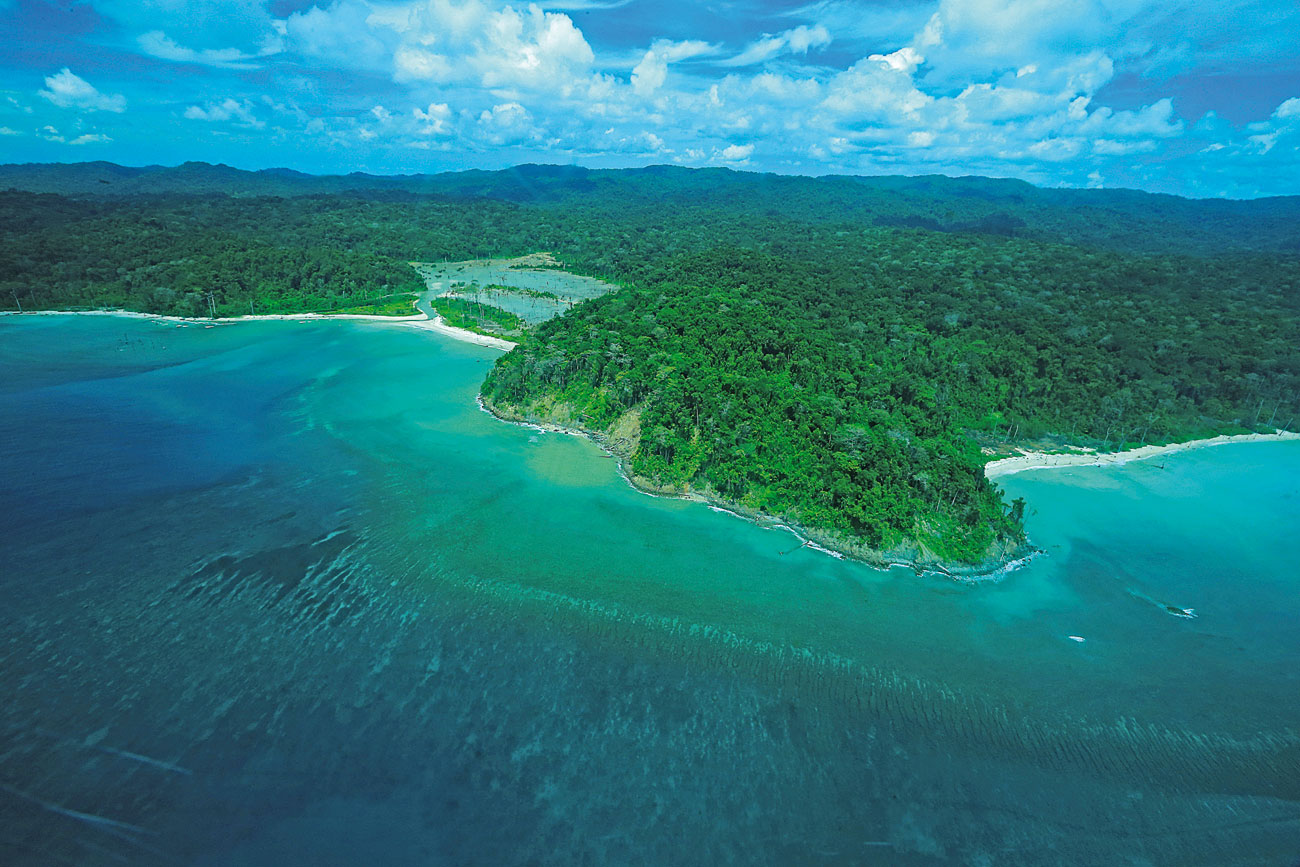
A fresh legal challenge to the proposed Great Nicobar infrastructure programme has intensified scrutiny over one of India’s largest island development plans, bringing renewed focus to environmental vulnerability, indigenous rights, and long-term climate resilience in ecologically sensitive regions.
The Calcutta High Court has admitted a public interest litigation questioning the potential social and environmental impact of the Great Nicobar Project, a multi-sector development initiative planned for the Andaman and Nicobar archipelago. The petition raises concerns about the effect of large-scale construction on protected tribal communities, forest ecosystems, and coastal biodiversity in the strategically important island region.The Great Nicobar Project includes plans for a transshipment port, airport infrastructure, power facilities, and urban expansion aimed at improving maritime connectivity and economic activity in the Bay of Bengal. Policymakers view the initiative as a key component of India’s regional logistics ambitions and a gateway for international trade routes. However, environmental planners and legal experts argue that projects of this scale require deeper evaluation of long-term ecological and human costs.The litigation has brought particular attention to the vulnerability of indigenous communities living in protected forest areas. Experts working on tribal rights say rapid infrastructure expansion in isolated island ecosystems can disrupt traditional livelihoods, alter ecological balance, and increase exposure to external economic pressures. They also note that fragile island geographies are especially susceptible to climate-related risks including sea-level rise, coastal erosion, and extreme weather events.
Urban development specialists believe the case reflects a broader national challenge around balancing strategic infrastructure growth with environmental safeguards. Large projects in ecologically sensitive zones increasingly face questions about cumulative impact assessments, public consultation processes, and disaster preparedness frameworks. In island territories, these concerns become more significant because natural systems often recover slowly from intensive land-use change.Environmental researchers have also pointed to the importance of preserving dense tropical forests and marine ecosystems that act as carbon sinks and biodiversity reserves. The Great Nicobar Project has drawn attention from conservation groups who warn that unchecked expansion could place additional pressure on wildlife habitats and coastal resources already under stress from climate variability.At the same time, infrastructure economists note that improved connectivity in remote island regions can generate employment, tourism activity, and logistical advantages for national trade networks. Yet they caution that development models dependent primarily on large-scale construction may widen social inequalities if rehabilitation, local participation, and ecological safeguards are not integrated from the planning stage itself.
Legal observers say the court proceedings could influence how future infrastructure approvals are evaluated in environmentally sensitive regions across India. The case is expected to examine whether existing clearances sufficiently accounted for ecological risk, indigenous welfare, and sustainable land-use planning.As the Great Nicobar Project moves through legal and regulatory review, the outcome may shape not only the future of the island but also India’s evolving approach to climate-conscious infrastructure development in fragile coastal and island ecosystems.
Read More : Bengaluru residents turn to micro communities for safety
